The accelerating shift towards clean energy solutions has propelled a dramatic surge in demand for advanced battery technologies. As traditional lithium-ion systems encounter constraints related to resource availability and performance ceilings, researchers and manufacturers are exploring a diverse array of alternative chemistries. Simultaneously, the global hunt for critical materials intensifies, forcing stakeholders to rethink supply chains, environmental footprints, and recycling strategies. This article examines the interplay between emerging battery innovations and the evolving landscape of rare earths and strategic metals.
Emerging Battery Chemistries Driving Metal Demand
In the quest for higher energy density, faster charging, enhanced safety, and cost-effectiveness, several novel battery chemistries have gained traction:
Sodium-Ion and Potassium-Ion Systems
- These cells replace lithium with more abundant alkali metals, reducing raw material costs and geopolitical risks.
- Sodium-ion batteries, while offering lower energy density than lithium counterparts, excel in grid-scale storage applications due to improved thermal stability.
- Potassium-ion prototypes demonstrate promising-rate capabilities, though research continues to optimize electrode formulations.
Solid-State Batteries
- By substituting liquid electrolytes with ceramic or polymer conductors, solid-state systems target significant safety and performance gains.
- Key materials include sulfide and oxide-based electrolytes, demanding high-purity nickel, cobalt, and emerging metal halides.
- Automotive OEMs anticipate volume production within the next decade, fueling a new wave of metal procurement strategies.
Magnesium and Calcium Ion Technologies
- Multivalent ions like Mg2+ and Ca2+ enable higher theoretical capacities compared to monovalent systems, albeit with slower diffusion kinetics.
- Magnesium batteries promise improved resource security due to widespread availability and lower toxicity.
- Advancements in electrolyte engineering aim to mitigate dendrite formation and boost cycle life.
Supply Chain Challenges and Resource Security
The diversification of battery chemistries heralds complex implications for mining, refining, and logistics. While novel systems may reduce dependence on certain metals, they introduce demand spikes for others.
Concentration Risk in Metal Production
- Cobalt remains heavily sourced from a few jurisdictions, raising ethical and geopolitical concerns.
- New chemistries often substitute cobalt with vanadium or manganese, shifting pressure onto producers in Spain, China, and South Africa.
- Transparent supply chain mapping becomes essential to avoid human rights violations and ensure material traceability.
Processing and Refining Bottlenecks
- Primary extraction nodes for nickel are adapting to produce higher-purity sulfates suited for next-generation cathodes.
- Electrolyte-grade lithium hydroxide demand is projected to outpace industry capacities, prompting investments in brine and hard rock expansion projects.
- Strategic stockpiling and downstream partnerships help cushion against price volatility and potential export restrictions.
Environmental Impacts and Recycling Innovations
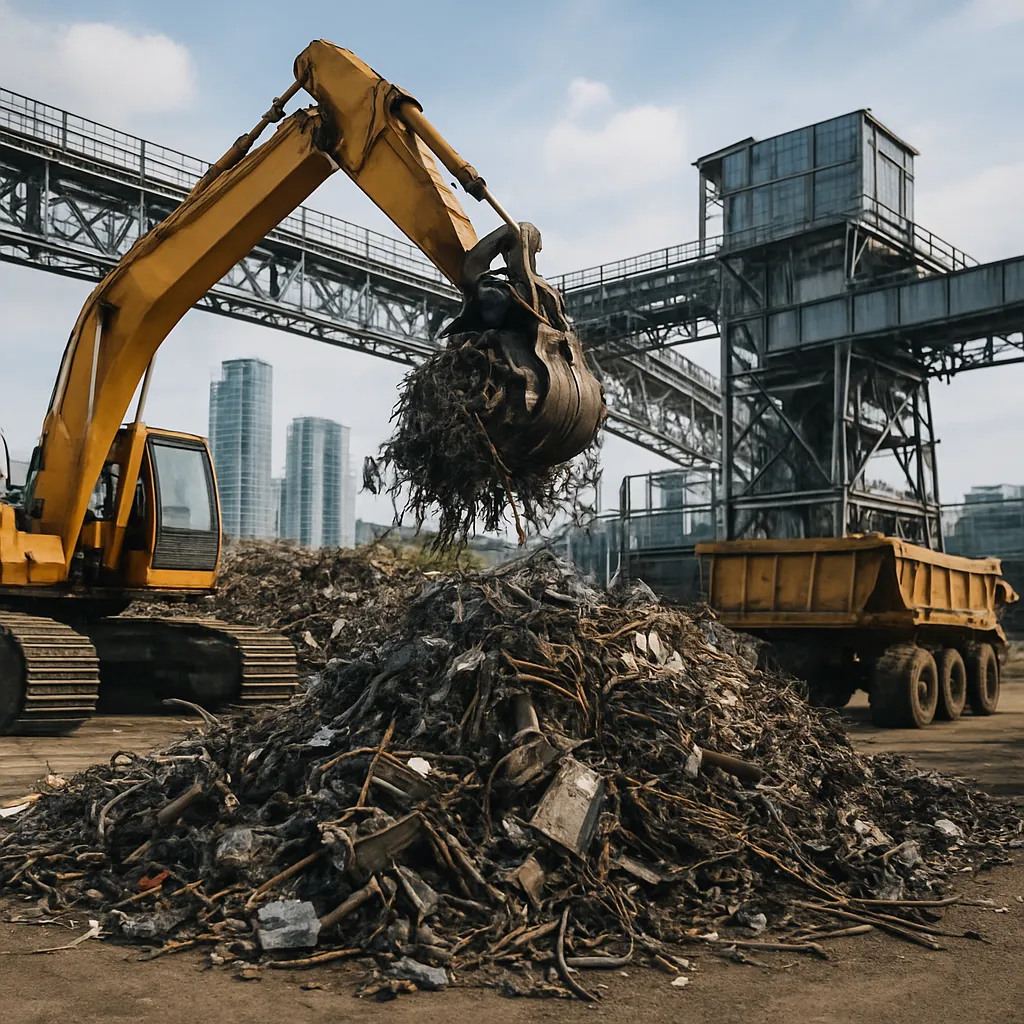
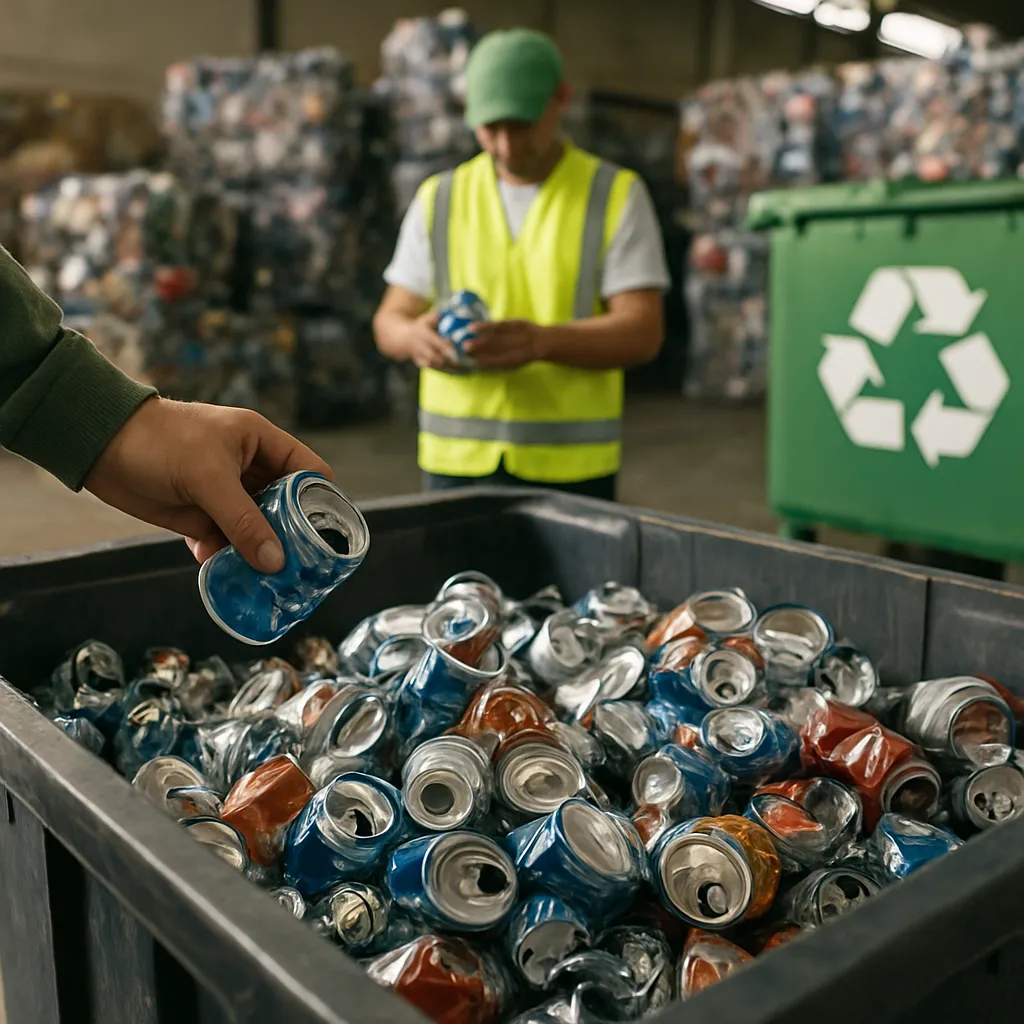
As the battery ecosystem scales, end-of-life management emerges as a crucial factor in both sustainability metrics and resource circularity. Optimized recycling processes can reclaim high-value metals, easing pressure on virgin supply.
Advanced Material Recovery Techniques
- Hydrometallurgical methods leverage selective leaching to extract lithium, cobalt, and nickel with high purity.
- Pyrometallurgical smelting, combined with acid recycling loops, enables efficient reclamation of metal alloys from solid-state cell components.
- Direct recycling approaches aim to refurbish cathode powders, preserving crystal structures and reducing energy intensity.
Regulatory Frameworks and Circular Economy Models
- Mandatory collection targets in the EU and North America are driving infrastructure build-out for battery take-back programs.
- Extended producer responsibility (EPR) schemes incentivize OEMs to incorporate recycled content in new cells.
- Design for disassembly principles ensure that future batteries are easier to dismantle, sorting metal streams more efficiently.
Technological Collaboration and Investment Trends
Public-private partnerships and cross-industry consortia play a pivotal role in scaling novel battery technologies. Collaborative platforms facilitate knowledge exchange, accelerate commercialization, and align research with real-world market needs.
Open Innovation and Research Consortia
- Consortium models in Europe unite mining firms, universities, and automakers to drive shared R&D on low-cobalt chemistries.
- Government grants in Asia support pilot plants for aqueous and solid-state systems, fostering domestic supply chain development.
- Standardized testing protocols under international bodies expedite material qualification and safety certification.
Private Equity and Venture Capital Flows
- Billions of dollars flow into startups focused on alternative anode materials, such as silicon and graphene composites.
- Strategic investments by energy majors aim to secure off-take agreements for critical inputs like vanadium and niobium.
- Project finance mechanisms, including offtake-backed loans, reduce capital barriers for mega-scale battery cell factories.
Future Outlook: Balancing Performance, Cost, and Sustainability
The interplay between cutting-edge battery designs and the global metals market will define the pace and equity of the clean energy transition. Stakeholders must navigate complex trade-offs to achieve a resilient and low-carbon future.
- Ongoing research into bio-inspired and organic flow batteries may unlock scalable solutions with minimal reliance on conflict minerals.
- Dynamic pricing models and real-time monitoring of metal flows will optimize procurement strategies and mitigate supply shocks.
- Cross-sectoral recycling alliances could establish vertical integration between battery manufacturers, recycling facilities, and raw material suppliers.
Ultimately, aligning technological breakthroughs with responsible mining, transparent supply chains, and robust recycling frameworks will be key to unlocking the full potential of next-generation batteries. By diversifying chemistries and metals, the industry can forge a path toward energy storage solutions that are not only high-performing and cost-effective but also socially equitable and environmentally sustainable.