The transition toward decarbonization is redefining the strategic value of global rare metals in unprecedented ways. As governments, industries and investors pivot to net-zero targets, the demand for critical minerals such as lithium, cobalt and nickel is skyrocketing. This article explores the evolving landscape of rare metals, the intricacies of their supply chains, the environmental imperatives driving change, and the economic pathways mining economies can adopt to thrive in a low-carbon world.
Global Landscape of Rare Metals
Rare metals are the backbone of modern green technologies. From electric vehicles (EVs) and rechargeable batteries to wind turbines and solar panels, these materials fuel the energy transition. Understanding their distribution and geopolitical implications is essential for any stakeholder aiming to navigate the new sustainability paradigm.
Geographical Concentration
- Latin America leads in lithium reserves, with the “Lithium Triangle” spanning Bolivia, Argentina and Chile.
- Africa, notably the Democratic Republic of Congo, supplies over 60% of global cobalt.
- Australia and China dominate nickel production, essential for high-energy-density batteries.
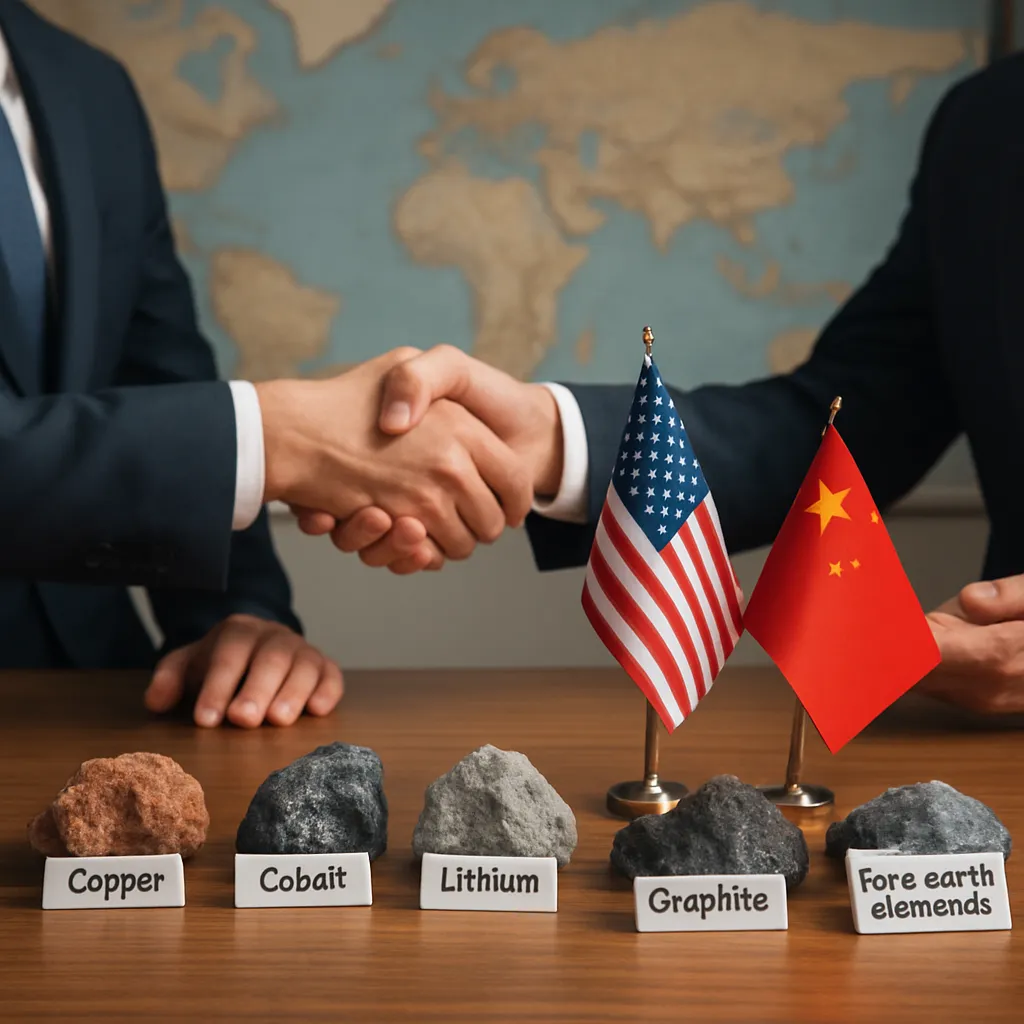
- Rare earth elements (REEs) are primarily mined in China, which controls more than 80% of the market.
Shifting Demand Patterns
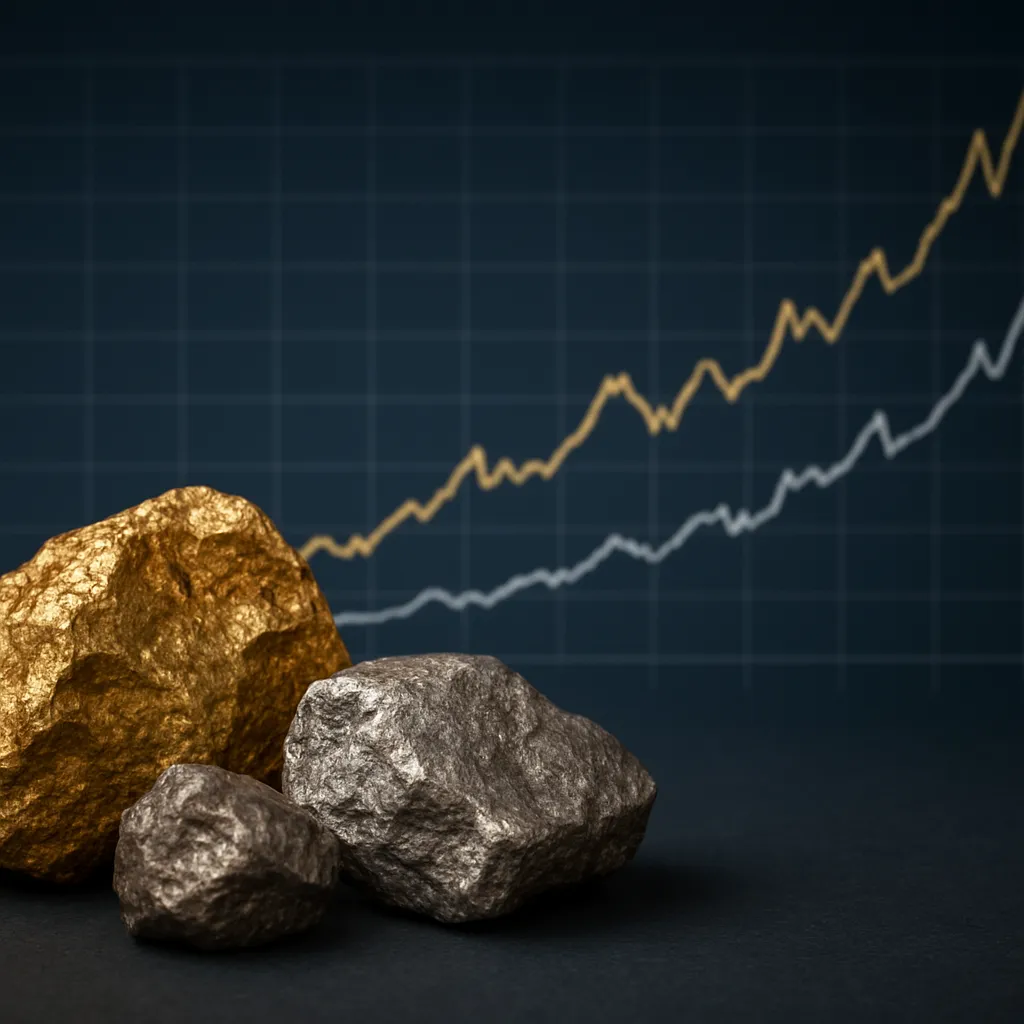
As nations aim to reduce carbon emissions, the demand for EV batteries and renewable energy installations is rapidly climbing. Forecasts indicate that by 2030, global lithium demand could exceed 2.5 million metric tons, a staggering increase from current levels. Similarly, cobalt and nickel markets are predicted to double or triple in size, driven by scaling manufacturing of electric drivetrains. Such trends highlight the strategic importance of securing stable supplies.
Supply Chain Dynamics and Challenges
The rare metals supply chain is a multi-tiered network involving exploration, extraction, processing, refining and recycling. Each stage faces its own set of technical, logistical and political obstacles.
Exploration and Mining
- High capital expenditure to develop new mines, often in remote or politically unstable regions.
- Stringent environmental regulations can delay project approvals and increase costs.
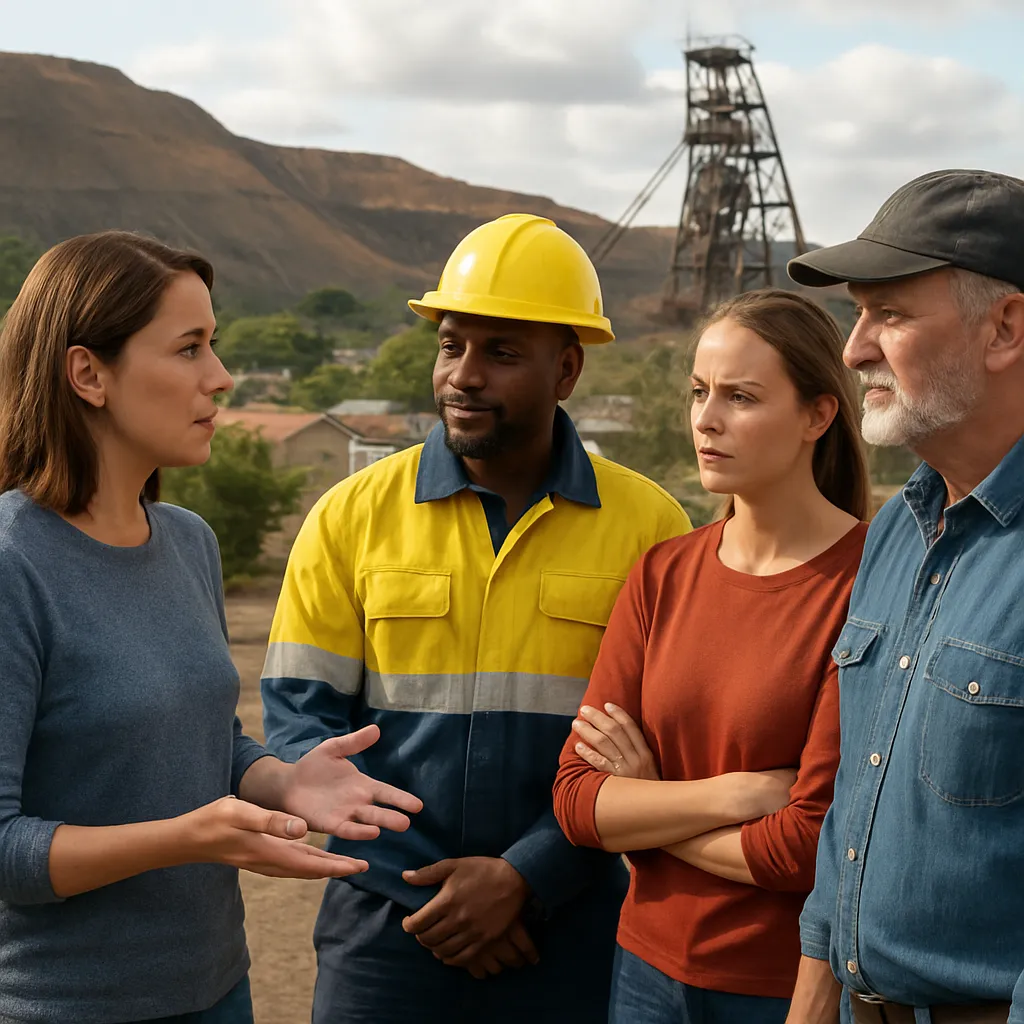
- Community engagement and social license to operate are critical to avoid conflicts and ensure long-term viability.
Processing and Refining Bottlenecks
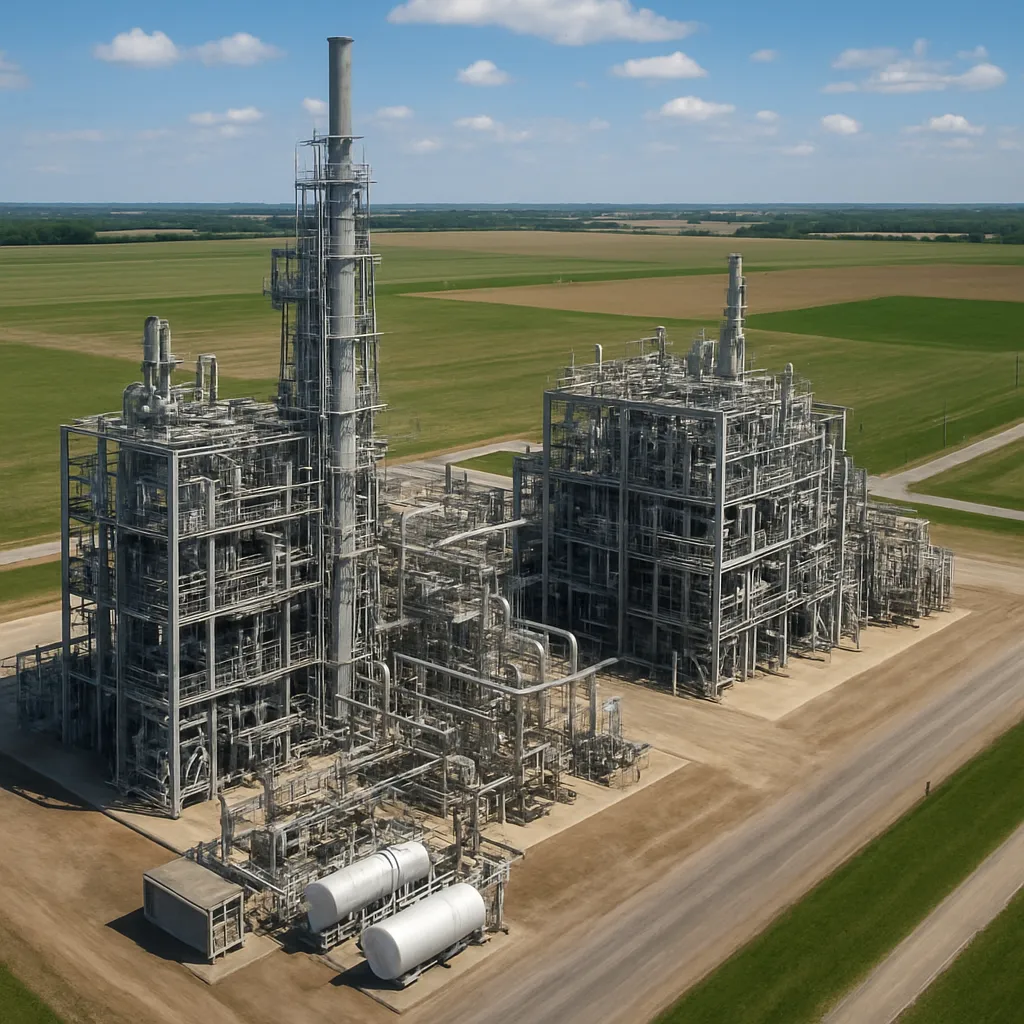
Many rare metals require complex chemical treatments and high-energy processes. The global refining capacity is concentrated in a handful of countries, creating vulnerabilities:
- Dependence on single-source refineries can lead to supply disruptions when operations halt.
- Processing plants often have high carbon footprints, counteracting the benefits of eventual clean-energy applications.
- Investment in new, cleaner refining technologies is urgently needed to align with decarbonization goals.
Recycling and Circularity
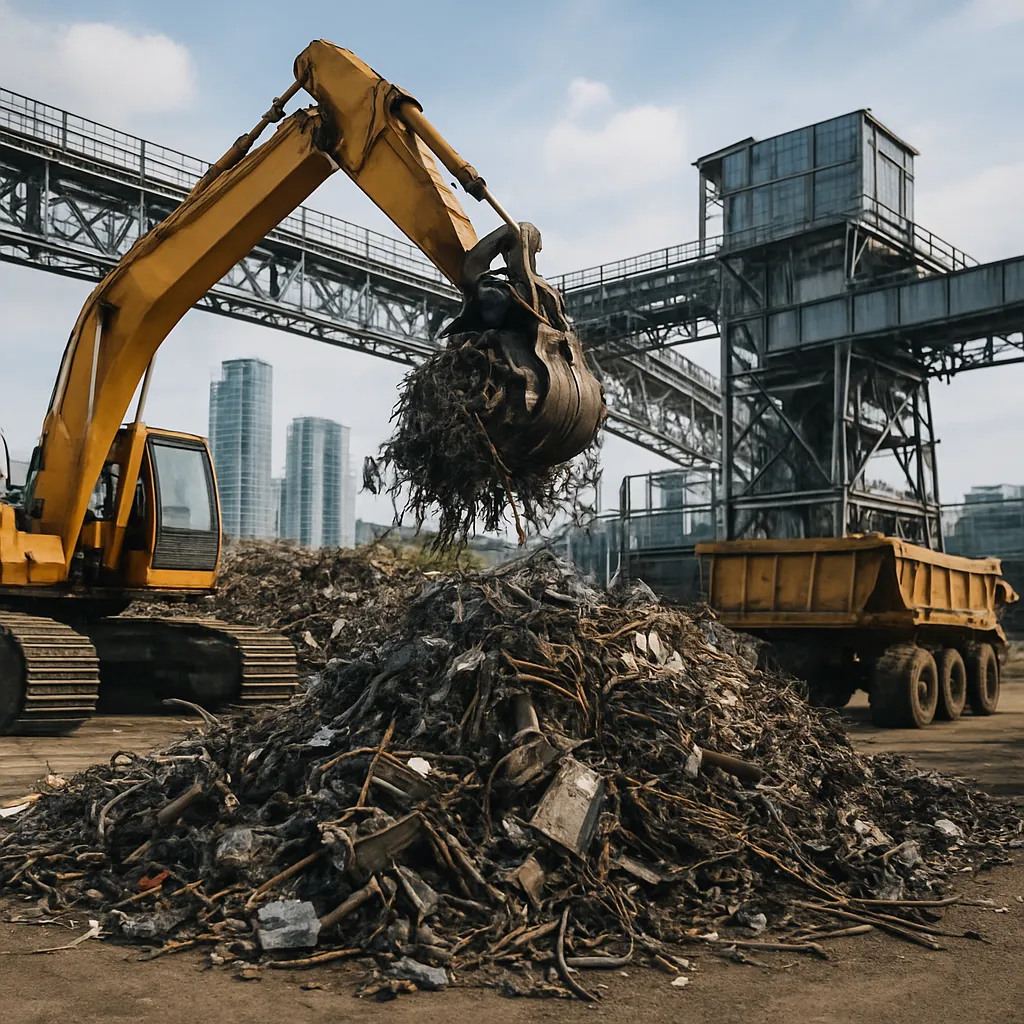
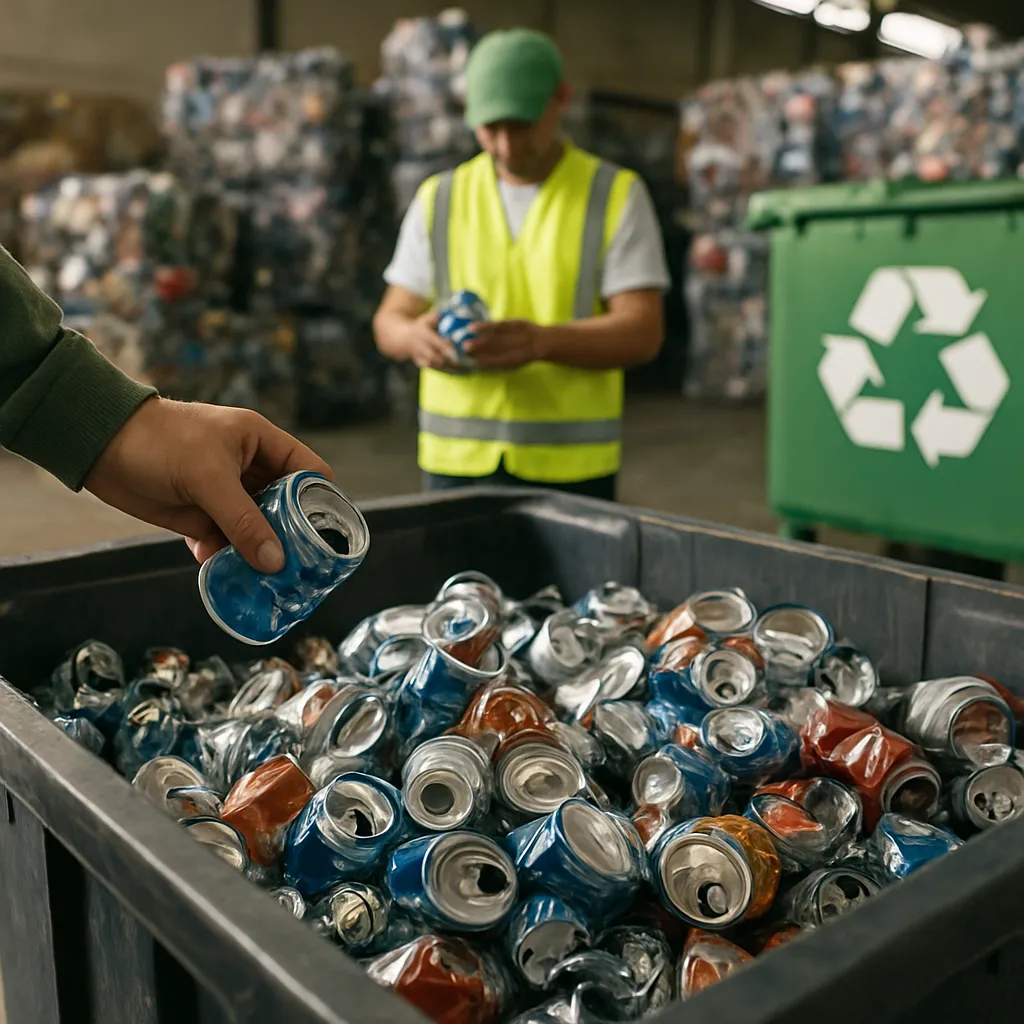
Recycling end-of-life batteries and electronics offers a promising route to reduce pressure on primary mining. However, challenges include:
- Collection and sorting inefficiencies, leading to low recovery rates.
- Complex chemistries that require advanced technologies to separate and purify individual metals.
- Regulatory and economic barriers that limit the scale of recycling operations.
Environmental Imperatives and Decarbonization
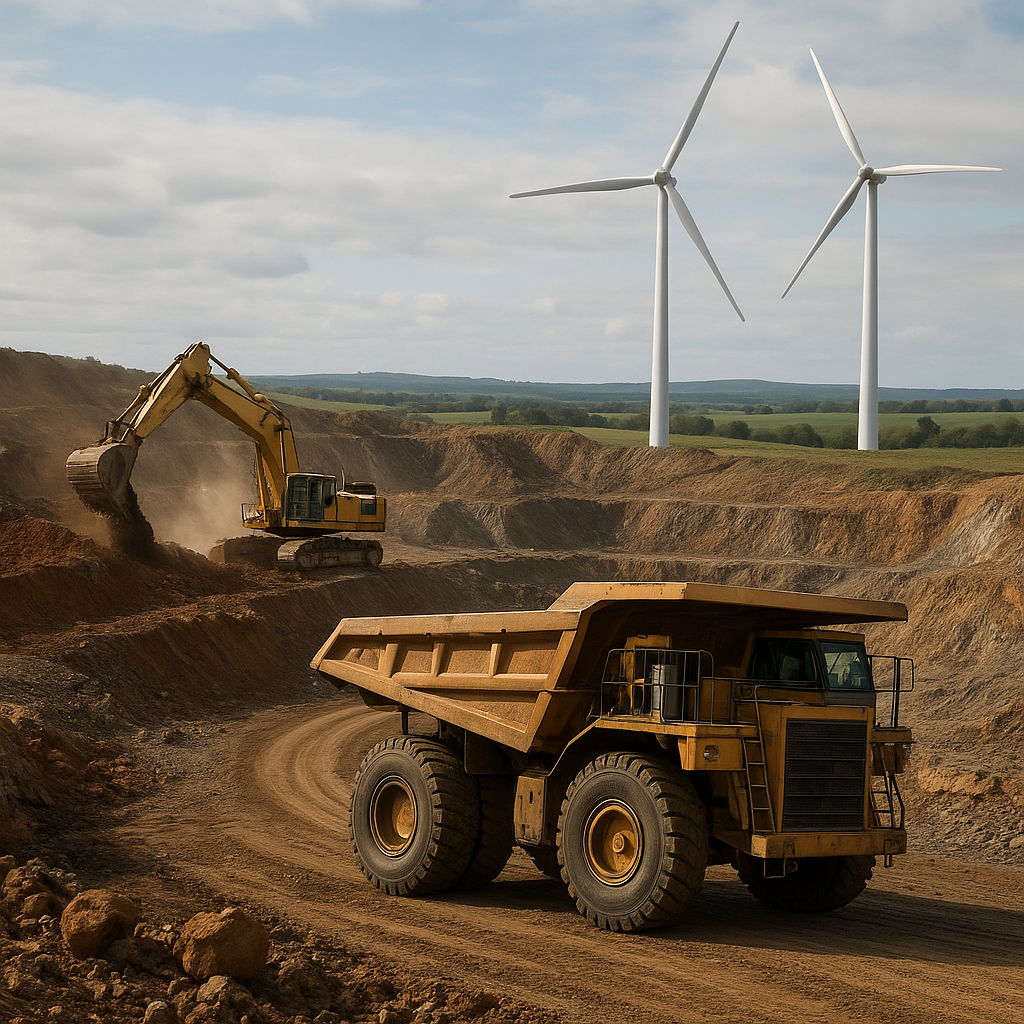
Mining has historically been associated with significant carbon emissions, water usage and land disturbances. As the world pushes for close to zero greenhouse gases, the mining sector must adapt through innovative practices and technologies.
Emissions Reduction Strategies
- Electrification of haul trucks, drills and auxiliary equipment to replace diesel engines.
- Integration of on-site renewable energy installations—solar farms, wind turbines or microgrids—to power extraction and processing facilities.
- Use of hydrogen and fuel cells as alternative energy carriers for heavy machinery.
Water Management and Biodiversity Protection
In arid mining regions, water scarcity is a critical issue. Companies are implementing closed-loop water systems and utilizing desalination plants where feasible. Restoration of mine sites and conservation corridors for wildlife are increasingly recognized as responsibilities, not optional add-ons.
Digitalization and Efficiency Gains
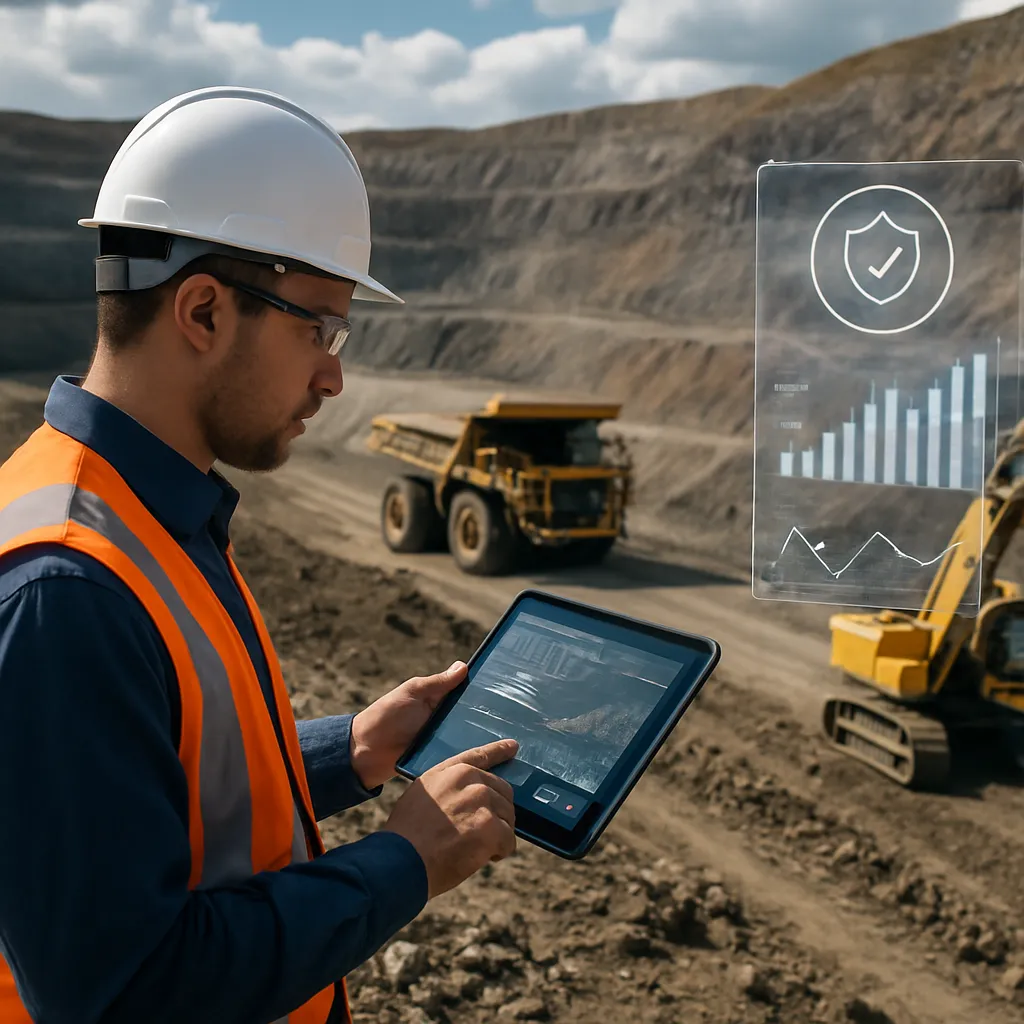
Advanced analytics, remote sensing and automation can deliver significant improvements in resource utilization. Examples include:
- Real-time monitoring of ore grades to optimize blasting and reduce waste.
- Predictive maintenance to lower downtime and energy consumption.
- Blockchain-based traceability tools to verify responsible sourcing throughout the value chain.
Economic Pathways for Mining Economies
Mineral-rich nations face a critical crossroads. To avoid the pitfalls of the “resource curse” and ensure long-term prosperity, they must align policy frameworks with the imperatives of a low-carbon economy.
Diversification and Downstream Integration
- Invest in local processing and refining facilities to capture greater value within the country.
- Develop specialized clusters for battery manufacturing, renewable energy components or advanced materials.
- Encourage partnerships between state-owned entities and private firms to pool expertise and capital.
Regulatory and Fiscal Reform
Transparent and stable regulation attracts foreign direct investment (FDI). Effective measures include:
- Competitive royalty regimes tied to environmental and social performance metrics.
- Tax incentives for companies that invest in innovation and clean technologies.
- Streamlined permitting processes that uphold environmental standards without unnecessary red tape.
Skills Development and Community Engagement
Building a skilled workforce is essential. Governments and mining operators should co-invest in:
- Vocational training programs focused on modern mining techniques and environmental stewardship.
- Local entrepreneurship initiatives to support supply chain SMEs.
- Transparent benefit-sharing schemes that channel mining revenues into healthcare, education and infrastructure.
Technological Innovation and Future Outlook
Breakthroughs in material science, extraction methodologies and digital tools are poised to reshape the rare metals sector. Key trends to watch include:
- Direct lithium extraction (DLE) techniques that drastically reduce water use and footprints of brine operations.
- Bioleaching and biomining processes that use microbes to extract metals with minimal chemicals.
- Advanced metallurgical processes capable of recovering multiple elements from complex ores in a single plant.
- Machine learning algorithms optimizing every phase from exploration to end-of-life recycling.
Conclusion
Decarbonization is more than an environmental imperative; it is a catalyst transforming global rare metals markets and mining economies. By embracing sustainable practices, fortifying supply chains and fostering innovation, stakeholders can turn potential risks into opportunities for growth, resilience and long-term competitiveness.