The interplay between technological sovereignty and the pursuit of rare metals independence has emerged as a defining challenge for modern economies. As the digital revolution, renewable energy transition, and advanced defense systems surge forward, the demand for critical minerals grows exponentially. This article explores the global dynamics of rare metals—their geographical distribution, strategic significance, and the pathways nations can adopt to achieve resource independence. Through an examination of supply chain vulnerabilities and innovative policy measures, we outline how securing access to these vital elements underpins national resilience and long-term competitiveness.
Global Landscape of Rare Metal Distribution
Unevenly scattered across the planet, deposits of critical minerals such as lithium, cobalt, nickel, and rare earth elements define the contours of 21st-century resource geopolitics. While some regions boast abundant reserves, others remain entirely dependent on imports, heightening their vulnerability to external pressures.
Major Producers and Emerging Frontiers
- China: Dominates the production and processing of rare earths, controlling more than 60% of global output.
- Democratic Republic of Congo: Holds roughly 70% of the world’s cobalt reserves, critical for lithium-ion batteries.
- Australia: Leading exporter of lithium and nickel, rapidly expanding mining projects in Western Australia.
- Chile and Argentina: Together account for over half of global lithium resources located in the ‘Lithium Triangle’.
- United States: Rich in nickel, copper, and certain rare earths, but heavily reliant on foreign processing facilities.
While these nations provide the bulk of supply, frontier regions—such as Greenland and Central Asia—have drawn interest from mining corporations seeking new resource frontiers. However, environmental and social concerns may delay or derail many of these projects.
Strategic Significance and Supply Chain Vulnerabilities
The role of rare metals in enabling cutting-edge technologies makes them indispensable for energy, transport, healthcare, and defense industries. Yet the complexity of their supply chains exposes nations to risks ranging from geopolitical conflicts to sudden export bans.
Geopolitical Tensions and Export Controls
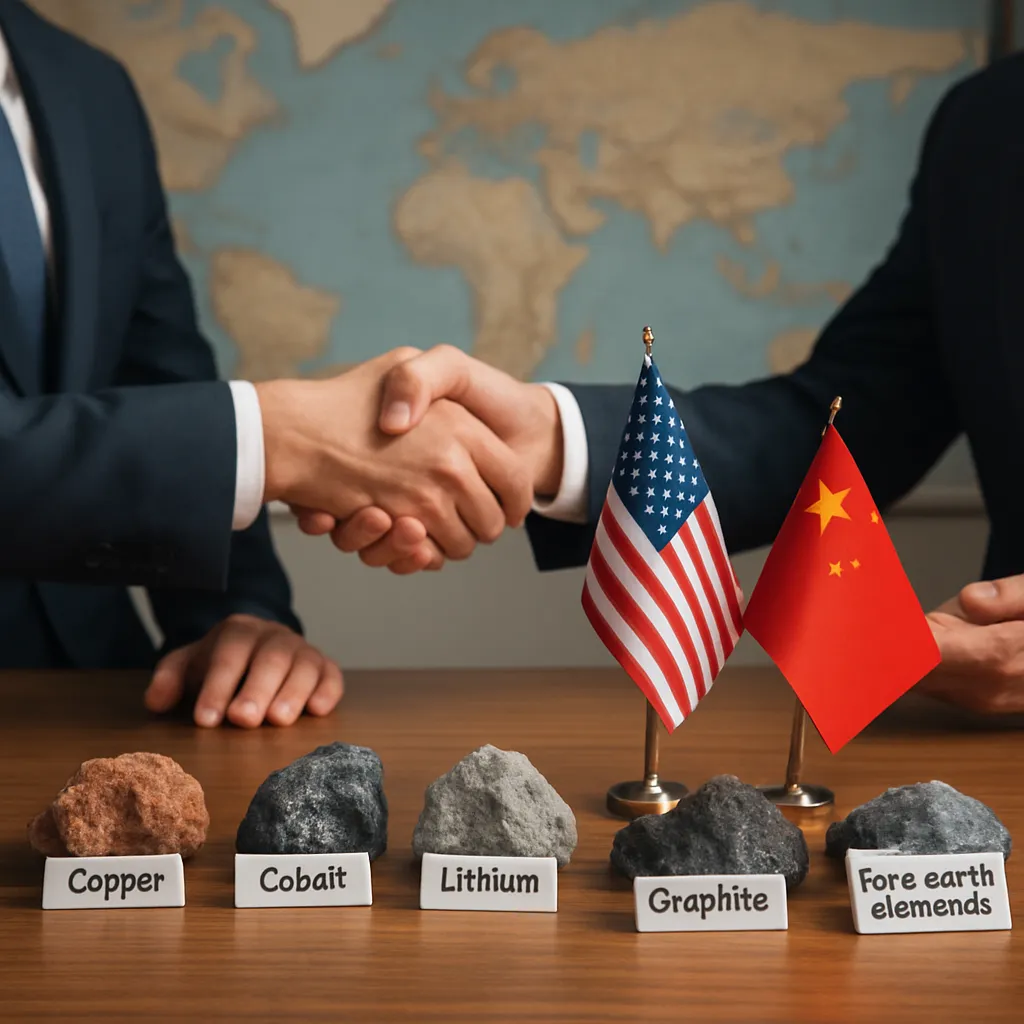
In recent years, several governments have imposed export restrictions on critical minerals and processing technologies, leveraging their resource endowments for strategic gains. China’s temporary suspension of rare earth shipments to Japan in 2010 exemplified how states can weaponize resource dependency. Such measures underscore the need for diversifying supply sources and developing domestic processing capabilities.
Environmental and Social Impacts
- Mining operations often lead to land degradation and water contamination, generating opposition from local communities.
- Labor issues and human rights concerns, especially in artisanal mining regions, pose reputational risks for multinational companies.
- Energy-intensive extraction and refining processes can increase a project’s carbon footprint, conflicting with sustainability goals.
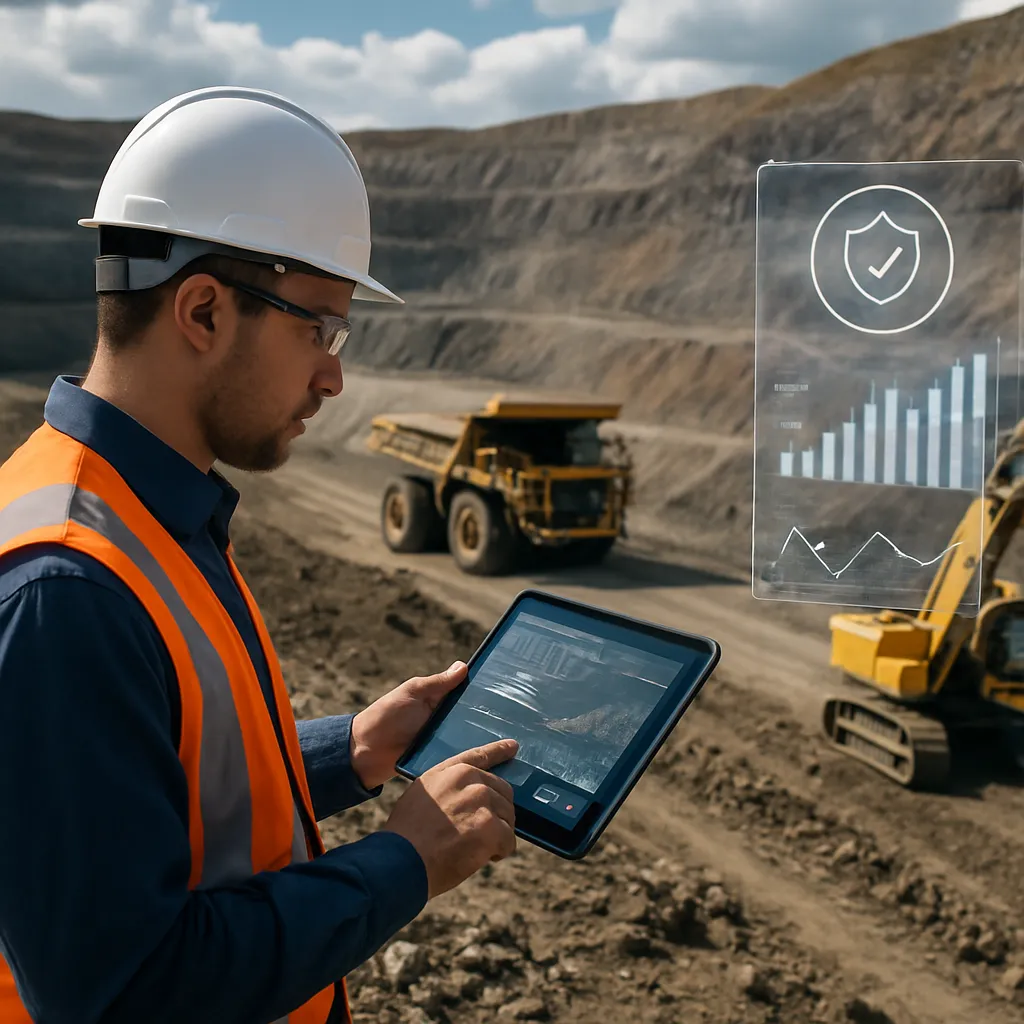
Addressing these challenges requires stringent environmental standards, transparent supply chain auditing, and inclusive stakeholder engagement to ensure that resource development aligns with broader social objectives.
Pathways to Technological Sovereignty and Resource Independence
Achieving technological sovereignty in the realm of rare metals involves a multifaceted strategy: boosting domestic exploration, diversifying international partnerships, and investing in alternative technologies.
Domestic Exploration and Recycling Initiatives
- Enhanced Geological Surveys: Governments can fund advanced geoscientific research to locate untapped mineral deposits within national borders.
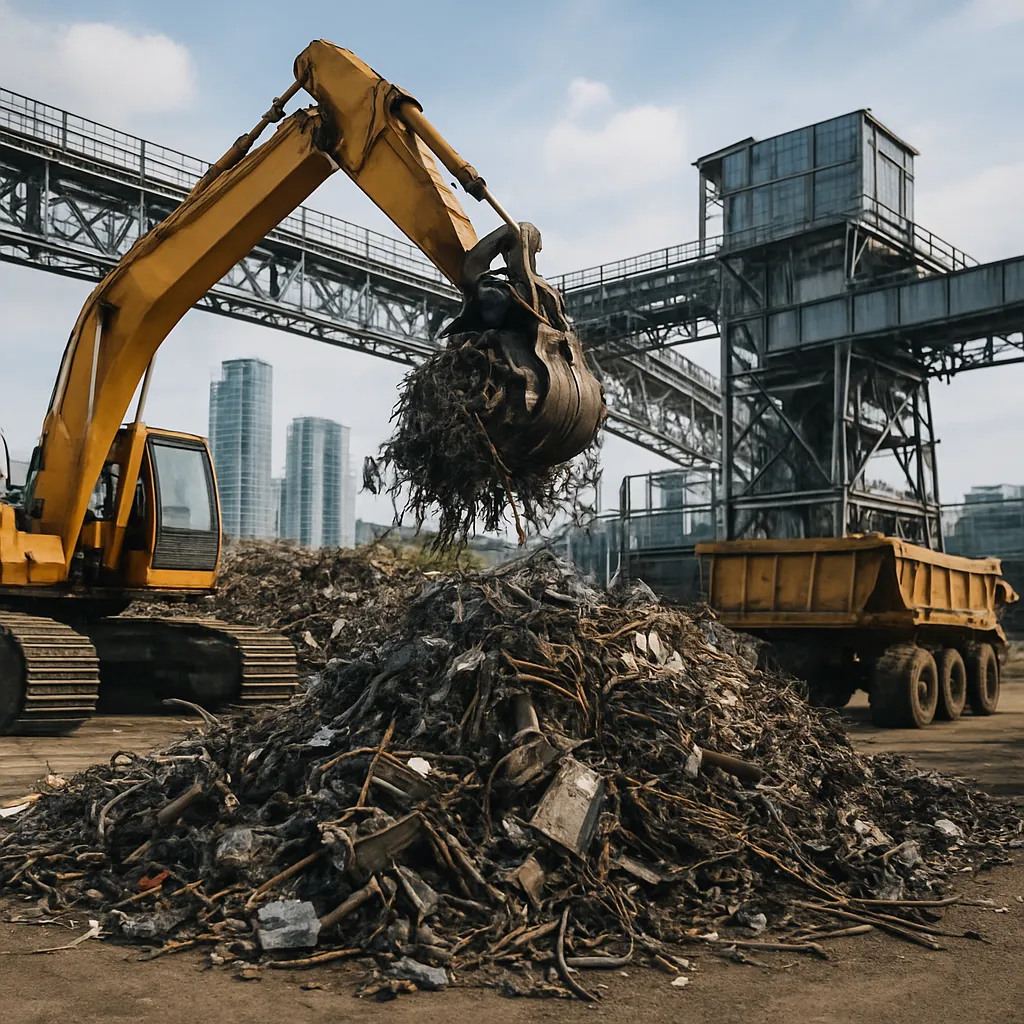
- Urban Mining: Recycling end-of-life electronics and electric vehicle batteries recovers valuable elements like cobalt, nickel, and rare earths.
- Public-Private Partnerships: Joint ventures between state agencies and private firms can accelerate the development of innovative recycling technologies.
Strategic Alliances and Trade Agreements
Long-term supply security may be bolstered through bilateral and multilateral agreements that lower trade barriers, facilitate technology transfer, and promote joint investment in mining and processing facilities. Examples include:
- Quad Initiative: India, Japan, Australia, and the U.S. collaborating on critical mineral supply chains to reduce dependence on single suppliers.
- EU Critical Raw Materials Act: Aims to diversify the bloc’s supply sources while fostering domestic processing capacity and research.
Innovation in Material Science and Substitution
Research into alternative materials and next-generation separation techniques can mitigate dependencies on scarce elements. Breakthroughs include:
- Development of solid-state batteries requiring less or no cobalt.
- Magnet recycling and the creation of high-performance iron-based magnetic alloys as substitutes for neodymium-based magnets.
- Catalysts using earth-abundant metals for industrial processes traditionally reliant on platinum-group elements.
By diversifying the material base and enhancing process efficiencies, industries can reduce the risk associated with potential supply shocks.
Conclusion
Pursuing technological sovereignty and rare metal independence requires coordinated policy action, strategic investment, and continuous innovation. While challenges remain—from environmental impacts to geopolitical maneuvering—the rewards of securing a stable, sustainable flow of critical minerals are immense: resilient industries, reduced strategic vulnerabilities, and a stronger position in the global economic order.