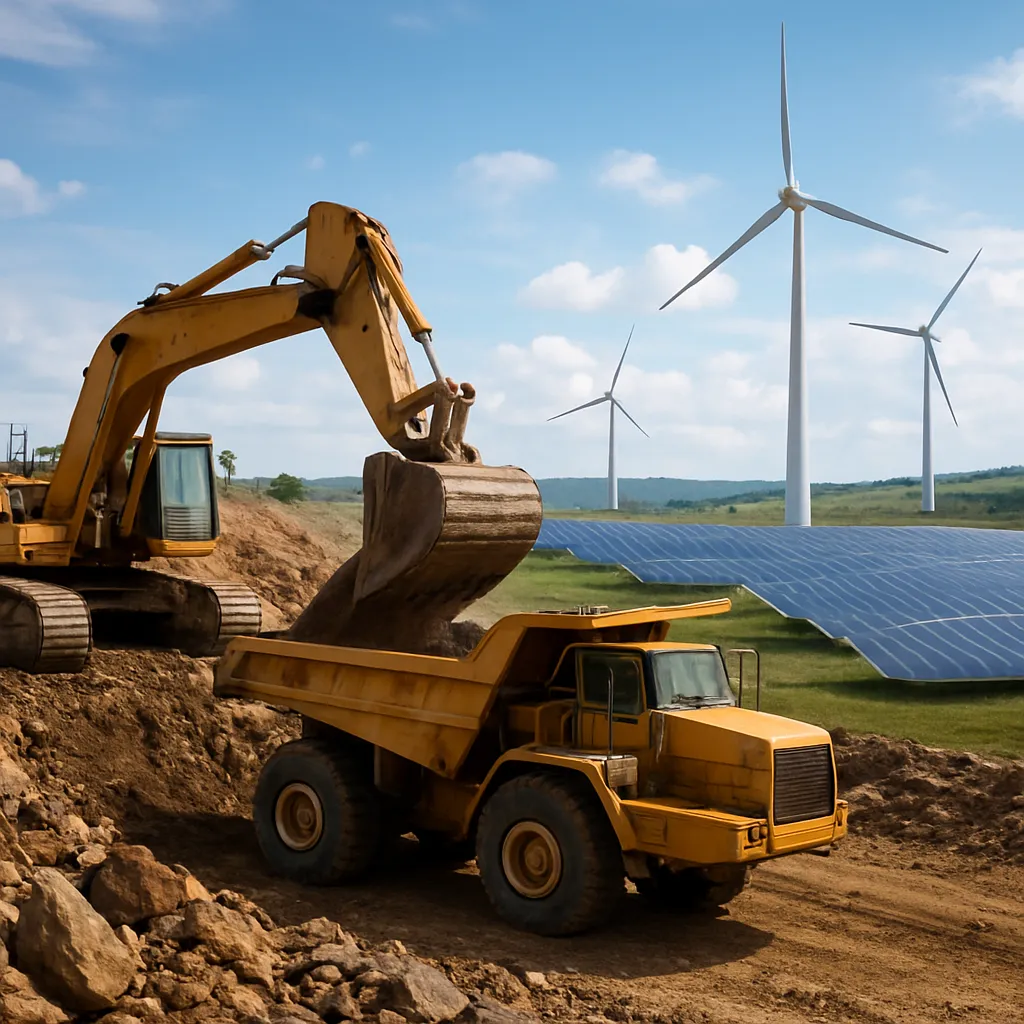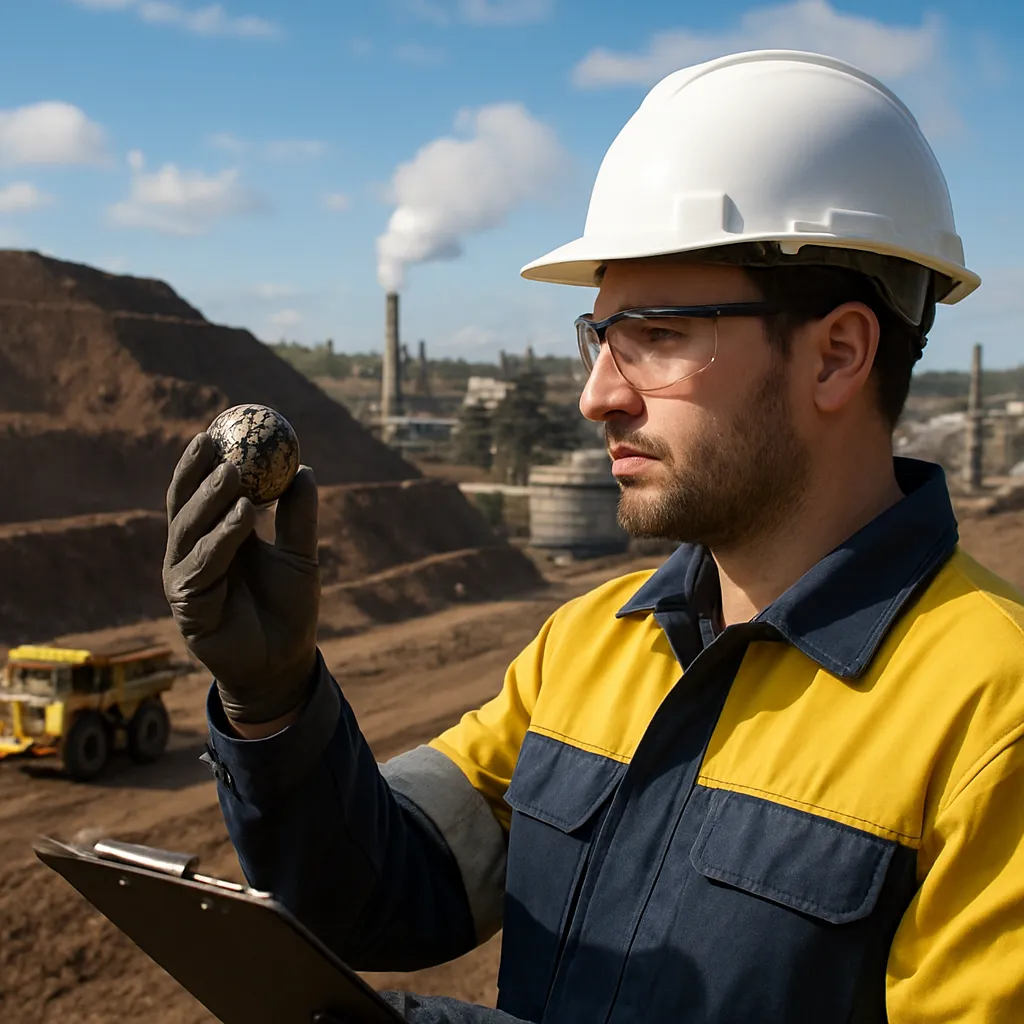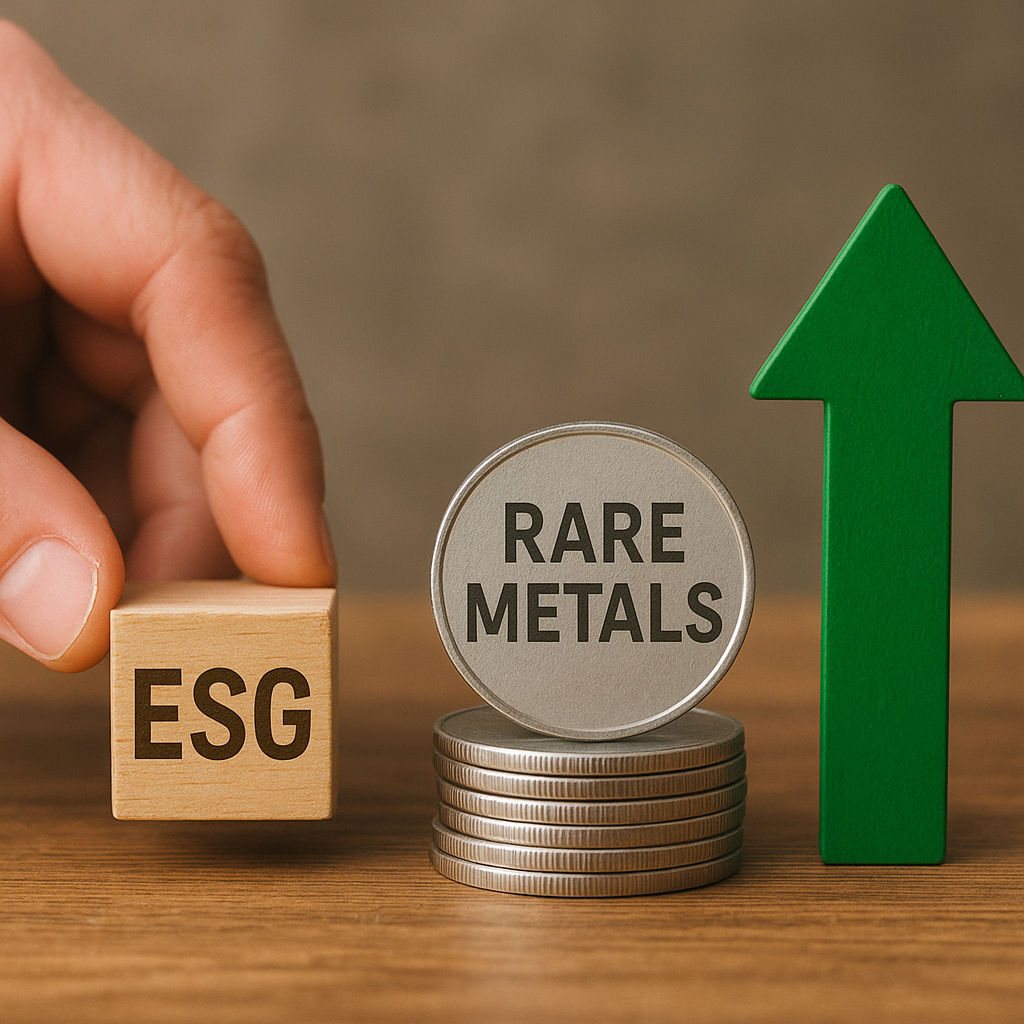
As global economies accelerate their transition toward clean energy and advanced electronics, the strategic importance of rare earth elements and other critical mineral commodities reaches unprecedented levels. Companies active in extraction, processing, and refinement face mounting pressure to meet rigorous sustainability standards. ESG investing strategies, once peripheral concerns, now stand at the forefront of corporate decision-making, shaping project pipelines, partnership dynamics, and cost structures. Stakeholders across public and private spheres scrutinize environmental footprints, social engagement practices, and governance frameworks.
ESG Criteria and Their Impact on Rare Metal Firms
Environmental considerations profoundly affect exploration and mining operations targeting rare earth metals. High-profile projects must address landscape disturbance, water consumption, and the management of acidic or radioactive tailings. Investors demand detailed life-cycle analyses that quantify a company’s carbon output, reclamation plans, and biodiversity safeguards. Firms without robust mitigation measures face higher capital costs, stringent lending terms, or exclusion from sustainable bond frameworks.
Social factors weigh heavily when evaluating community relations in extraction zones. Indigenous land rights, resettlement protocols, and the equitable distribution of mining royalties are closely monitored by asset managers. Companies engaging in proactive stakeholder dialogues, job training, and local infrastructure investment receive favorable ESG scores. Conversely, incidents of labor disputes or inadequate health and safety practices can trigger divestment campaigns led by activist investors.
Corporate governance structures also play a pivotal role in ESG assessments. Boards with independent directors, transparent executive compensation linked to long-term environmental performance, and clear anti-corruption policies earn premium valuations. Governance lapses—ranging from opaque ownership to bribery allegations—raise red flags among pension funds and sovereign wealth funds committed to socially responsible mandates.
Resource-rich firms increasingly adopt third-party certifications to validate their ESG credentials. International standards such as ISO 14001 for environmental management and the Responsible Minerals Initiative’s Responsible Sourcing protocols serve as benchmarks. These frameworks provide investors with reassurance that supply chains are free from human rights abuses and that minerals originate from conflict-free sources.
Data analytics and satellite monitoring solutions further enhance environmental oversight. Remote sensing can detect unauthorized land clearing, while machine-learning algorithms analyze water quality metrics in real time. Corporations integrating digital tools into their environmental governance frameworks distinguish themselves in ESG index rankings.
Financing and Investor Behavior in the Rare Metals Sector
Capital allocation trends reflect a growing appetite for green and social impact bonds, with many issuers linking proceeds to the development of critical mineral infrastructure. Mining companies issuing sustainability-linked loans face interest rate reductions tied to performance targets, such as reducing greenhouse gas emissions or increasing the share of recycled feedstock. This dynamic fosters competition among issuers to innovate in both process design and supply chain transparency.
Equity investors are also reorganizing portfolios around ESG criteria. Passive funds tracking ESG-screened indices have redirected trillions of dollars away from high-emission industries. Rare metal firms that demonstrate transparent reporting and third-party assurance attract inflows from a broader investor base, including European asset managers bound by the EU’s Sustainable Finance Disclosure Regulation (SFDR).
Greenwashing concerns have prompted regulatory bodies to publish stricter disclosure guidelines. Investors now expect granular data on energy sourcing—preferably from renewables—alongside plans for reducing diesel consumption and transitioning to electric or hydrogen-powered machinery. Companies failing to meet these benchmarks risk capital flight to more sustainable peers in North America, Australasia, or Europe.
Private equity and venture capital play a crucial role in backing early-stage technologies aimed at resource recovery and processing innovations. Clean separation methods, solvent extraction improvements, and novel bioleaching approaches attract specialized funds seeking outsized returns aligned with environmental impact goals. Portfolio companies benefit from both financial support and technical partnerships that accelerate commercialization.
Overall, the fusion of financial incentives and ESG-driven mandates is reshaping risk-reward calculations. Firms demonstrating strong ESG performance secure preferential financing, lower insurance premiums, and enhanced market reputations—creating a virtuous cycle that rewards sustainable practices.
Regulatory Landscape and Supply Chain Implications
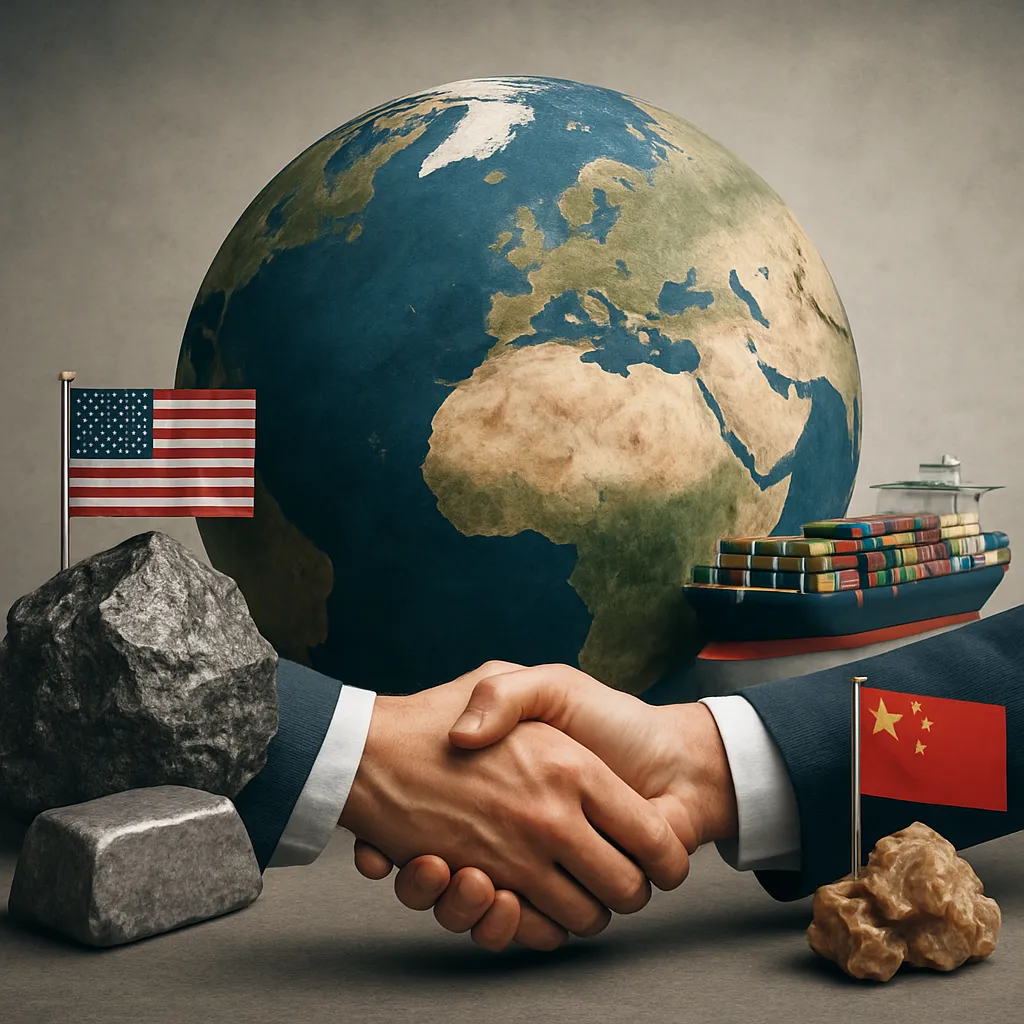
Governments around the world have introduced new regulations to ensure the ethical sourcing and processing of rare metals. Export quotas, environmental impact assessments, and community consultation requirements vary significantly by jurisdiction. Multinational corporations must navigate overlapping legal frameworks—from the U.S. Dodd-Frank Act’s conflict minerals provisions to China’s tightened export controls on certain rare earth oxides.
Supply chain due diligence has become a compliance imperative. Downstream users, including technology manufacturers and electric vehicle producers, demand evidence that raw materials comply with environmental and social standards. Digital traceability platforms, leveraging blockchain or IoT sensors, help participants verify the provenance of concentrates and refined outputs.
Trade policies also influence mineral flows. Tariffs on critical minerals can incentivize onshore processing, leading to the development of new refineries in North America and Europe. Meanwhile, strategic partnerships among resource-rich nations aim to diversify supply chains and reduce reliance on single-source exporters. These alliances often include provisions for joint research initiatives and cross-border infrastructure investment.
Circular economy principles are gaining traction within regulatory circles. Extended producer responsibility schemes mandate electronics manufacturers to establish take-back programs and facilitate the recycling of rare earth magnets and battery metals. Policymakers view such mechanisms as essential to reducing environmental footprints and enhancing resource security.
Market transparency is another priority. Stock exchanges are introducing ESG disclosure requirements for listed mining companies, compelling them to file detailed sustainability reports. This new era of public accountability elevates the importance of standardized metrics and third-party audits to verify compliance.
Technological Innovation and Circular Economy Approaches
Advances in metallurgy and process engineering are unlocking more efficient pathways for element separation. Solvent extraction circuits now employ greener reagents that reduce hazardous wastewater volumes. Pilot-scale demonstration plants test novel hydrometallurgical techniques, showing promising yields and lower energy intensity than traditional roasting methods.
Green hydrogen and ammonia production technologies hold potential for decarbonizing energy-intensive refining steps. By replacing coal or natural gas with electrolytic hydrogen, refineries can slash greenhouse gas emissions and align with corporate net-zero pledges. These breakthroughs depend on continuous collaboration between mining firms, energy providers, and technology developers.
Innovations in material science are expanding opportunities for end-of-life reclamation. Electrochemical recovery systems, supercritical fluid extraction, and specialized adsorbents capture rare metals from spent catalysts, wind turbine magnets, and electronic waste. Such processes not only diminish the environmental footprint but also reduce dependence on virgin ore deposits.
Circular design principles promote closed-loop supply chains. Manufacturers redesign products to facilitate disassembly and improve component recyclability. Urban mining projects—targeting landfill leachates and industrial sludge—emerge as cost-effective sources of critical elements. By integrating these streams, companies diversify supply and mitigate geopolitical risks.
Increasingly, cross-sector consortiums coordinate research on innovation and environmental stewardship. Collaboration among mining companies, chemical producers, automakers, and battery manufacturers fosters shared technology platforms. This collective approach accelerates commercialization of best practices and expands the global knowledge base on sustainable rare metal production.