The accelerating transition toward renewable power systems has triggered a profound shift in global mining strategies. As solar, wind, and energy storage technologies proliferate, demand for critical raw materials has surged. In this context, producers, policymakers, and investors must reevaluate mining priorities to secure access to high-value metals like lithium, cobalt, and nickel. This analysis explores how evolving demand drivers, technological innovation, and sustainability imperatives are reshaping the exploration, extraction, and supply chains of rare earth and battery-grade minerals.
Realigning Exploration: From Fossil Fuels to Critical Minerals
Historically, mining companies focused on oil, coal, and base metals for industrial applications. However, the global pivot to decarbonize power generation and transportation has elevated the strategic stature of certain rare metals. Exploration budgets have been reallocated toward deposits containing lithium brine, hard rock spodumene, and high-grade nickel sulfides. Key dynamics include:
- Strategic Partnerships: Energy majors and battery manufacturers are forging joint ventures with mining firms to secure long-term mineral supplies, often offering exploration funding in exchange for future output.
- Geographic Diversification: As established producers face resource depletion, companies are pursuing new frontiers in South America’s Lithium Triangle, Canada’s Ring of Fire, and prospective sites in Africa and Southeast Asia.
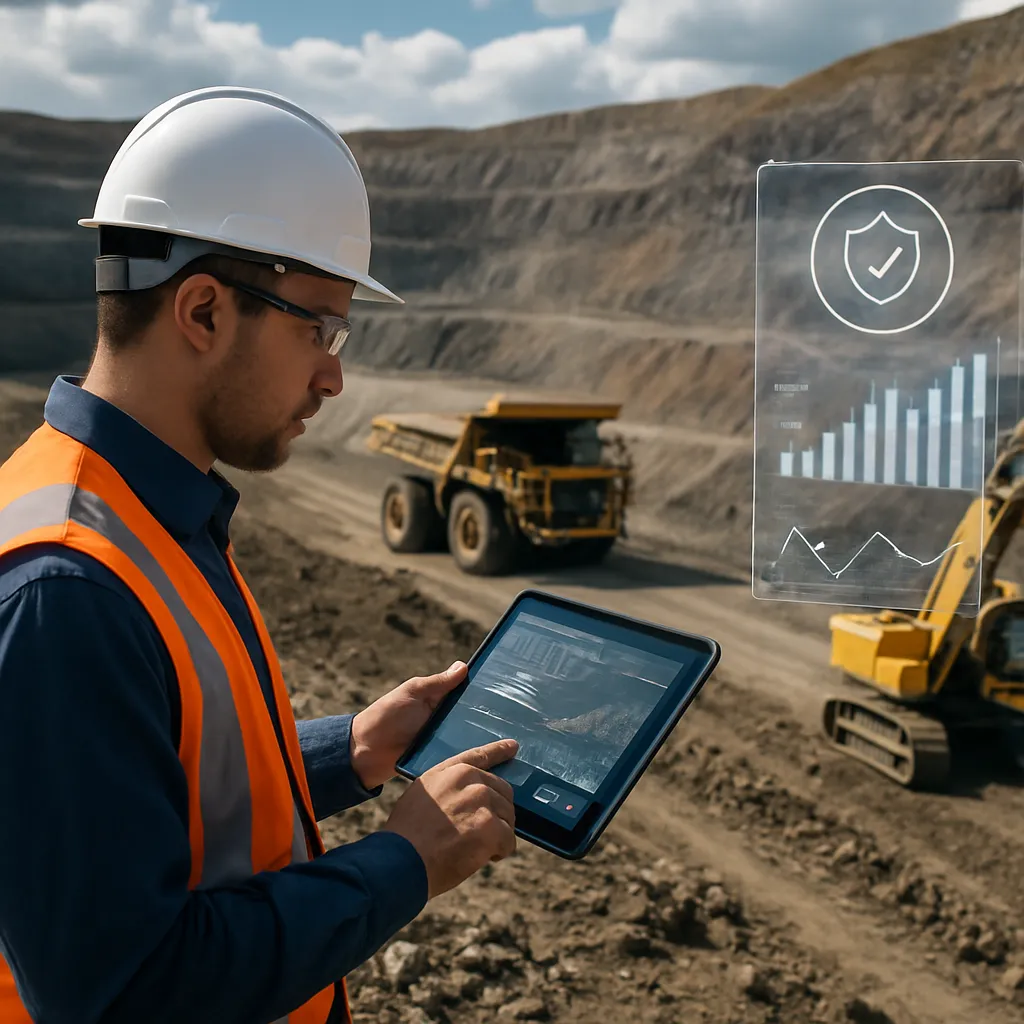
- Technological Advances: Remote sensing, drone-based geophysical surveys, and AI-driven data analytics accelerate the discovery of concealed mineralization zones, reducing lead times from target identification to feasibility studies.
- Regulatory Incentives: Governments are introducing tax credits, expedited permitting, and royalty relief for projects that advance the clean energy transition, thereby lowering entry barriers for junior explorers.
These shifts underscore a decisive reallocation of capital and expertise from conventional hydrocarbon basins toward mineral-rich terrains essential for battery and renewable energy infrastructure.
Supply Chain Complexities: Securing Resilient Routes
Building a reliable supply chain for critical metals poses multifaceted challenges. The spotlight on sustainability intensifies scrutiny over environmental and social governance (ESG) credentials. Major considerations include:
1. Ethical Sourcing and Traceability
- Consumers and investors demand transparent origin chains to avoid conflict minerals and human rights abuses.
- Blockchain and digital tagging innovations are deployed to authenticate shipment provenance from mine to end user.
2. Processing and Refining Bottlenecks
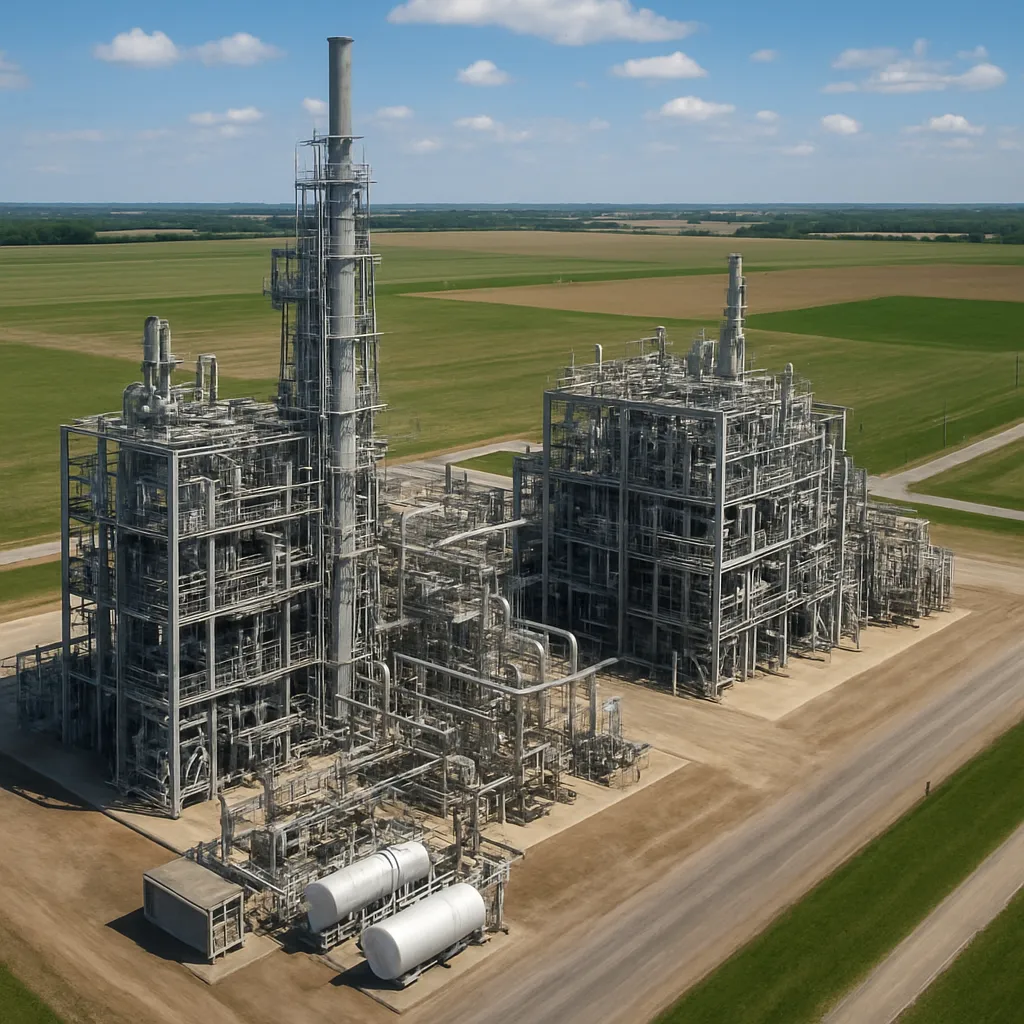
- Concentrate producers often lack domestic refining capacity, necessitating shipments to specialized facilities in Asia and Europe.
- Upgrading local smelting capabilities reduces geopolitical risks and carbon footprints associated with long-distance transportation.
3. Stockpiling and Offtake Agreements
- Strategic reserves in battery materials help buffer against supply disruptions caused by political upheaval or pricing volatility.
- Offtake contracts between miners and automakers guarantee volumes, enabling financiers to underwrite project financing more confidently.
The combination of these elements creates a web of interdependencies, prompting stakeholders to invest in vertically integrated models that integrate mining, refining, and recycling operations.
Environmental and Social Imperatives
Mining operations face mounting pressure to align with high ESG standards. Communities and regulators demand responsible stewardship of water resources, land reclamation, and protected habitats. Key initiatives gaining traction include:
- Water Recycling: Innovative technologies allow up to 95% of process water to be reclaimed, mitigating freshwater withdrawal in arid regions.
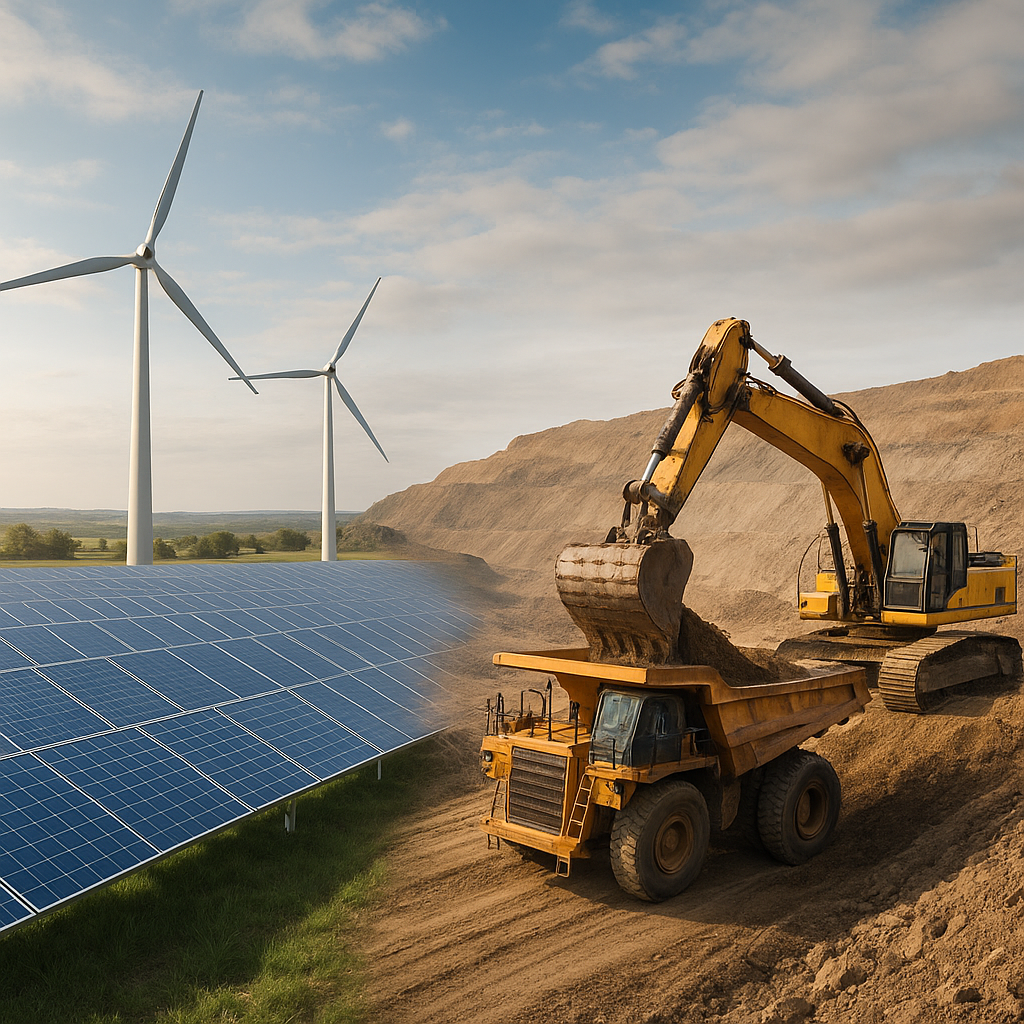
- Renewable Energy Integration: Solar and wind installations at mine sites power crushing and beneficiation processes, significantly reducing on-site carbon emissions.
- Land Rehabilitation: Progressive restoration programs reestablish native vegetation and wildlife corridors once mining ceases.
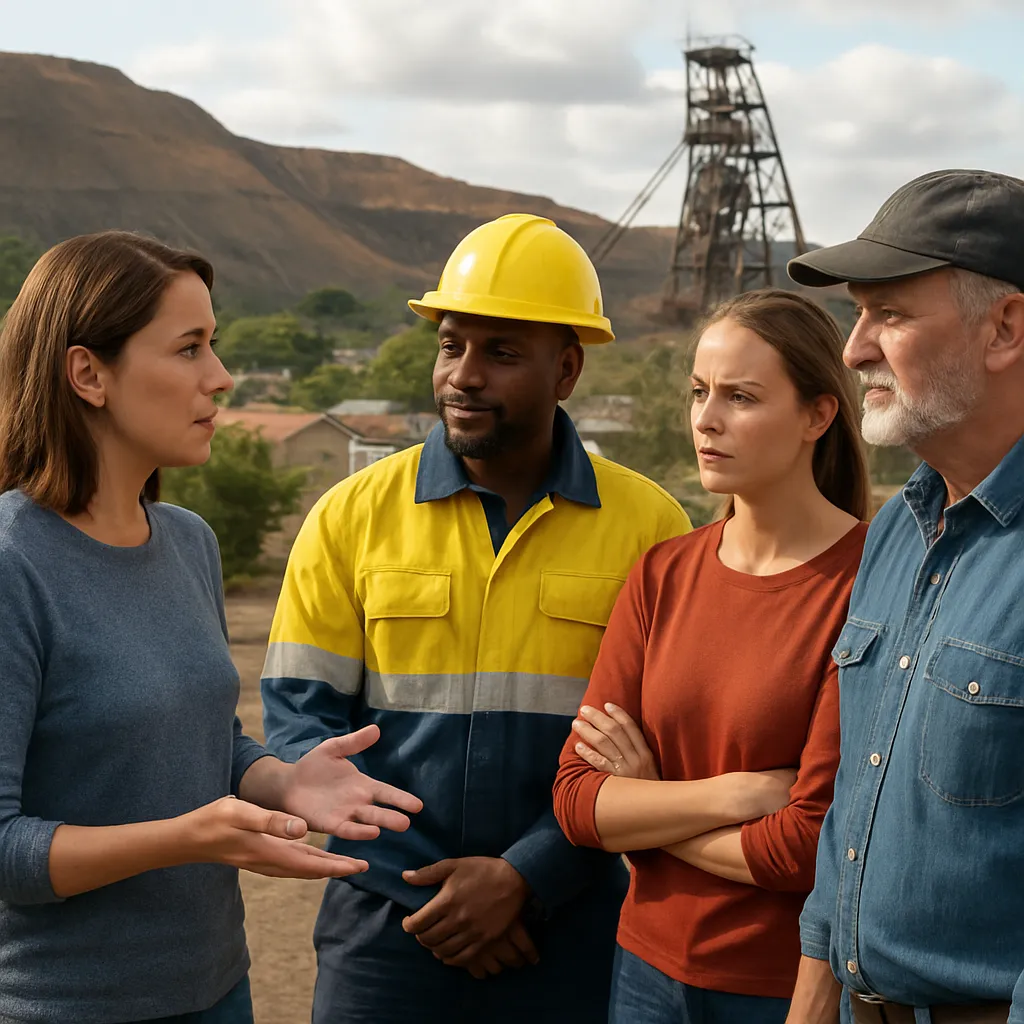
- Community Engagement: Benefit-sharing agreements, local employment targets, and transparent grievance mechanisms foster social license to operate.
Projects that proactively embed these practices not only avoid costly delays and litigation but also strengthen their appeal to ESG-minded investors and customers.
Technological Disruptions in Extraction and Recycling
Innovations are redefining the lifecycle of battery materials. From direct lithium extraction (DLE) to closed-loop recycling, the industry is prioritizing efficiency and resource circularity.
Direct Lithium Extraction
DLE processes leverage selective adsorption and membrane filtration to yield high-purity lithium chloride without extensive evaporation ponds. Advantages include:
- Reduced land footprint and a smaller environmental impact.
- Faster ramp-up times compared to traditional salar operations.
- Lower water consumption, crucial in water-stressed regions.
Battery Recycling and Urban Mining
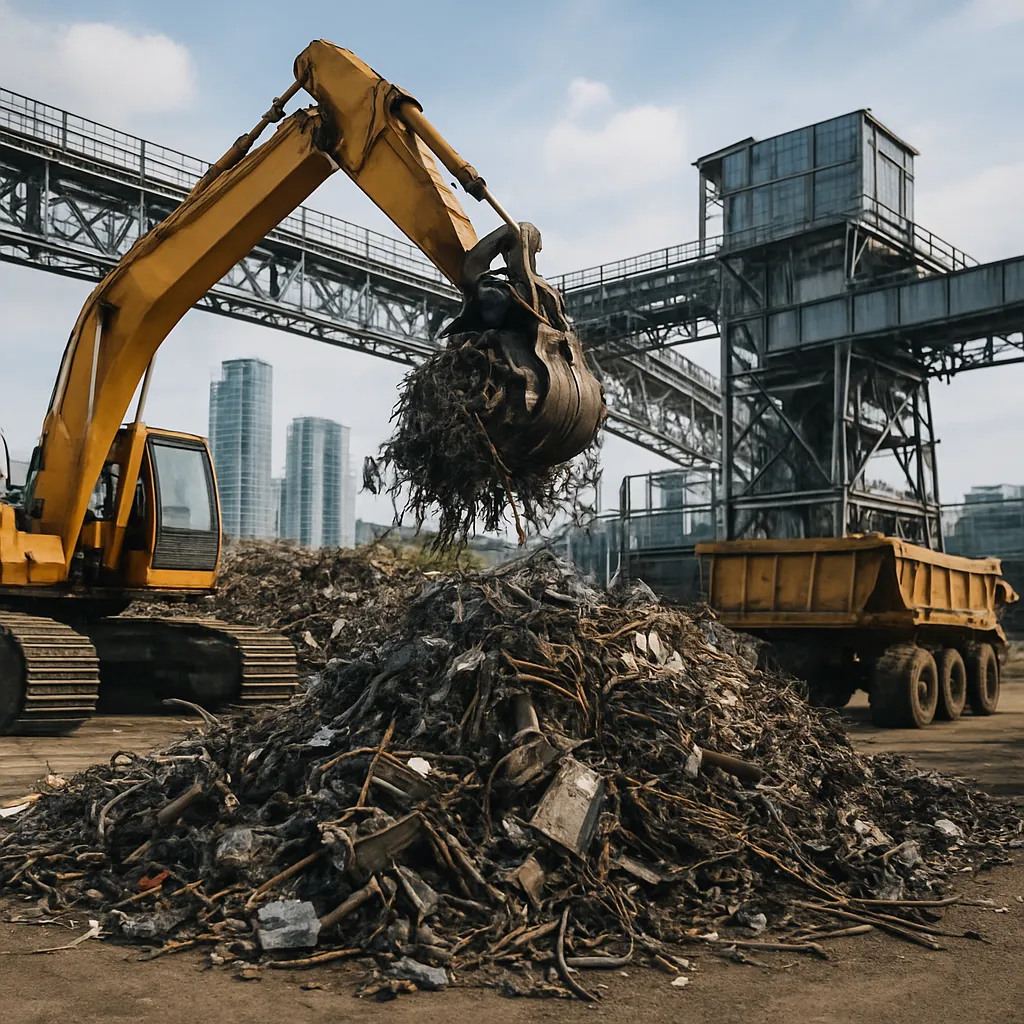
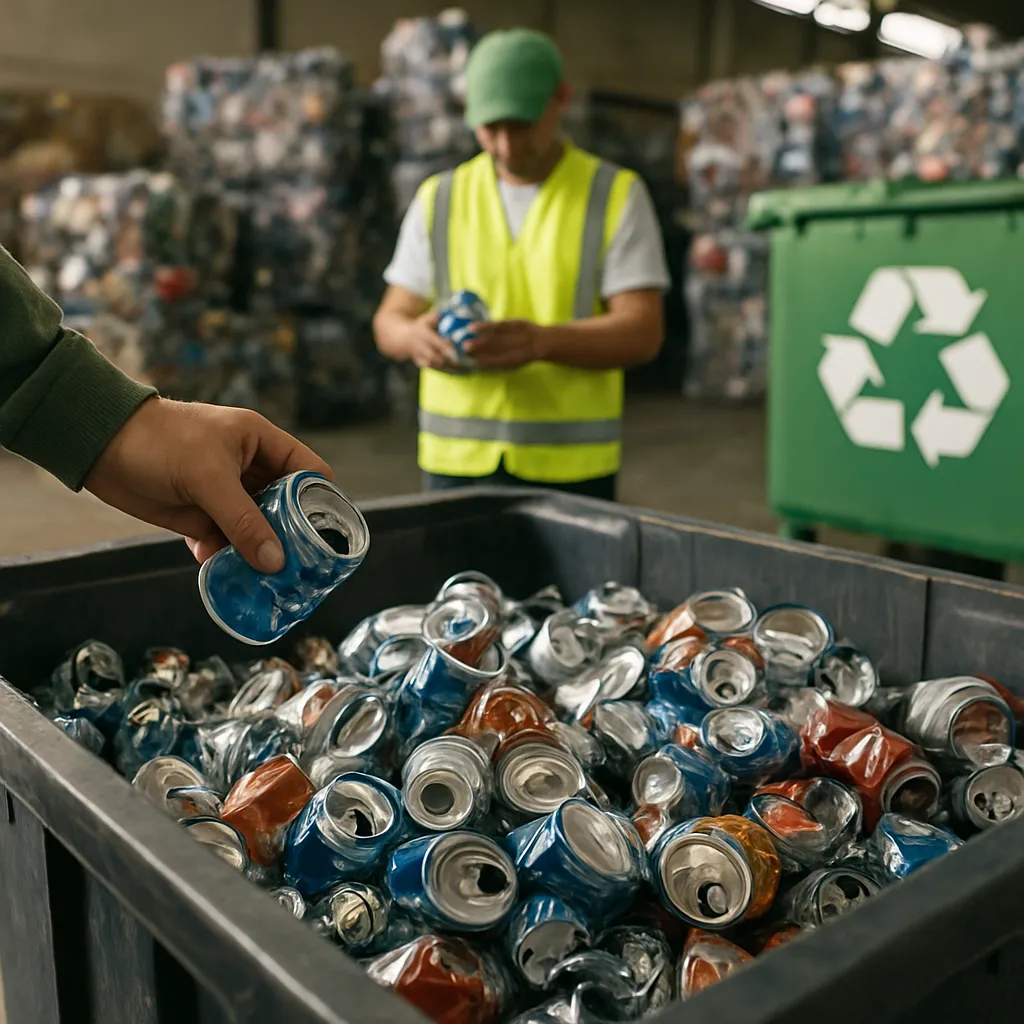
End-of-life batteries contain recoverable cobalt, nickel, and lithium. Mechanical shredding followed by hydrometallurgical and pyrometallurgical treatments enables high recovery rates. Benefits include:
- Alleviating dependence on virgin ore deposits.
- Mitigating the environmental impacts of primary mining.
Moreover, second-life applications for electric vehicle packs offer grid storage solutions, extending the functional use of valuable cells before final material recovery.
Market Dynamics and Pricing Trends
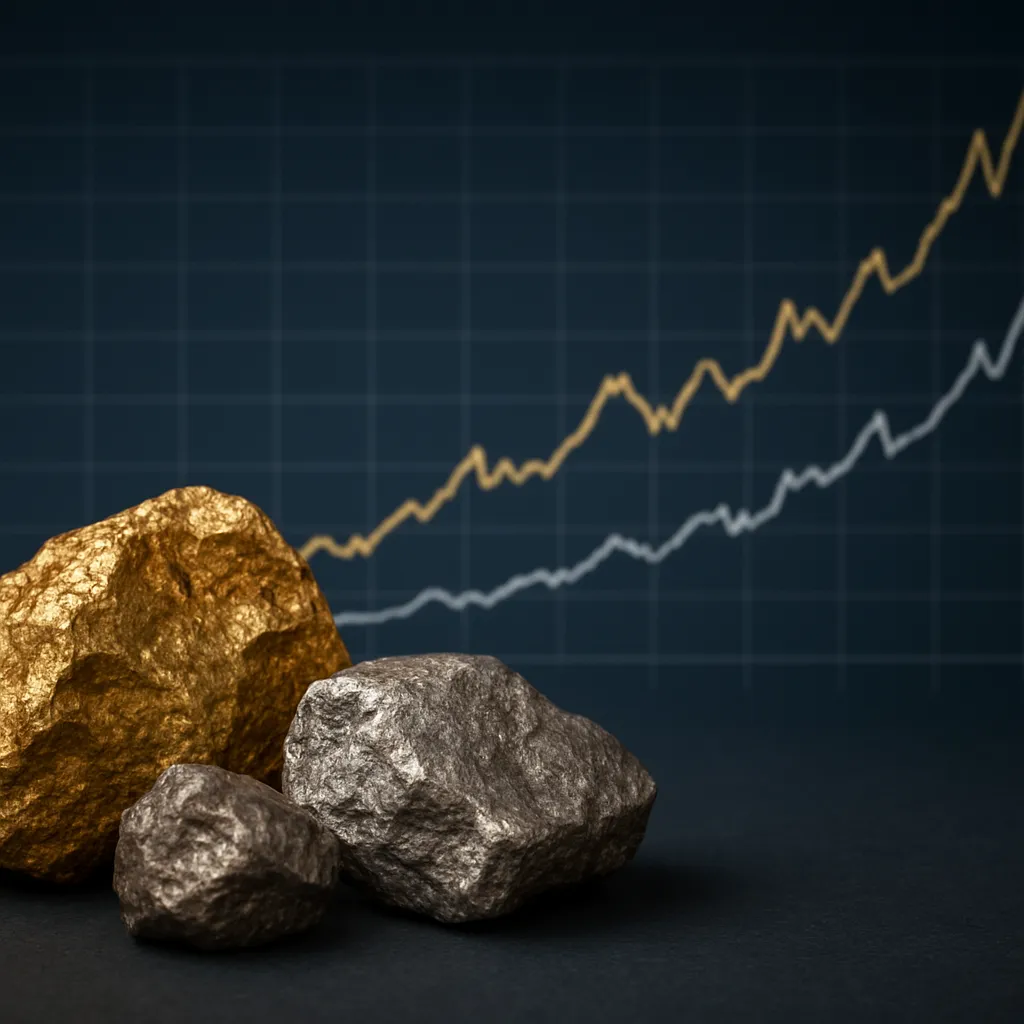
Price trajectories for critical metals are highly sensitive to technological adoption rates, policy frameworks, and macroeconomic shifts. Recent developments shaping market sentiment:
- Incentive Programs such as subsidies for EV purchases and renewable capacity auctions drive surges in material consumption projections.
- Inventory Drawdowns by manufacturers signal tighter markets when stockpiles fail to match brisk demand.
- Commodity Speculation on futures exchanges can amplify short-term volatility, creating opportunities and risks for both producers and end users.
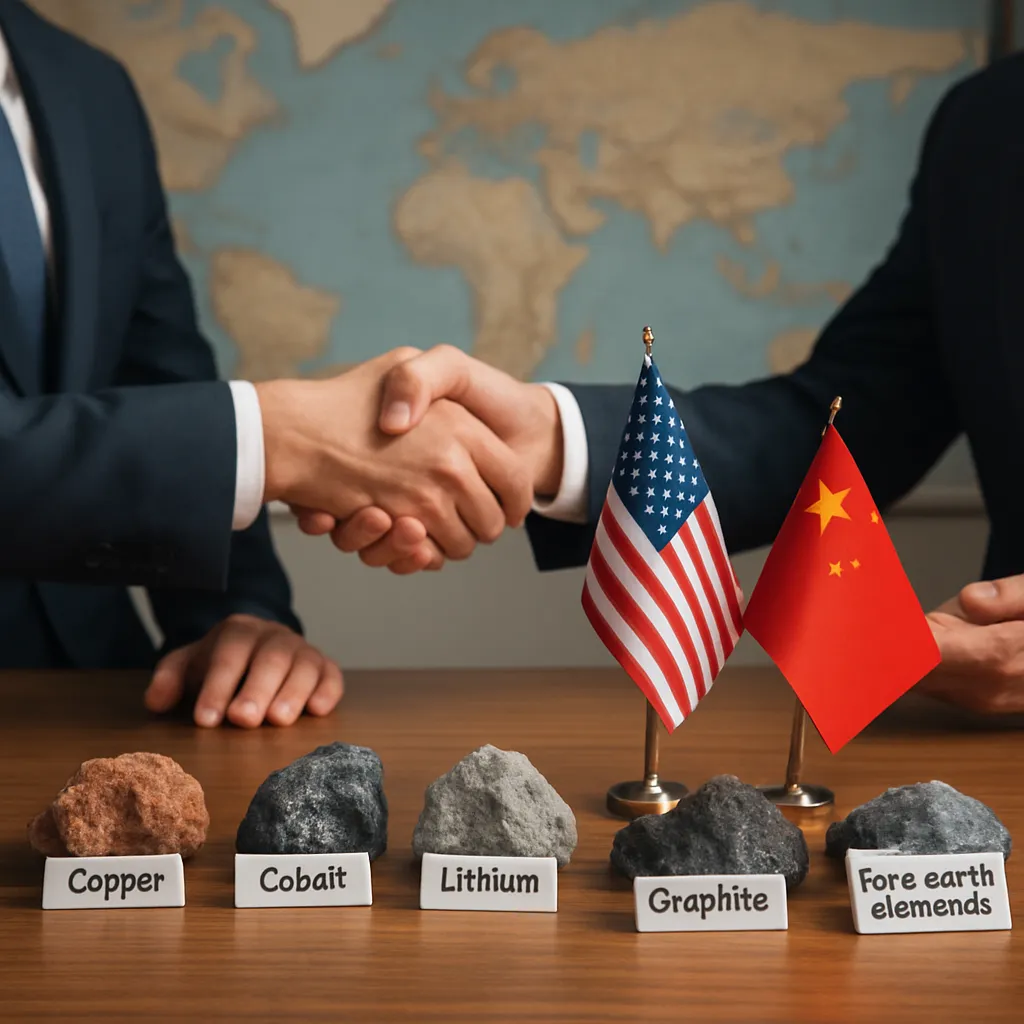
- Trade Policies and export controls influence regional price differentials, encouraging investment in domestic processing infrastructure to circumvent tariffs.
Understanding these dynamics is vital for investors evaluating project feasibility and for policymakers seeking to stabilize supply chains.
Emerging Frontiers: From Deep-Sea to Asteroid Mining
As terrestrial resources face exhaustion and geopolitical constraints, the industry is eyeing unconventional sources:
- Deep-Sea Nodules: Manganese, nickel, copper, and rare earth elements found on ocean floors could supply critical components but raise concerns over marine ecosystem disruption.
- Polar and Permafrost Regions: Melting ice opens access to untouched deposits, though extreme conditions and environmental sensitivity pose formidable challenges.
- Space Resources: Concepts for asteroid mining aim to extract platinum-group metals and water for in-space refueling, though commercial viability remains decades away.
While these frontiers capture the imagination, they underscore the imperative to optimize existing supply chains and invest in recycling to meet near-term energy transition goals.
Policy and Collaboration: Charting a Sustainable Path Forward
Governments and international bodies must craft coherent strategies to secure access to critical materials while upholding environmental and social standards. Key policy levers include:
- Multilateral Agreements for resource sharing, research collaboration, and supply chain resilience.
- Public-Private Partnerships to underwrite infrastructure for transport, processing, and waste management.
- Standardization of ESG metrics and reporting protocols to harmonize investor expectations and regulatory oversight.
By fostering transparent dialogues among governments, industry players, and civil society, the sector can mitigate risks, unlock financing, and accelerate the sustainable production of metals underpinning the green energy revolution.