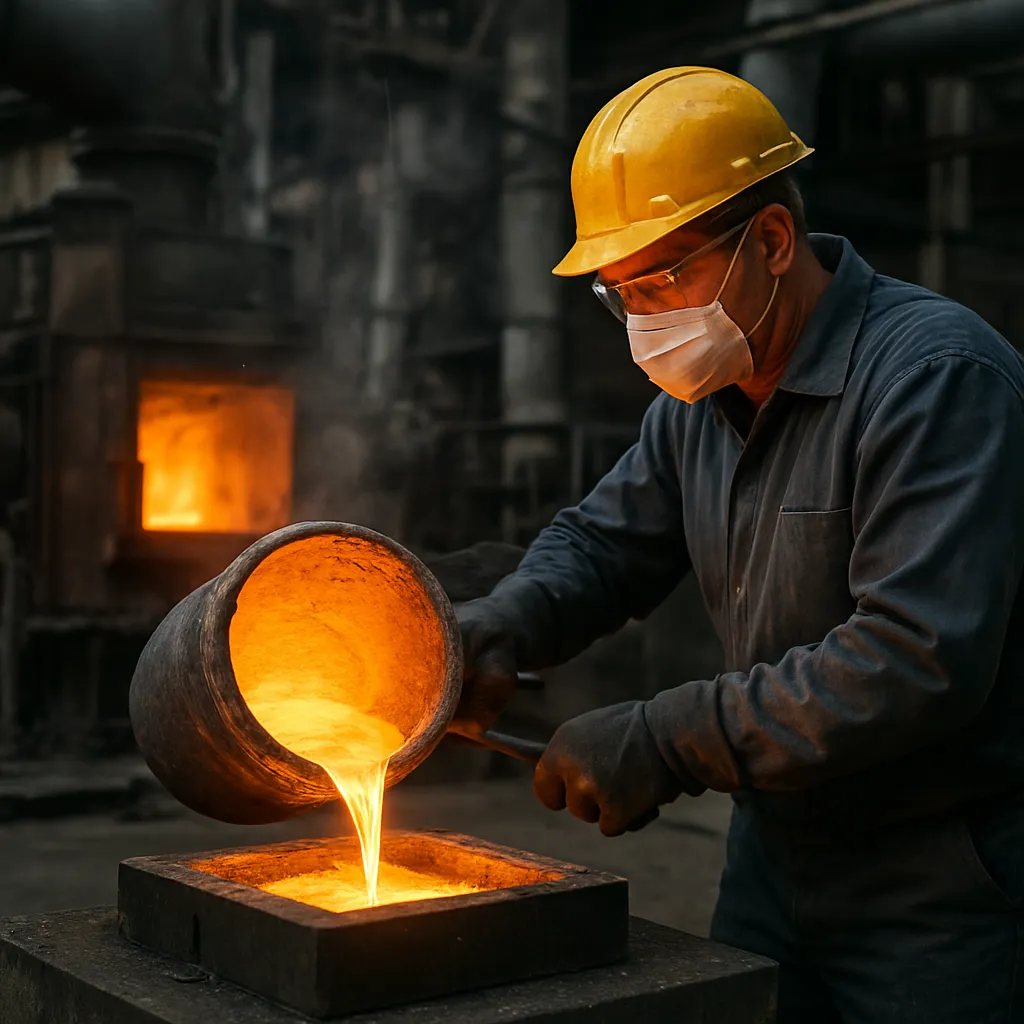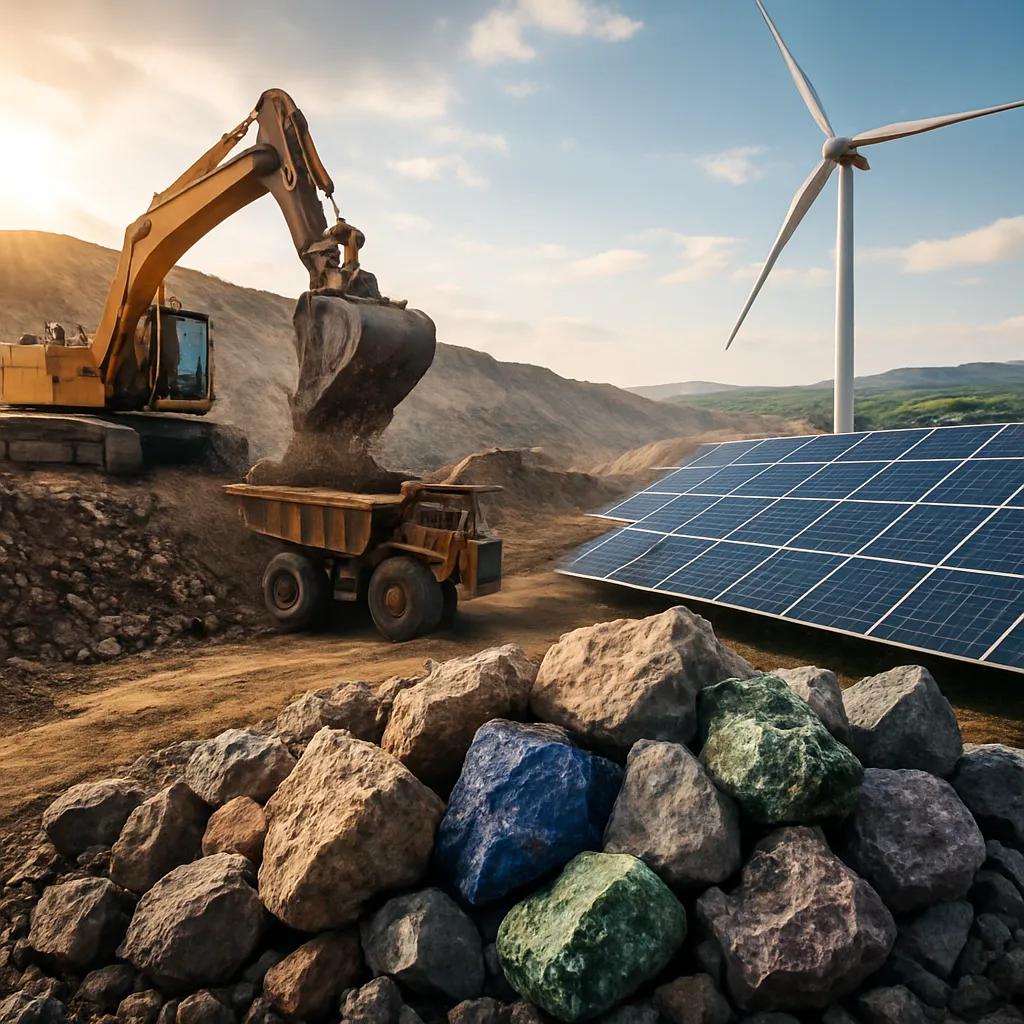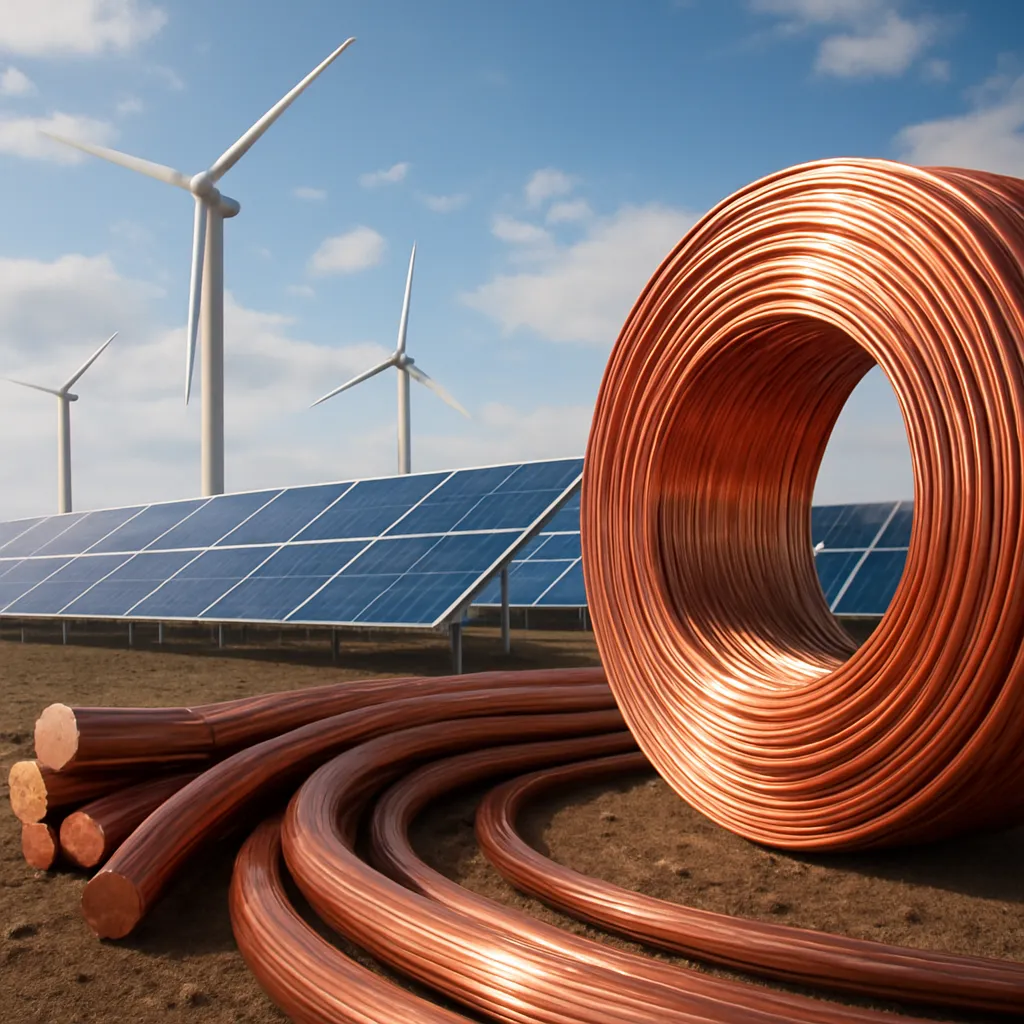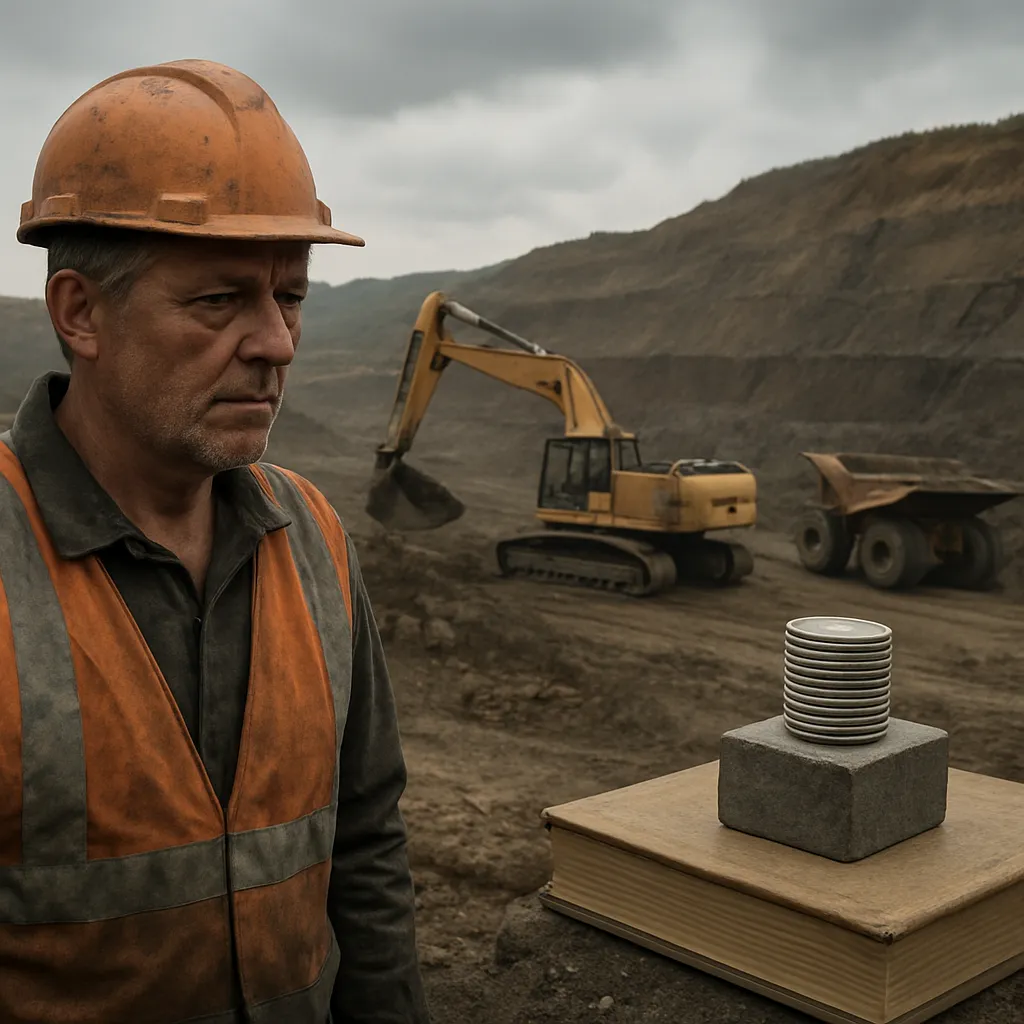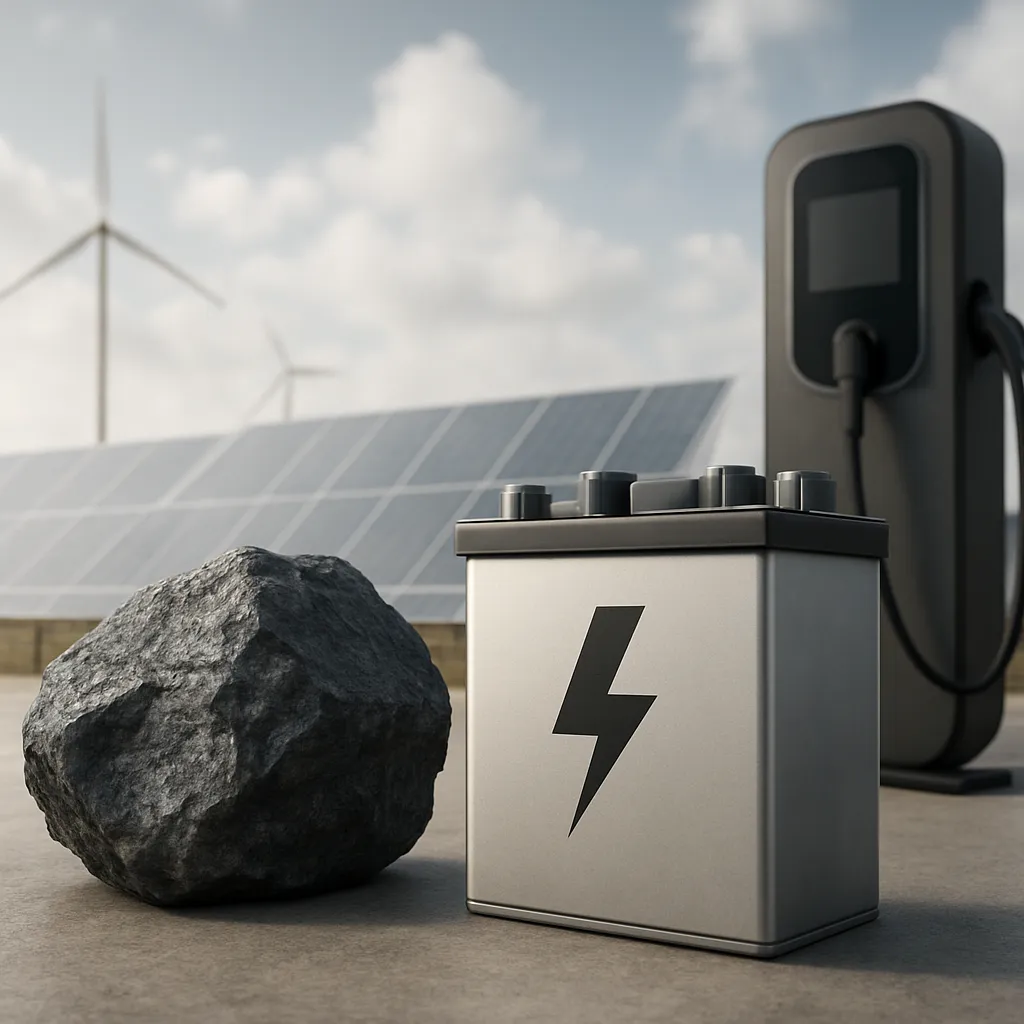
The global surge in demand for advanced technologies has thrust rare earth elements and other specialty metals into the spotlight. As electric vehicles, renewable energy systems, and high-performance electronics proliferate, the pressure on existing supply chains intensifies. Companies and governments are exploring novel avenues of refining and extraction to secure steady flows of key commodities. Economic landscapes are shifting as new refining hubs emerge, partnerships evolve, and environmental considerations reshape industry priorities. This article delves into the multifaceted opportunities and challenges shaping the rare metal refining sector today.
Market Dynamics and Geopolitical Drivers
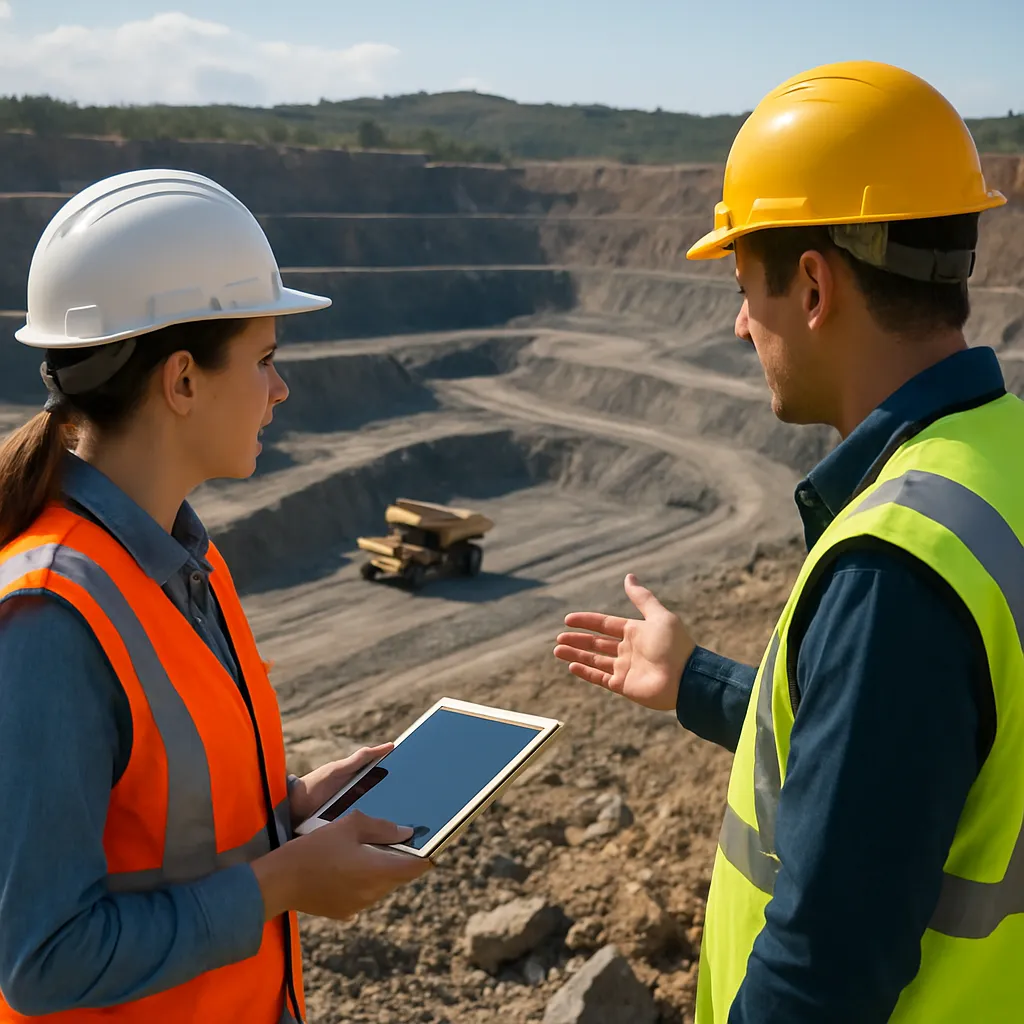
Worldwide industrial expansion has created unprecedented demand for lithium, cobalt, nickel, and rare earth elements. Supply constraints and the need for strategic reserves have amplified the role of geopolitics in commodity markets. Dominant producing nations leverage their mineral wealth to negotiate trade agreements and secure technology transfers, while importers pursue resource partnerships to minimize exposure to disruptions.
Strategic Resource Alliances
- National resource policies incentivize local investment in refining infrastructure to capture more value domestically.
- Regional trade blocs negotiate preferential tariffs for critical metals to stabilize prices.
- Public-private partnerships sponsor research consortia targeting advanced processing techniques.
As emerging economies seek to climb the value chain, refining operations are transitioning from simple smelters to sophisticated facilities capable of producing high-purity oxides and alloys. This vertical integration reduces reliance on external processors and fosters new revenue streams through byproduct sales, such as sulphuric acid or other industrial chemicals derived during extraction.
Technological Advances in Rare Metal Refining
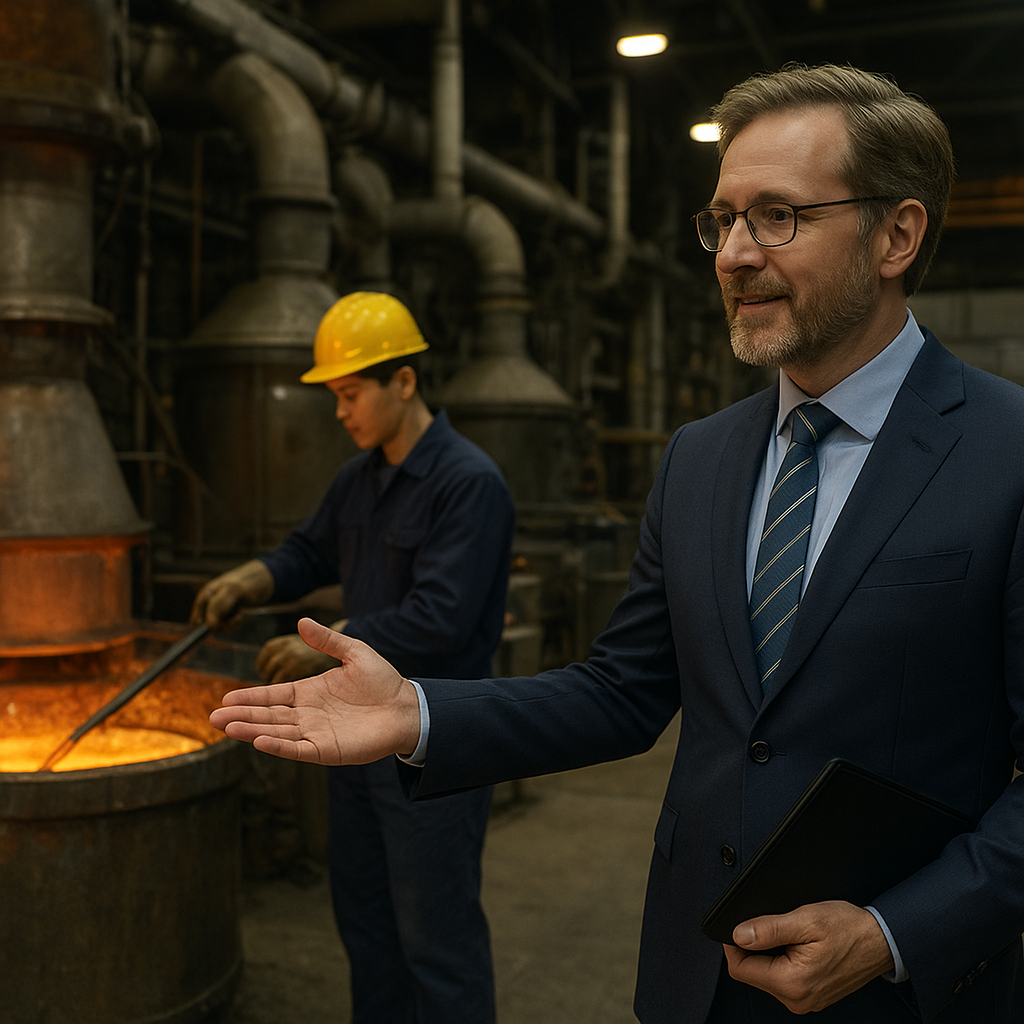
Breakthroughs in metallurgy and chemical engineering are redefining what is possible in rare metal refining. Traditional pyrometallurgical methods are being augmented—or even replaced—by innovative hydrometallurgical and electrochemical processes that promise higher recovery rates and lower carbon footprints. The race to commercialize these technologies has triggered substantial innovation investments across the globe.
Hydrometallurgy and Bioleaching
- Acid and alkaline leaching systems can selectively isolate target metals, reducing unwanted impurities.
- Bioleaching employs specialized microbes to extract metals from low-grade ores with minimal energy inputs.
- Closed-loop solvent extraction enables reuse of processing reagents, improving environmental performance.
Combine these methods with advanced solvent recovery units and real-time analytical controls, and facilities can push overall recovery rates well above 90%. Machine learning algorithms optimize process parameters to maximize yield and minimize reagent consumption, aligning profitability with sustainability goals.
Electrochemical Refining and Recycling Technologies
Electrowinning and electrodeposition techniques have matured to handle complex feeds containing multiple valuable metals. In parallel, recycling technologies are stepping up to reclaim metals from end-of-life batteries, magnets, and electronics:
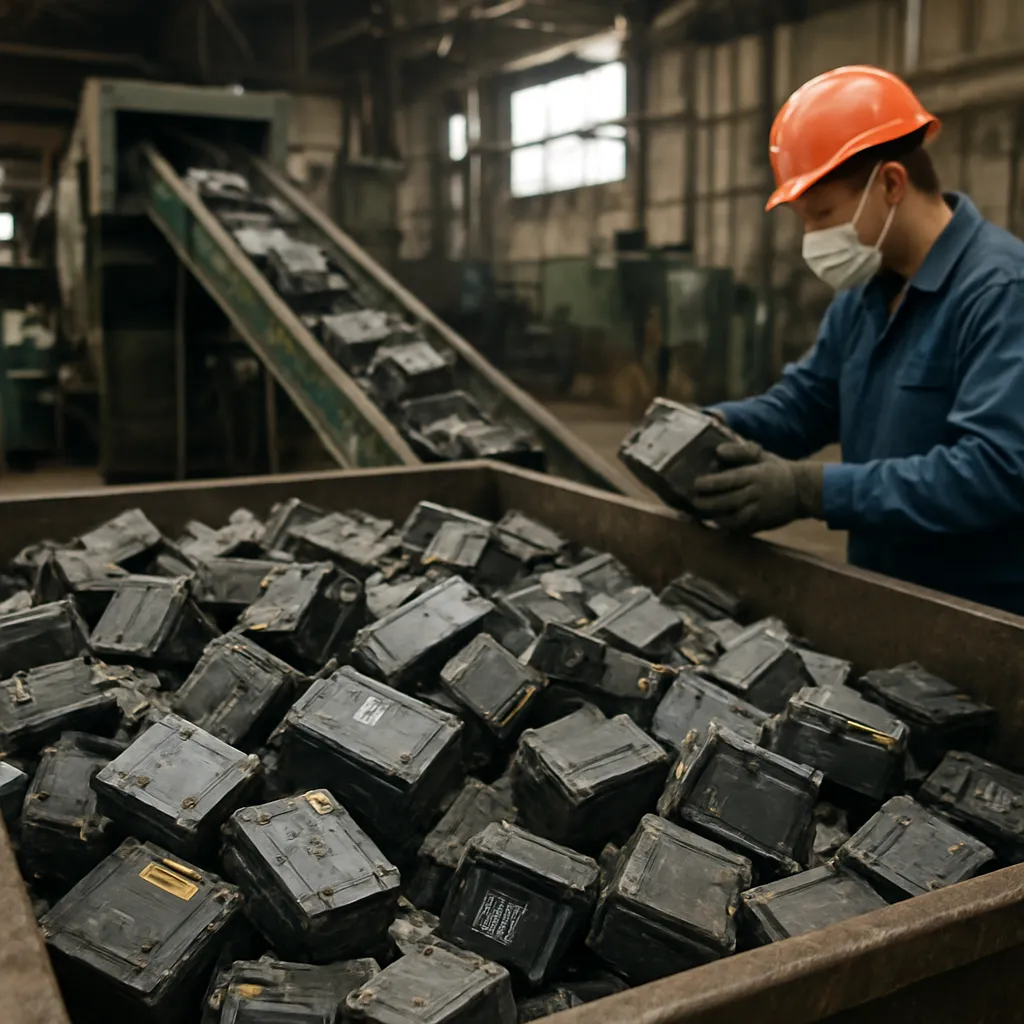
- Pyro-recycling furnaces recover nickel and cobalt from spent lithium-ion cells.
- Magnetic separation and density-based sorting streamline pre-processing of shredded devices.
- Closed electrolytic loops refine recovered salts back into battery-grade precursors.
Recycling not only offsets primary mining requirements but also strengthens the supply chain against raw material scarcity. Companies that develop modular recycling units enjoy flexible deployment across major consumption centers.
Investment Opportunities and Economic Incentives
With governments worldwide recognizing the strategic importance of rare metals, numerous investment programs are underway to accelerate refining capacity. Subsidies, tax breaks, and direct funding schemes aim to de-risk projects and attract private capital. Venture funds are particularly active in startups that bring disruptive processing technologies to market.
Government Subsidies and Tax Credits
- Accelerated depreciation allowances for new refining equipment spur capital expenditure.
- Export credits support overseas market entry for domestically refined products.
- Research grants back pilot plants integrating novel extraction chemistries.
These incentives reduce upfront burdens and improve project internal rates of return. For institutional investors, stable revenue projections underpinned by long-term offtake contracts make refining projects attractive components of diversified portfolios.
Private Equity and Corporate Venture Capital
Corporate players in energy, automotive, and electronics sectors are participating in funding rounds to secure first access to cutting-edge refining capacity. Early collaborations between miners, refiners, and end-users guarantee product quality and traceability, addressing growing consumer concerns over responsible sourcing. At the same time, private equity firms target midstream assets where capital efficiency can be maximized through operational improvements and economies of scale.
Sustainability, Recycling, and the Circular Economy
As the world moves toward net-zero targets, sustainability has become a core criterion for project approval. Environmental, social, and governance (ESG) metrics now shape funding decisions, and refiners must demonstrate low-carbon footprints, minimal water usage, and strong community engagement.
Lifecycle Assessment and Carbon Neutrality
Refining operations undergo rigorous lifecycle assessments (LCAs) to quantify greenhouse gas emissions from mine to metal. To meet ambitious decarbonization goals, facilities:
- Integrate renewable power sources—solar, wind, or hydropower—into process heat and electricity consumption.
- Implement carbon capture and utilization systems for process-related CO₂ streams.
- Harvest waste heat for ancillary on-site applications, improving overall energy efficiency.
Circular Business Models
The shift to a circular economy places emphasis on product longevity, remanufacturing, and closed-loop material flows. Industry leaders are forging alliances with electronics manufacturers and battery producers to establish take-back schemes. The recovered metals re-enter the refining cycle, reducing reliance on virgin ore.
- Design-for-recycling guidelines ensure components are easily dismantled and separated.
- Urban mining initiatives tap into municipal waste streams as secondary resource sources.
- Blockchain-based tracking systems guarantee the provenance and purity of recycled metals.
By implementing circular practices, refiners not only cut raw material costs but also enhance brand reputation among environmentally conscious stakeholders.
Emerging Hubs and Future Prospects
Traditional refining centers in Asia are joined by new projects in North America, Europe, and Africa. Local governments view rare metal processing as a catalyst for broader industrialization, offering comprehensive frameworks to expedite permitting and land access. Meanwhile, digital twins and real-time monitoring platforms are set to redefine operational excellence in the sector.
- Modular, containerized refining units enable rapid deployment in remote mining regions.
- Collaborations between universities and industry accelerate technology transfer and workforce training.
- Data analytics platforms optimize logistics by predicting feedstock quality and availability.
As refining capabilities expand and innovate, economic opportunities abound. Stakeholders that balance innovation, environmental stewardship, and robust investment will shape the trajectory of this critical industry sector.