Mineral exploration in the Arctic, Andes, and other remote frontiers is undergoing a profound transformation as climate change reshapes landscapes, weather patterns, and logistical realities. For companies hunting for rare metals—the building blocks of modern renewable energy technologies, electronics, and advanced manufacturing—shifts in permafrost, hydrology, and ecosystem health pose both challenges and opportunities. Understanding these dynamics is critical to ensuring secure supply of lithium, cobalt, nickel, and other critical elements while maintaining environmental sustainability and social license to operate.
Impacts of Permafrost Thaw and Hydrological Shifts
As global temperatures rise, the gradual permafrost thaw transforms solid ground into unstable, waterlogged terrain. In regions like Siberia, northern Canada, and Alaska, geotechnical stability is undermined, jeopardizing roads, drilling pads, and core sample facilities. Satellite-based geophysical surveys reveal pronounced ground subsidence, fracturing access tracks and threatening heavy-equipment movement. Simultaneously, altered rainfall patterns and accelerated glacial melt modify the hydrology of prospective mining basins:
- Increased seasonal floods can inundate exploration camps and wash away topsoil, complicating sample integrity and raising sediment management concerns.
- Dry spells interspersed with extreme downpours force adaptive water sourcing, adding cost and time to drilling campaigns that depend on stable water supplies.
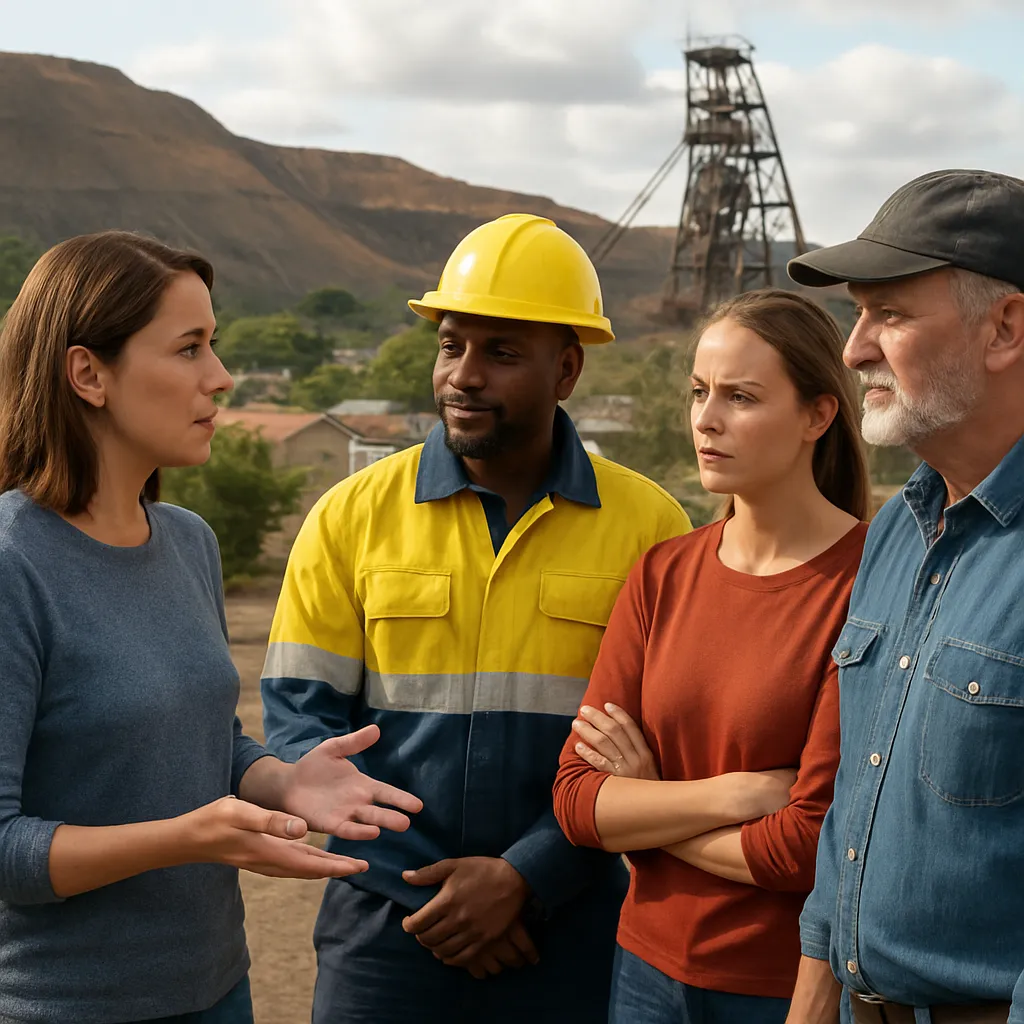
- Shifting watersheds demand continuous monitoring of water quality to avoid contamination of rivers and wetlands critical for indigenous communities.
These factors not only impact the pace of discovery but also elevate risks associated with heavy machinery operating on weakened subgrades. Companies must therefore invest in advanced geotechnical modeling and geophysical surveys to predict and mitigate ground failure.
Technological Adaptations and Innovative Approaches
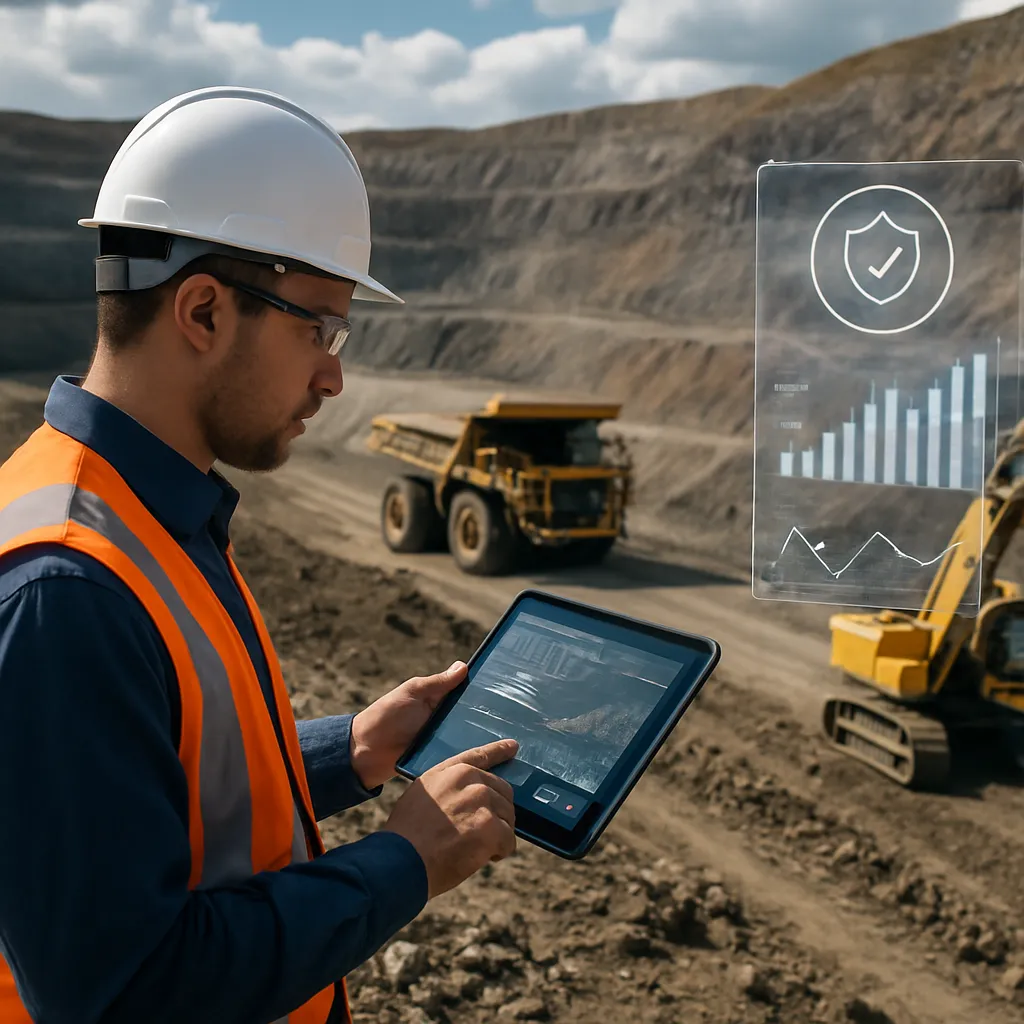
In response to more volatile conditions, exploration firms are deploying cutting-edge solutions. Drones equipped with multi-sensor packages now map inaccessible slopes without disturbing fragile soils. Accessibility is further enhanced by modular, low-impact camps that can be disassembled quickly to follow vanishing ice roads or retreat before spring thaws. Key innovations include:
- Geothermal ground-penetrating radar to detect ore bodies at depth even when surface markers are obscured by vegetation or snow.
- Autonomous drilling rigs powered by hybrid diesel-electric engines, reducing both carbon footprint and reliance on vulnerable fuel convoys.
- Layered AI-driven analytics that integrate real-time weather models, satellite imagery, and historical geological data to optimize drilling targets in a changing climate.
Such approaches not only lower environmental impact but also enhance logistics resilience. By investing in portable micro-grids and solar array kits, firms can reduce their carbon footprint while powering remote outposts year-round, even as traditional ice bridges disappear.
Strategic and Economic Implications for Global Supply Chains
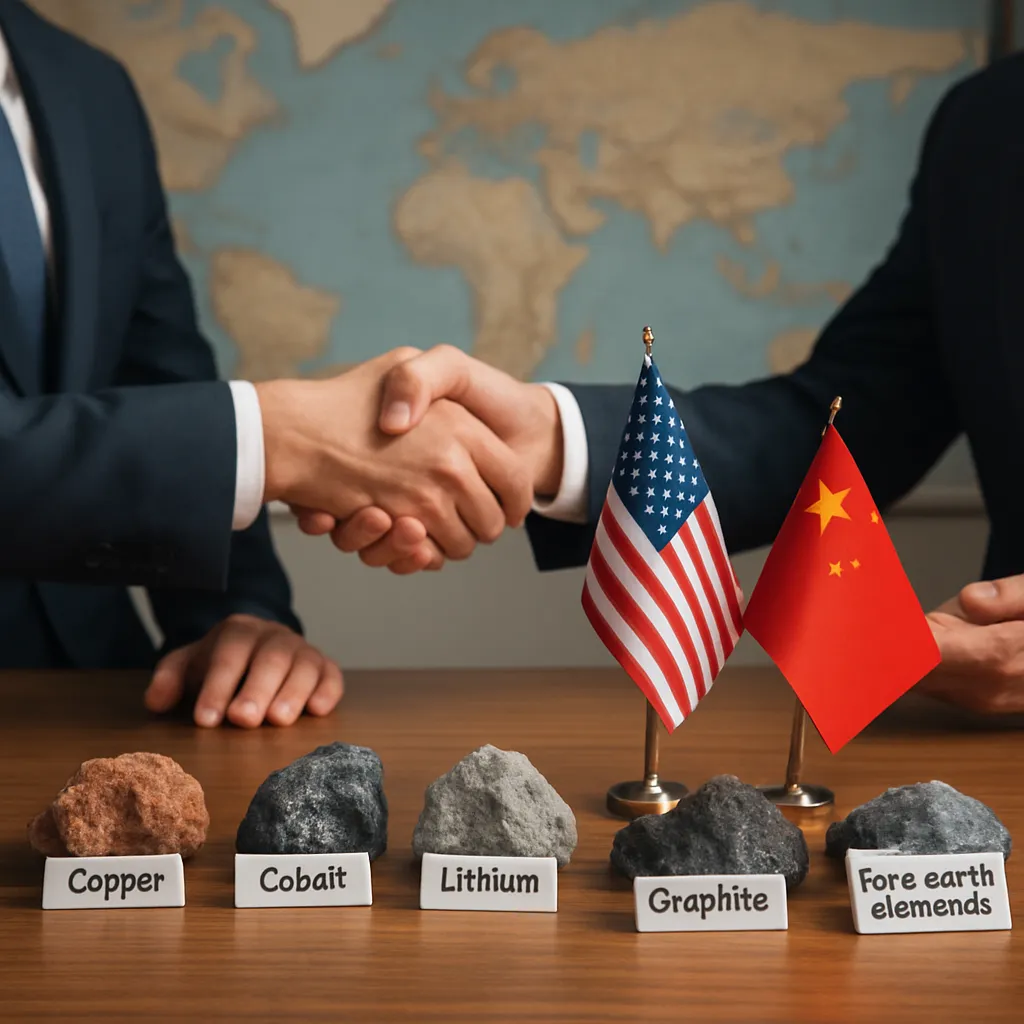
The convergence of climate dynamics and mineral scarcity underscores the fragile balance in international supply chains. Nations and corporations are reevaluating risk portfolios for critical metals used in electric vehicles, wind turbines, batteries, and semiconductors. Key considerations include:
- Geopolitical competition in newly accessible zones, such as the Arctic, where biodiversity and indigenous rights demands heighten scrutiny on project approvals.
- Volatility in exploration costs driven by unpredictable weather delays and emergency response liabilities.
- The strategic need to diversify sources of cobalt, lithium, and nickel to avoid concentration risks in politically unstable regions.
To mitigate these threats, stakeholders are forging alliances between mining companies, governments, and research institutions. Joint ventures aim to share data from environmental sensors and early-warning systems, ensuring that supply of critical supply chains remains uninterrupted. Moreover, financial institutions are increasingly tying project financing to demonstrable sustainability metrics, pushing explorers to adopt best practices in carbon management and community consultation.
Outlook for Future Exploration
Looking ahead, emerging trends suggest that the most successful mineral explorers will be those who harness predictive climate models, invest in low-impact technologies, and integrate traditional ecological knowledge from local communities. Balancing the race for rare metals with a commitment to environmental stewardship and social responsibility will define the next frontier of resource discovery. In this evolving landscape, resilience and adaptability are as valuable as the ore bodies themselves.