The rising importance of rare metals in high-tech industries has propelled the search for effective and scalable recycling solutions. As the global demand for lithium, cobalt, nickel, and platinum-group elements surges, innovative methods are emerging to ensure resource recovery and promote a circular economy. This article explores the current state of technology in rare metal recycling, highlighting breakthroughs that redefine efficiency, cost-effectiveness, and environmental responsibility.
Global Distribution and Demand Dynamics
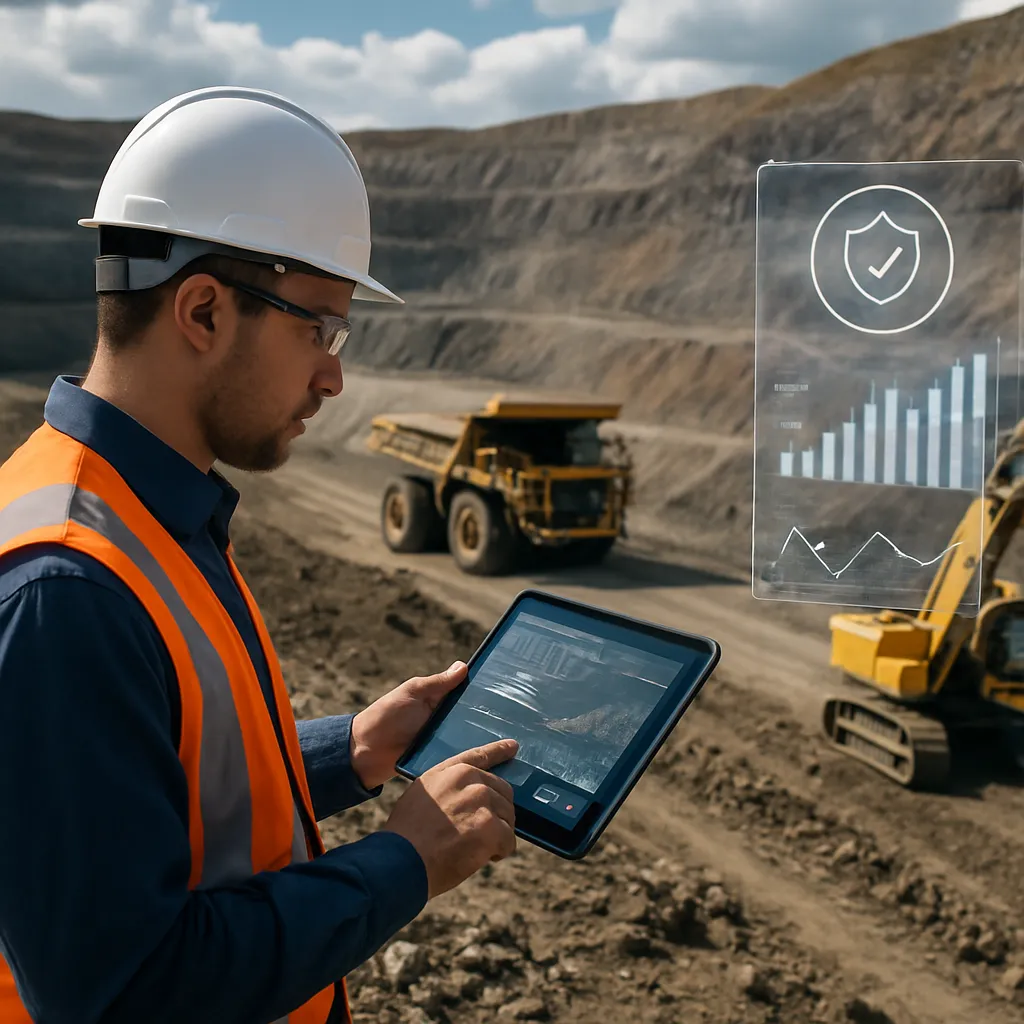
The extraction of rare metals remains concentrated in a handful of countries, with the Democratic Republic of Congo dominating cobalt production and Australia leading in rare earth oxide output. Emerging markets, particularly in East Asia, have escalated consumption due to their booming electronics and green energy sectors. Meanwhile, the automotive industry’s shift toward electric vehicles intensifies the hunt for high-purity lithium and nickel. Market projections forecast a doubling of lithium demand by 2030, driven primarily by battery manufacturing.
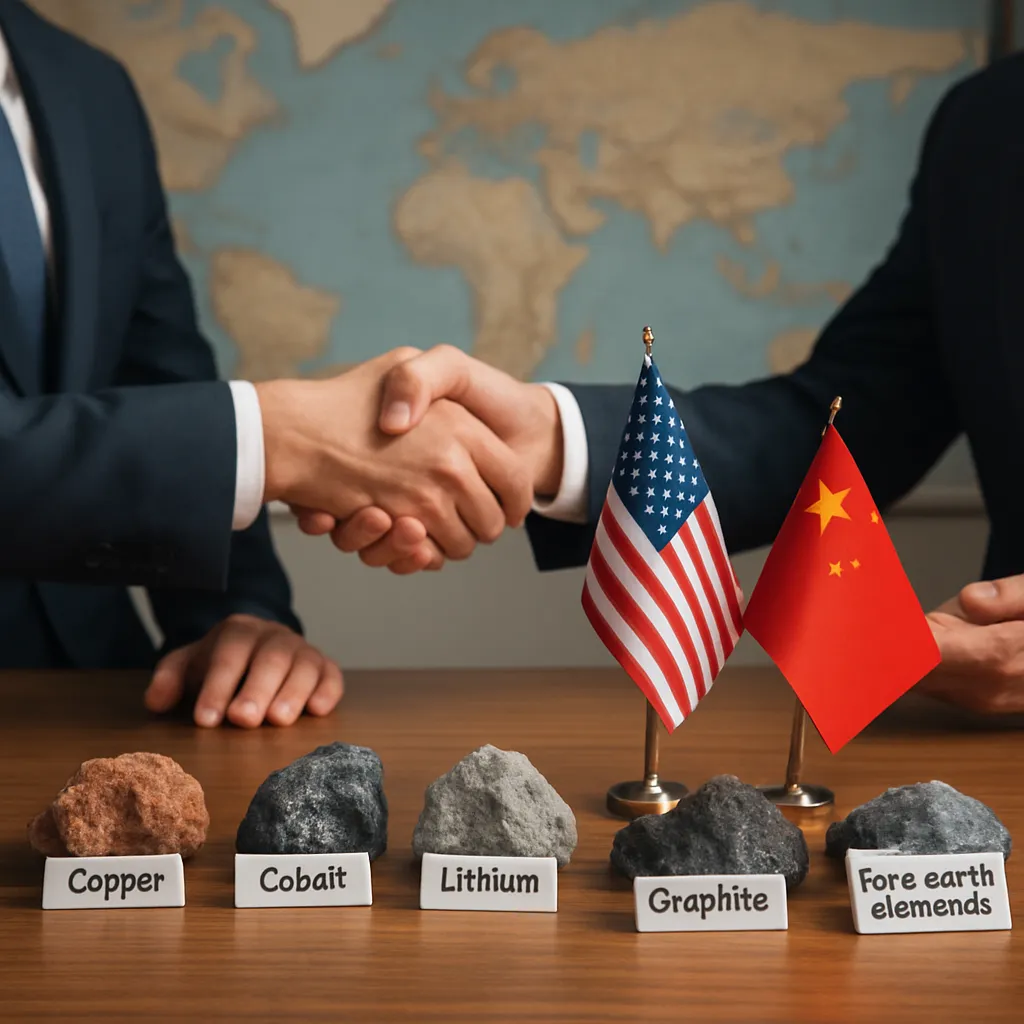
Such geographic concentration heightens supply chain risks. Geopolitical tensions, trade disputes, and export restrictions can quickly disrupt access to critical raw materials. Consequently, recycling rare metals becomes vital to reduce dependency on primary mining. A robust recycling infrastructure mitigates price volatility and fosters resource resilience.
At the same time, demand-side innovations—like solid-state batteries—could reshape metal requirements. These technological shifts underscore the need for adaptable recycling processes that can handle evolving material compositions.
Innovations in Recycling Technologies
Hydrometallurgical Processes
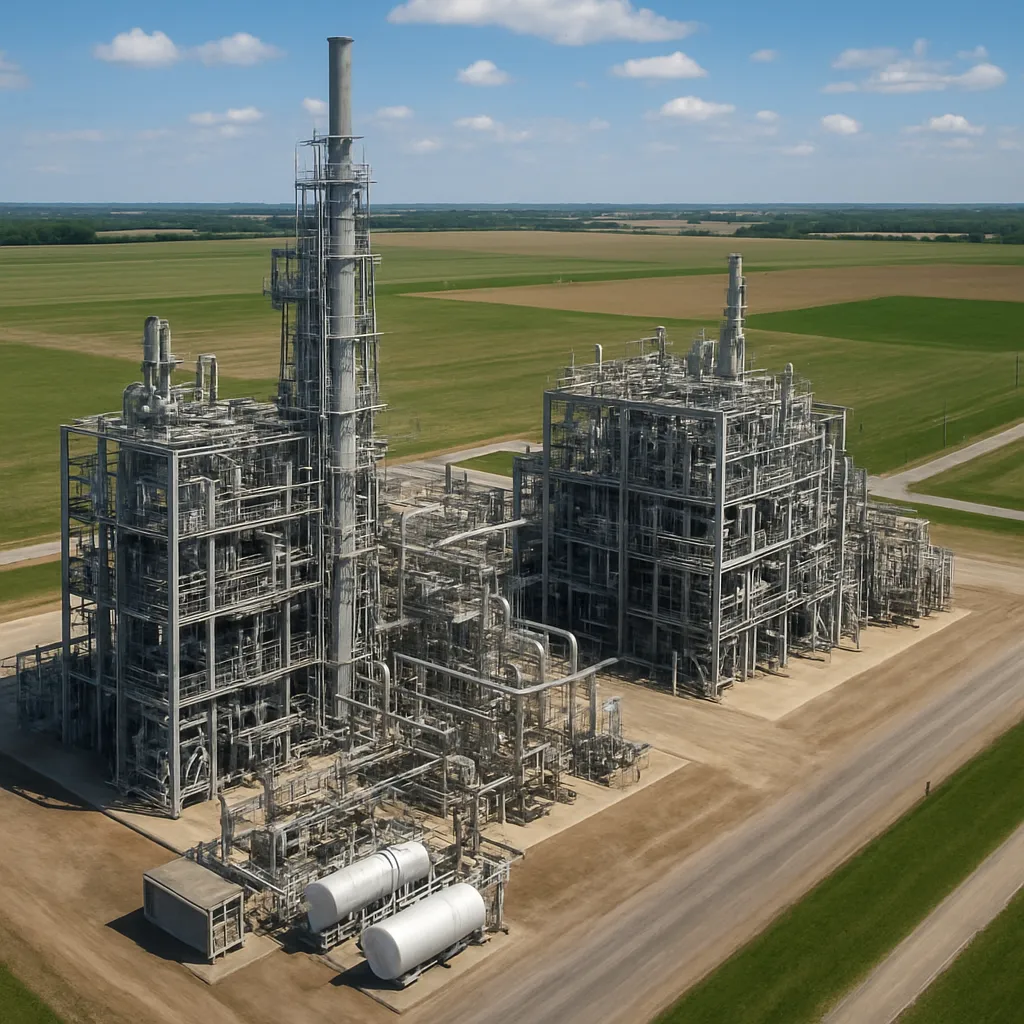
Hydrometallurgy has emerged as a leading method for metal recovery. By dissolving concentrated feedstocks in acidic or alkaline solutions, target metals can be separated through selective precipitation, solvent extraction, or ion exchange. Recent advances include:
- High-selectivity solvent extraction agents that distinguish cobalt from nickel with minimal cross-contamination.
- Bioleaching techniques employing microorganisms to metabolize and solubilize metals from battery scrap, reducing chemical usage.
- Electric field-assisted leaching that accelerates dissolution rates, cutting recovery times by up to 40%.
Pyrometallurgical and Hybrid Approaches
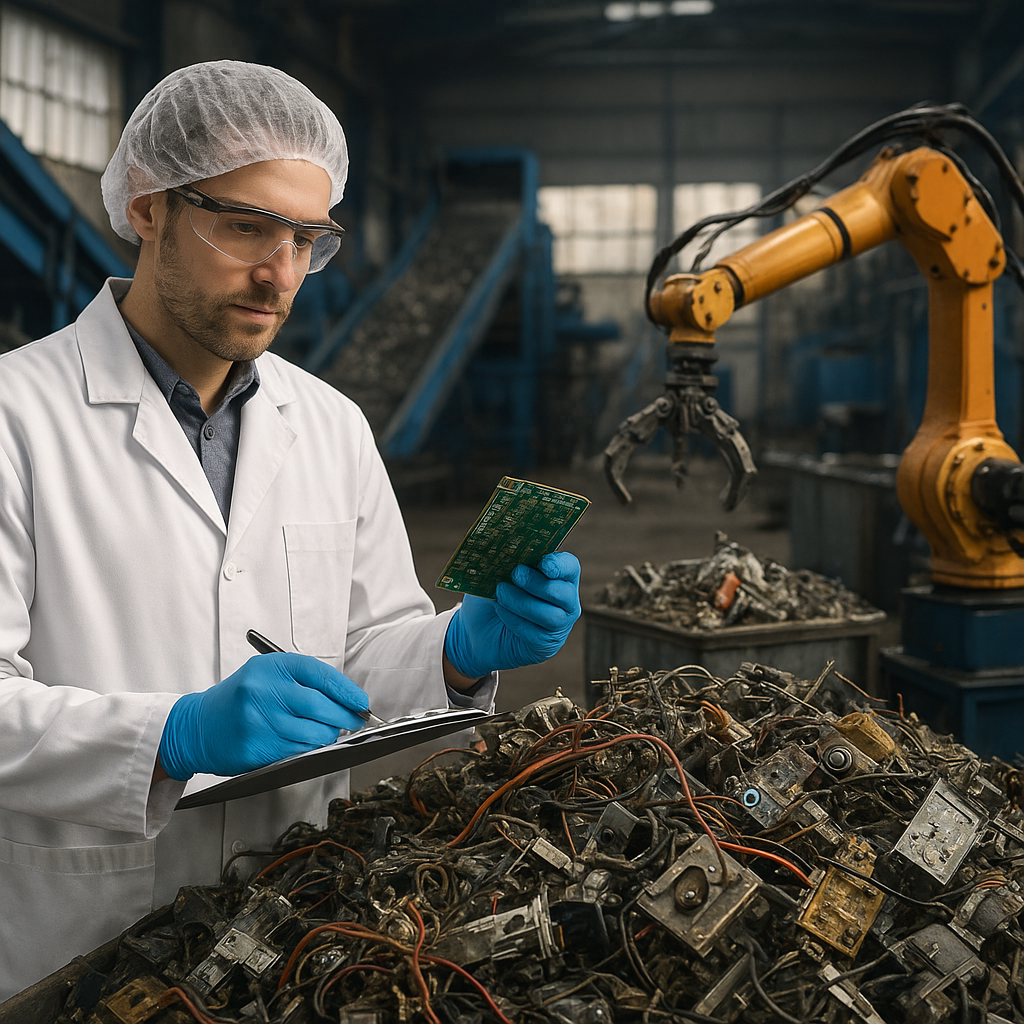
Traditional high-temperature smelting remains relevant for processing electronic waste. Innovations in furnace design and off-gas treatment have decreased energy consumption and pollutant emissions. Hybrid systems integrate hydrometallurgy and pyrometallurgy: materials undergo an initial smelting step to concentrate metals, followed by hydrometallurgical refining to achieve high-purity fractions.
- Flash smelting combined with rapid quenching to enhance metal segregation.
- Plasma arc furnaces that achieve ultra-high temperatures with reduced carbon footprints when paired with green electricity sources.
Electrochemical and Physical Separation Techniques
Electrochemical recovery methods leverage electrodeposition to selectively plate precious metals onto cathodes. This approach is particularly effective for platinum, palladium, and gold recovery from catalytic converter materials. Physical separation advancements involve:
- Laser-induced breakdown spectroscopy (LIBS) for rapid, in-line composition analysis of shredded e-waste.
- Density-based sorting using fluidized beds to concentrate heavy metal fractions before chemical treatment.
Challenges and Economic Considerations
Although technological progress accelerates recovery yields, several obstacles remain. The heterogeneous nature of end-of-life products complicates process standardization. Batteries, electronics, and industrial catalysts vary in alloy composition, coating materials, and residual electrolytes. Developing adaptable processing lines requires significant capital investment.
Operating costs are sensitive to energy prices and reagent availability. Hydrometallurgical plants must secure a reliable supply of acids and complexing agents, which can be subject to environmental regulations or import tariffs. Moreover, the disposal of spent leachates and slags necessitates robust waste management strategies to prevent secondary pollution.
Economic feasibility often depends on scale. Small-scale facilities face higher per-unit processing costs, making them less competitive. Collaborative models—where multiple stakeholders share feedstock and infrastructure—are emerging to achieve economies of scale. Such partnerships may involve:
- Electronics manufacturers supplying post-consumer scrap.
- Battery producers investing in closed-loop systems.
- Recycling firms integrating digital tracking to ensure material flow transparency.
Regulatory Frameworks and Sustainability Metrics
Governments worldwide are tightening rules on e-waste and end-of-life vehicles. The European Union’s Battery Regulation mandates minimum recycled content for newly produced batteries, driving demand for secondary raw materials. In the United States, the Inflation Reduction Act includes incentives for domestic critical mineral sourcing and recycling projects. These policies aim to align economic growth with environmental stewardship.
Standardized sustainability metrics help stakeholders assess the performance of recycling operations. Life cycle assessment (LCA) tools quantify greenhouse gas emissions, water usage, and energy consumption across the recycling chain. By benchmarking these indicators, companies can identify process hotspots and implement targeted improvements.
Extended producer responsibility (EPR) schemes shift the cost burden of disposal to manufacturers, encouraging product designs that facilitate disassembly and material retrieval. As a result, design-for-recycling principles are increasingly adopted in consumer electronics and automotive battery packs.
Future Perspectives in Rare Metal Lifecycle
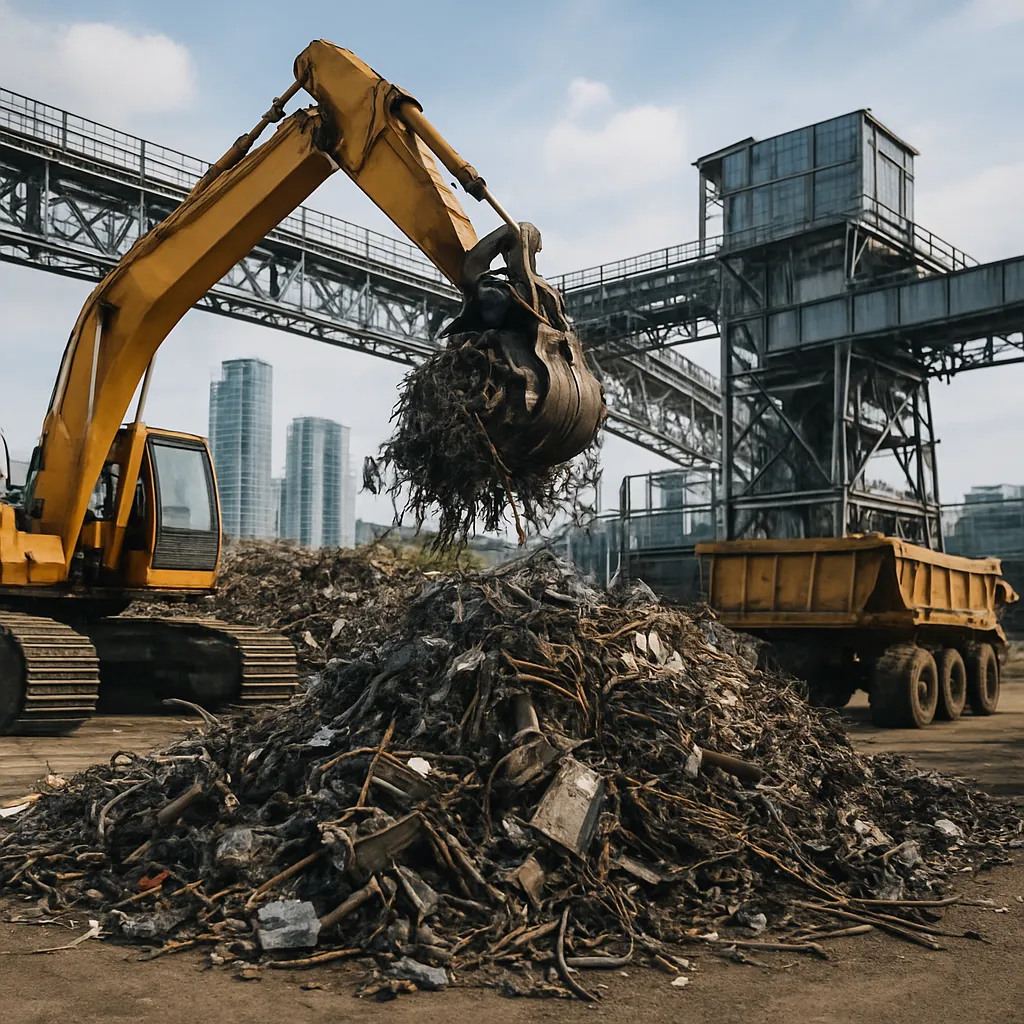
Emerging concepts such as urban mining envision cities as vast repositories of valuable metals embedded in our everyday devices. Automated sorting robots, powered by machine learning algorithms, are set to revolutionize the preprocessing of complex waste streams. In parallel, novel reductive bioelectrochemical systems show promise for low-energy metal recovery.
Bridging digital and physical domains, blockchain platforms offer immutable tracking of material provenance, ensuring that recycled metals meet ethical sourcing standards. Incentivized by carbon credits and green bonds, investors are channeling capital into next-generation recycling startups.
The convergence of these technological, regulatory, and financial drivers positions rare metal recycling at the forefront of the green transition. As the world advances toward net-zero targets, efficient reclamation of critical elements will underpin sustainable innovation and global economic resilience.