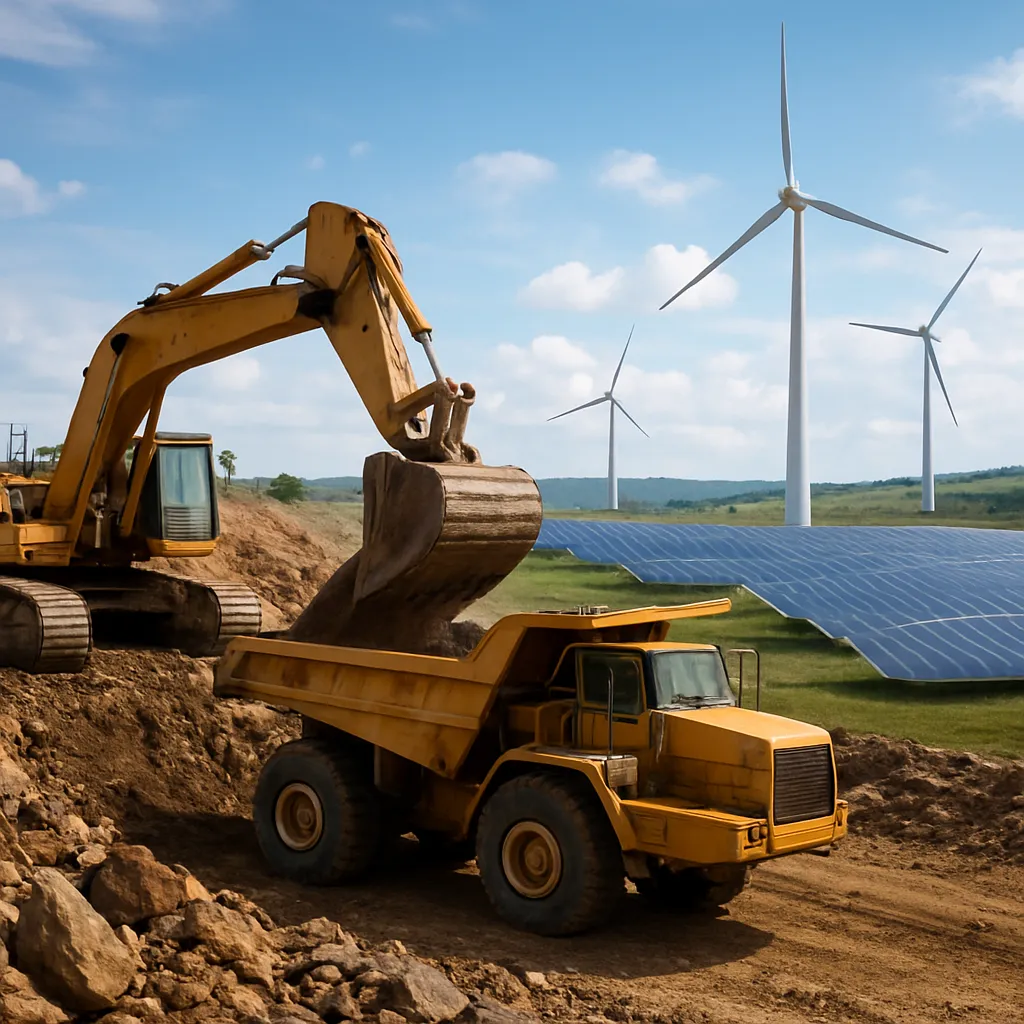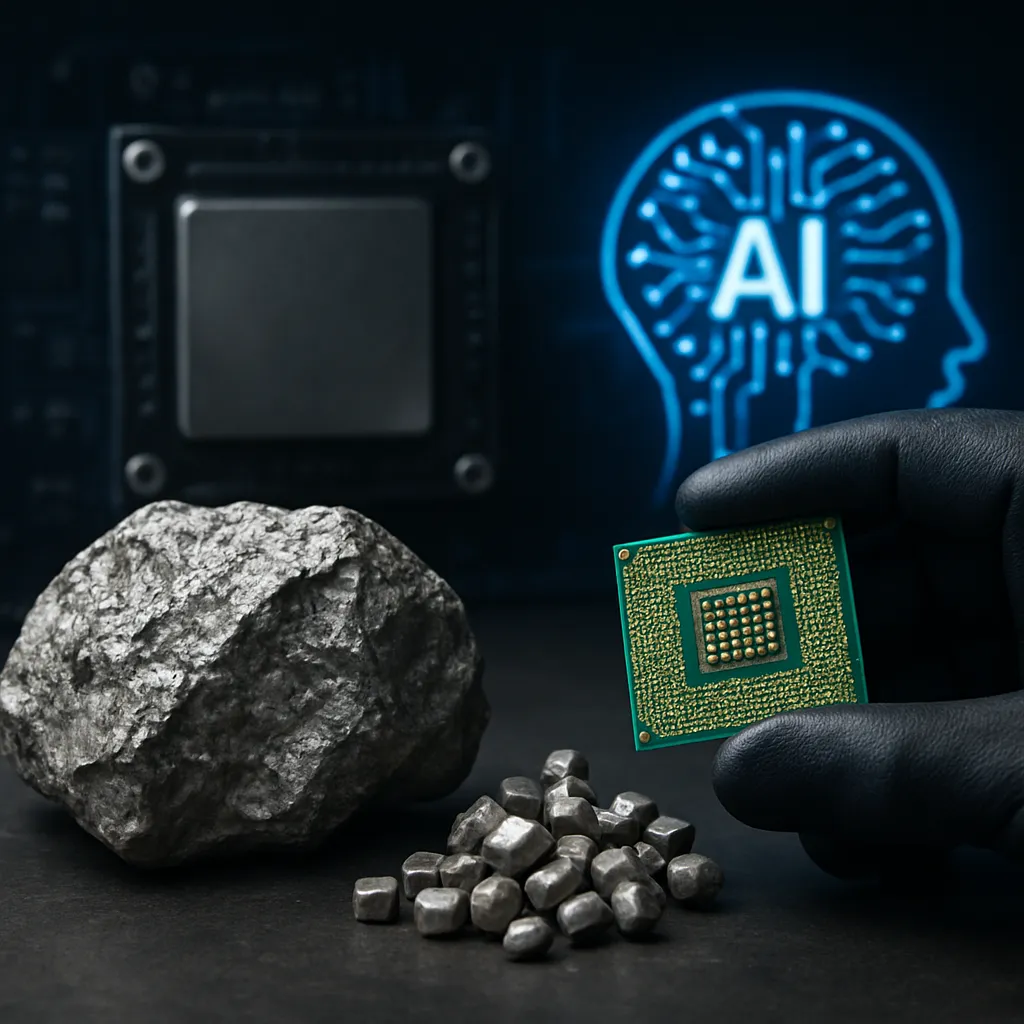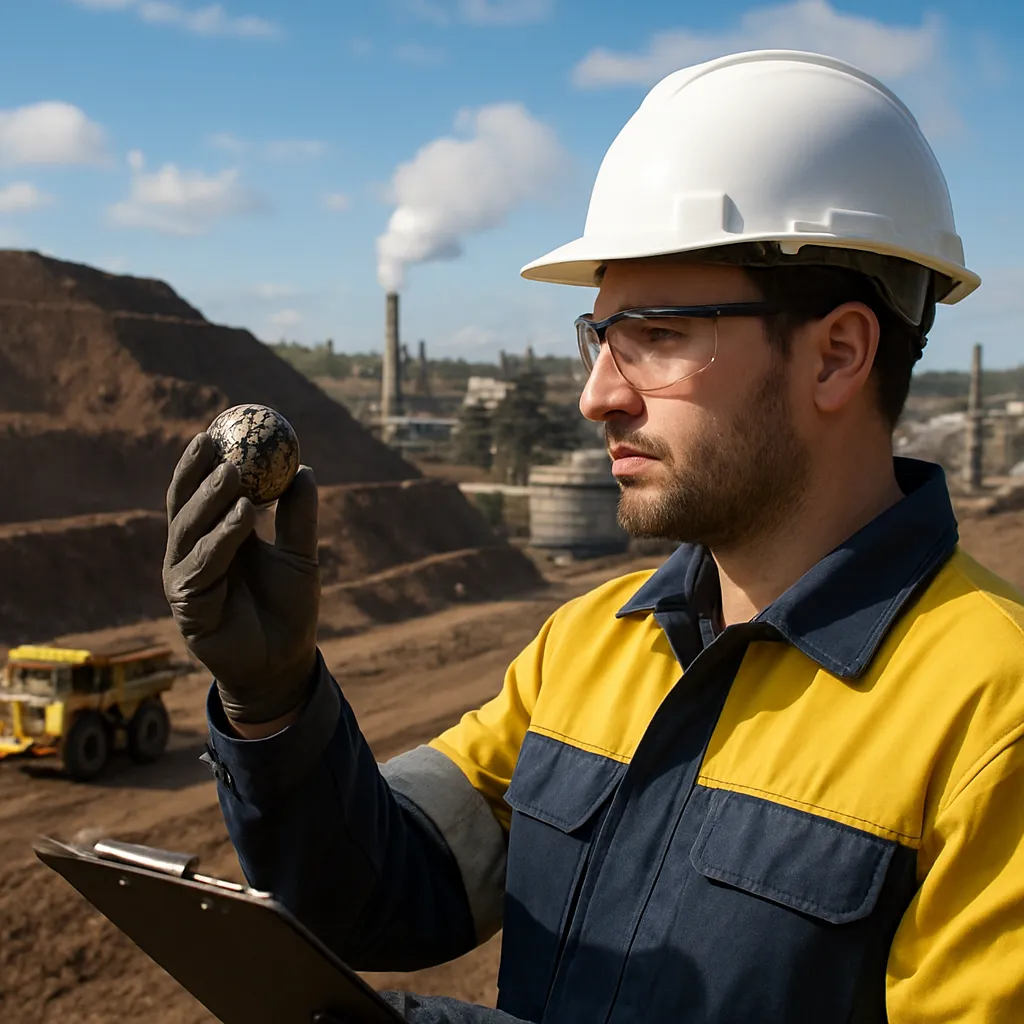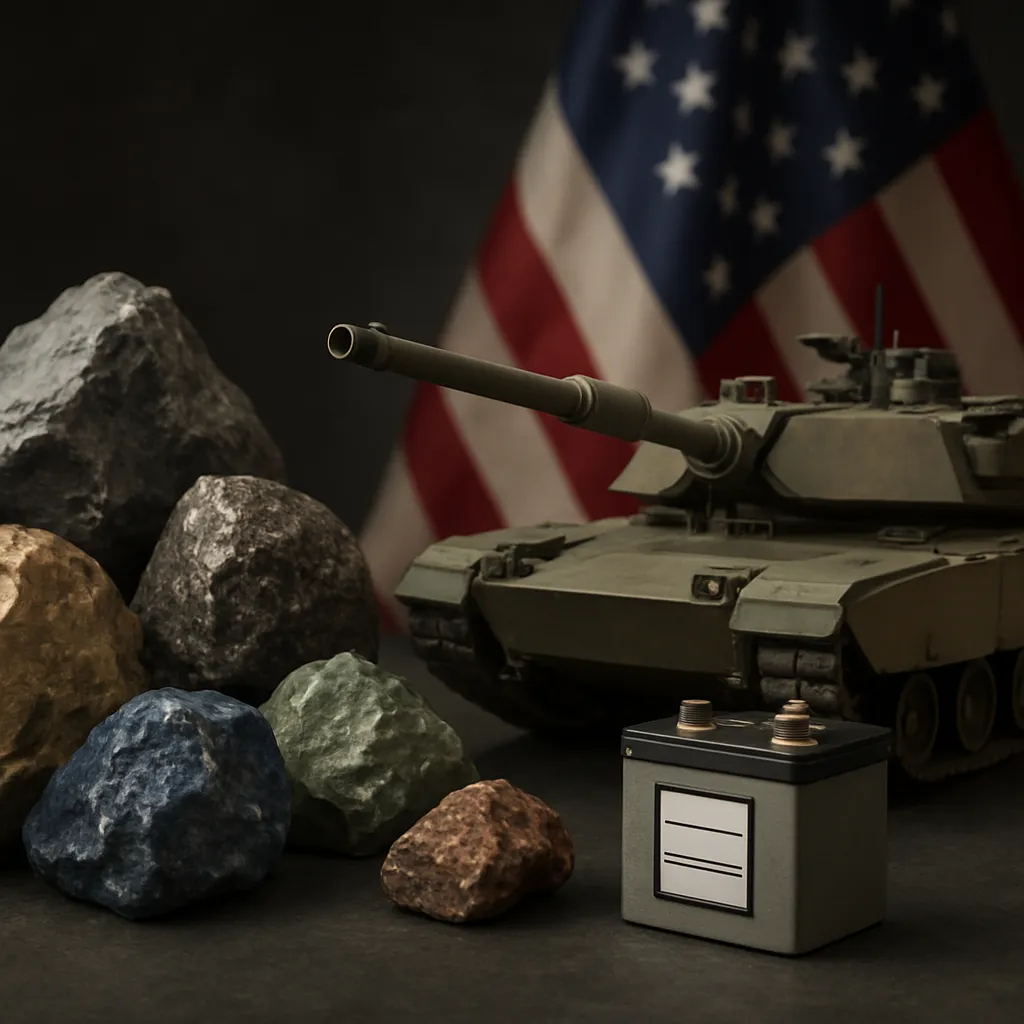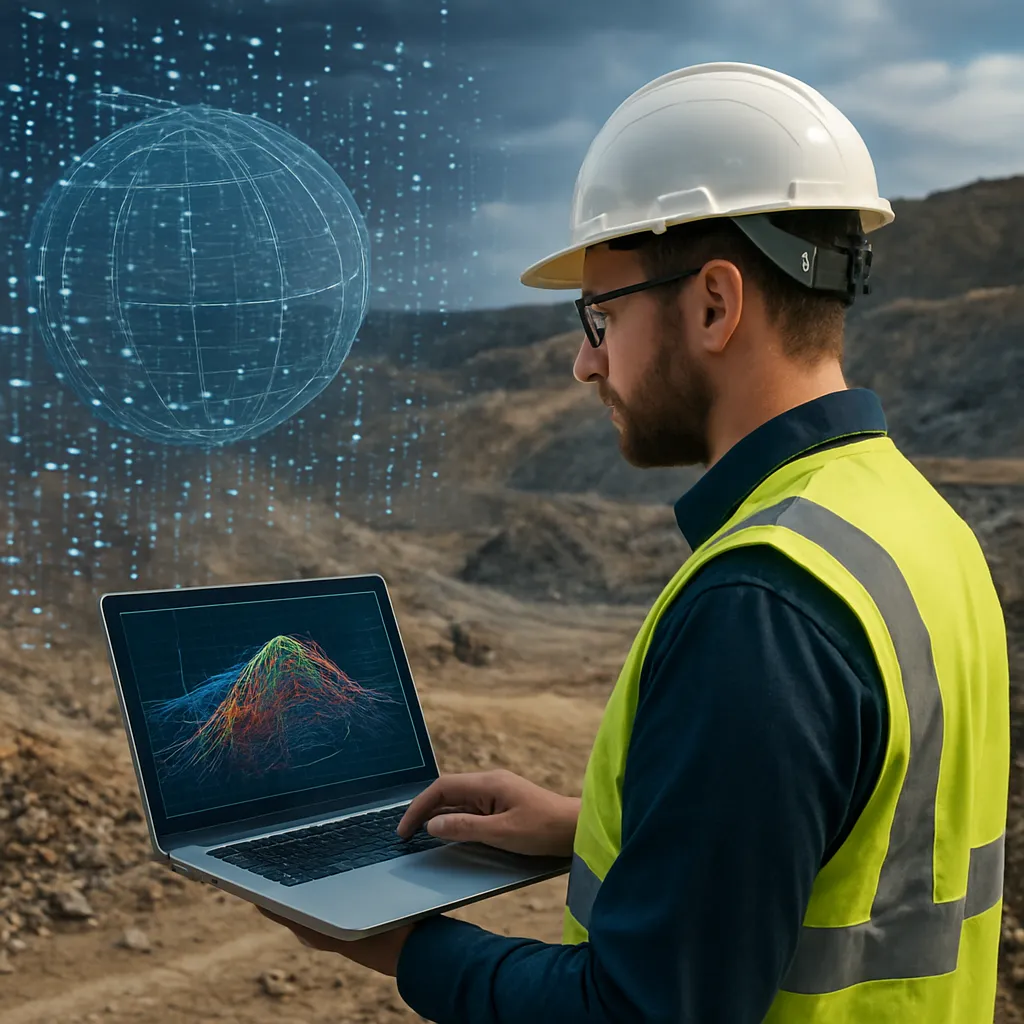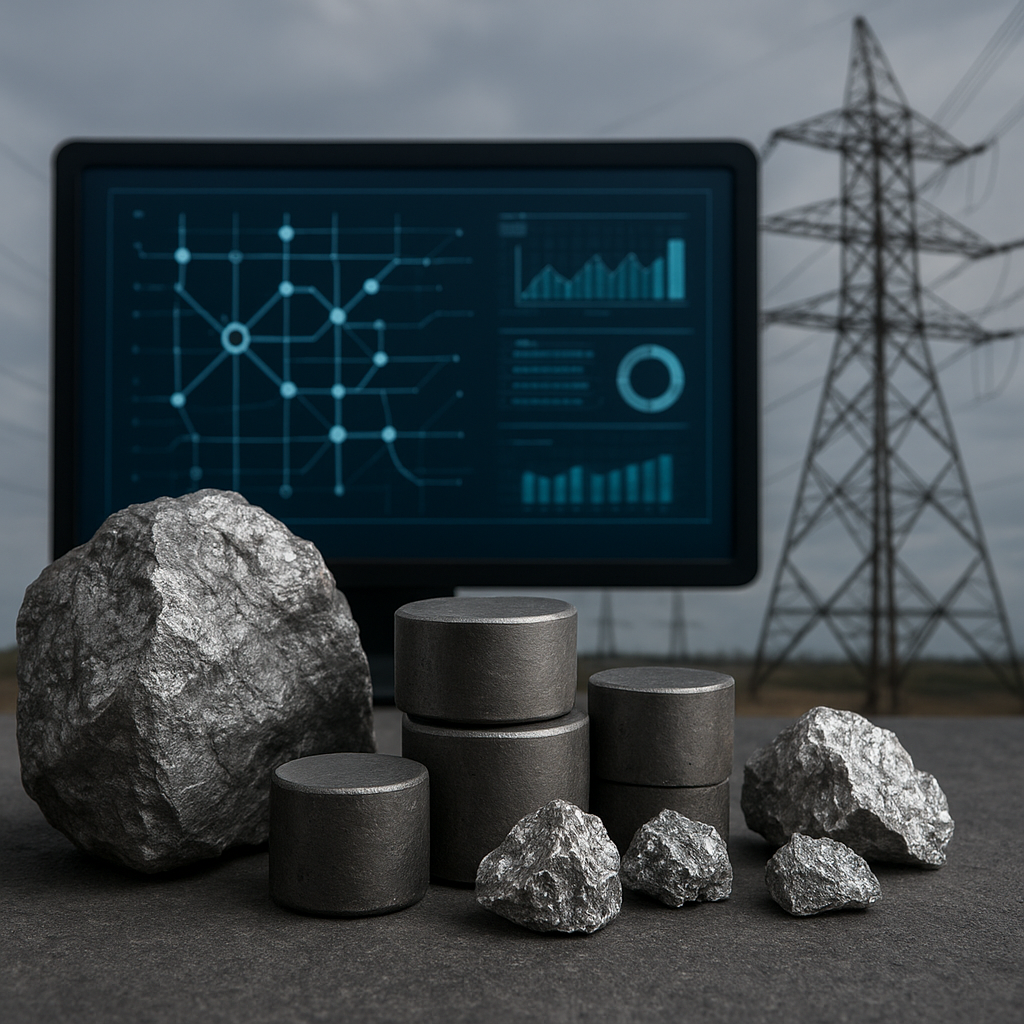
As global energy systems undergo a profound transformation toward digitalization and decarbonization, a suite of rare metals has emerged as the cornerstone of next-generation infrastructure. From high-capacity batteries to advanced power converters and compact permanent magnets, these critical resources are reshaping the landscape of modern energy, telecommunications, and transportation. This article explores the multifaceted roles of these elements, examines the evolving supply chain dynamics, and highlights innovative approaches to ensure sustainability and resource security.
Essential Functions of Rare Metals
High-Energy Batteries and Electrification
As the world accelerates toward widespread electrification of vehicles and grid storage, the demand for metal-intensive battery chemistries has skyrocketed. Key actors include:
- Lithium: A cornerstone of lithium-ion cells, prized for its light weight and high electrochemical potential.
- Cobalt: Enhances thermal stability and energy density but raises concerns over ethical sourcing.
- Nickel: Offers high capacity and cycle life, prompting shifts toward nickel-rich cathodes.
These metals enable batteries to deliver greater range, faster charging, and extended lifespans. Meanwhile, advances in solid-state and silicon anode technologies seek to further optimize energy density and safety, yet continue to rely on metal components like rare earth elements for their robust performance.
Permanent Magnets and Power Conversion
Compact, high-performance motors and generators in wind turbines, electric vehicles, and robotics depend on neodymium and praseodymium to produce strong, lightweight magnets. The favorable magnetic properties of these materials allow:
- Improved torque-to-weight ratios in electric motors.
- Reduced reliance on heavy iron-based machines in renewables.
- Enhanced precision in servo systems and data-center cooling.
Rare metals such as dysprosium and terbium are added to increase resistance to high temperatures, ensuring stable performance under demanding operational conditions.
Global Supply and Demand Dynamics
Geopolitical Concentration of Resources
The extraction and processing of critical metals are highly concentrated in a few regions, presenting potential vulnerabilities:
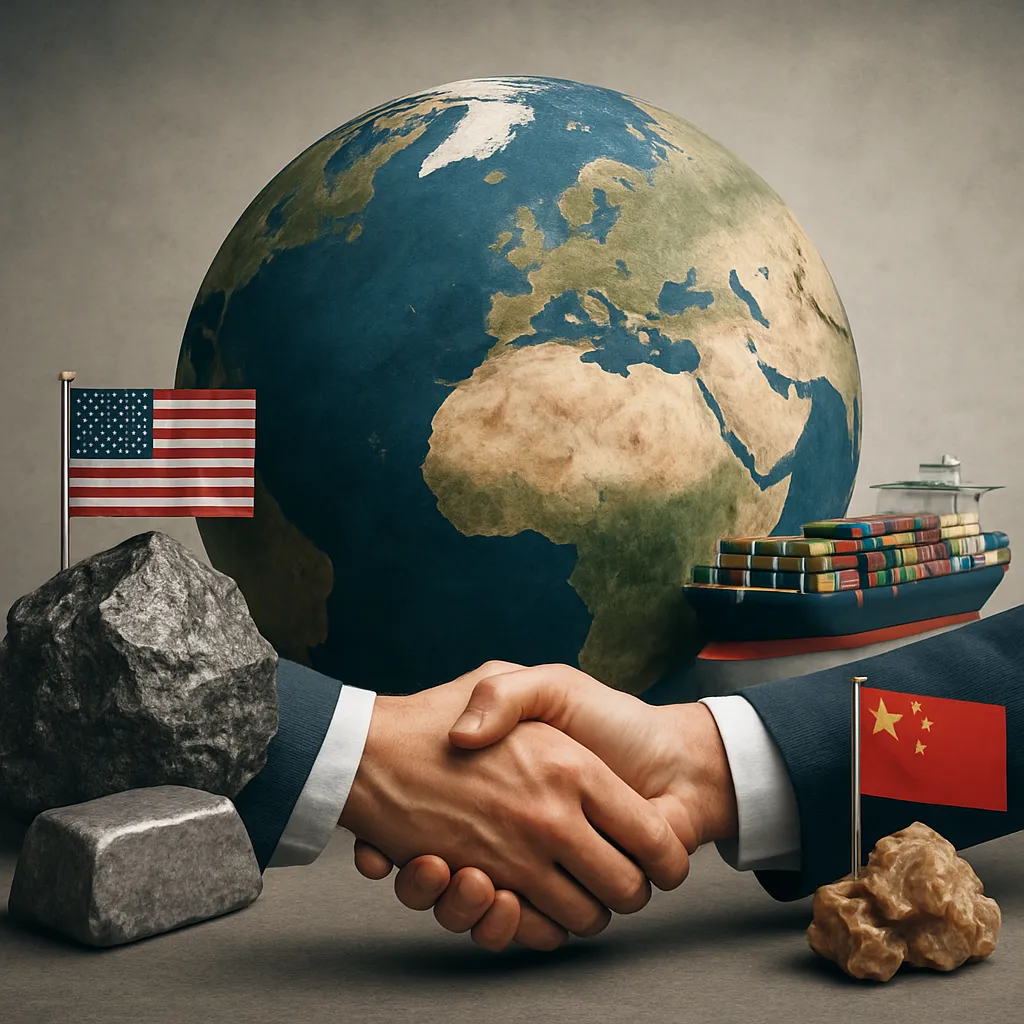
- China accounts for over 80% of global refined rare earth elements.
- The Democratic Republic of Congo supplies more than 60% of mined cobalt, often under controversial labor conditions.
- Australia and Chile dominate lithium production, but limited refining capacity often shifts further processing abroad.
Such concentration amplifies geopolitical risks and price volatility. Trade tensions, export restrictions, or civil unrest can disrupt the flow of raw materials, potentially stalling critical infrastructure projects worldwide.
Market Trends and Price Fluctuations
Over the past decade, surging demand for electric vehicles and renewable energy systems has driven sharp price increases:
- Lithium carbonate prices have quadrupled, reflecting strained supplies and speculative trading.
- Cobalt spot prices spiked amid supply concerns, though recent battery chemistries aim to reduce cobalt fractions.
- Nickel markets have grown more volatile due to surging stainless steel demand and anticipated battery-grade requirements.
Speculative investment, regulatory shifts, and technological breakthroughs continue to influence market dynamics. Producers are racing to expand mines, while refiners invest in capacity to convert concentrate into battery-grade salts and metals.
Technological Innovations and Recycling Strategies
Advanced Extraction and Processing
To mitigate environmental impacts and reduce reliance on traditional mining, researchers are developing novel techniques:
- Hydrometallurgical processes that recover metals from low-grade ores with reduced water usage.
- Bioleaching, using microorganisms to extract metals like nickel and cobalt from sulfide ores.
- Direct lithium extraction (DLE), which isolates lithium from brine reservoirs with minimal brine loss.
These methods aim to lower carbon footprints, limit tailings, and address local water scarcity concerns in mining regions.
Urban Mining and Recycling
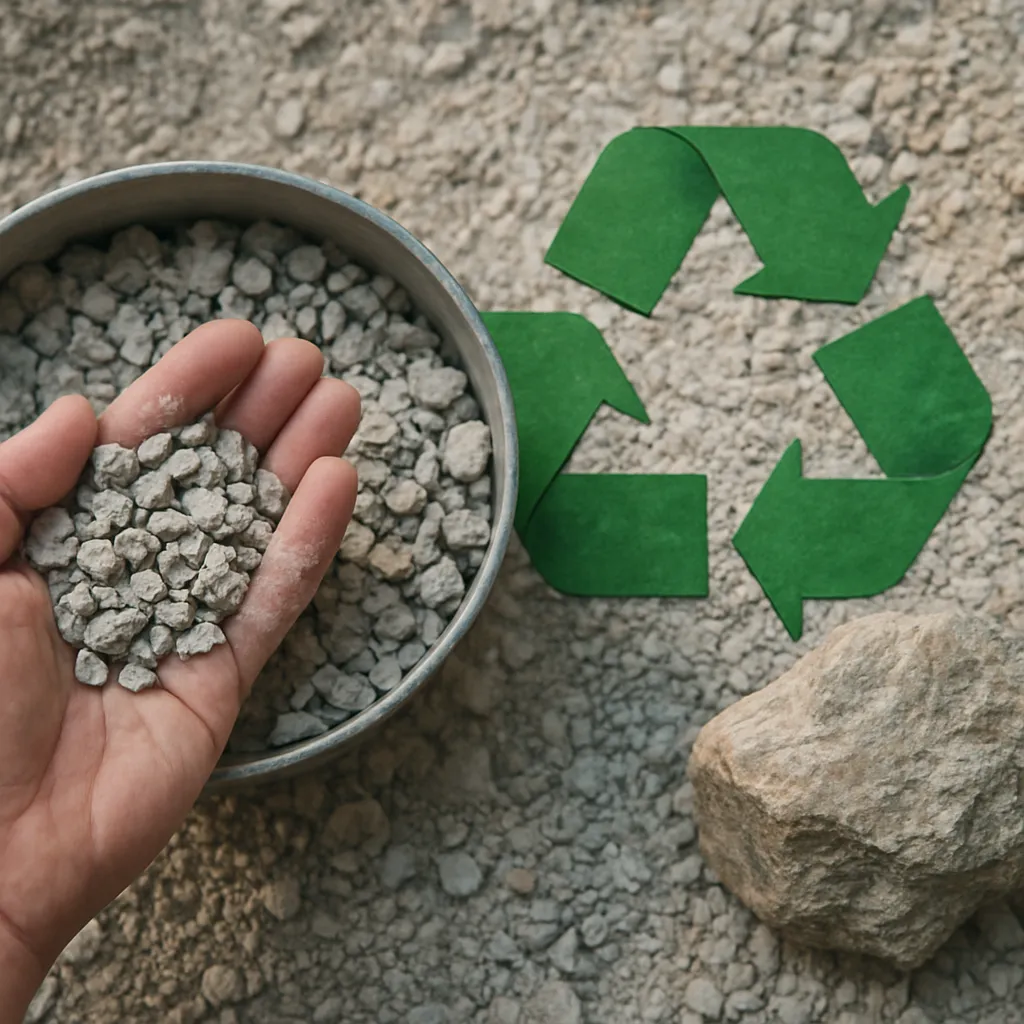
End-of-life electronics and spent batteries are emerging as significant secondary sources of critical metals. Urban mining initiatives focus on:
- Automated disassembly lines to recover magnet materials from hard-disk drives and e-motors.
- Sustainable hydrometallurgical systems to extract rare earth elements and cobalt from battery black mass.
- Closed-loop designs that enable easy separation of alloys and polymers, boosting recovery rates above 90% for some metals.
Scaling up recycling infrastructure promises to alleviate supply pressures, reduce environmental burdens, and foster a more circular resource economy.
Environmental and Ethical Considerations
Social Responsibility in Mining
As the appetite for critical metals grows, so do concerns about human rights and ecological integrity in mining hotspots. Industry stakeholders are adopting:
- Stringent due-diligence protocols to avoid funding armed conflicts.
- Community engagement programs that secure local consent and share benefits.
- Restoration and biodiversity offset plans to rehabilitate mined landscapes.
Certification schemes, such as the Initiative for Responsible Mining Assurance (IRMA), aim to standardize best practices and drive transparency.
Life-Cycle Assessments and Carbon Footprints
Comprehensive life-cycle analyses quantify the greenhouse gas emissions associated with each stage—from ore extraction to battery assembly and recycling. Notable findings include:
- Mining-intensive processes can account for over 50% of total emissions in some battery systems.
- Renewable-energy-powered operations, particularly in smelting and refining, dramatically reduce carbon footprints.
- Transportation logistics, especially international shipping of concentrates, add significant emissions if not optimized.
Integrating renewable energy at mine sites and refining hubs, as well as promoting local processing, can yield substantial carbon savings.