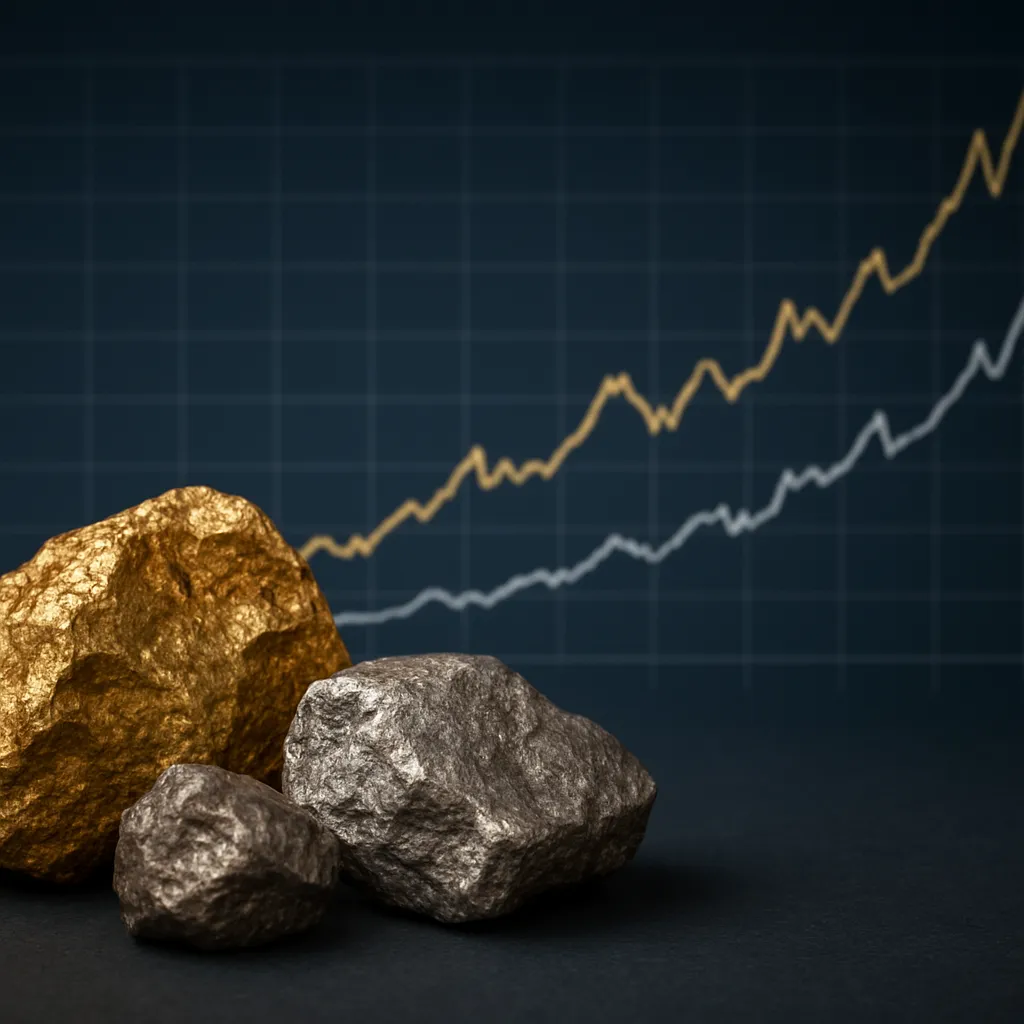
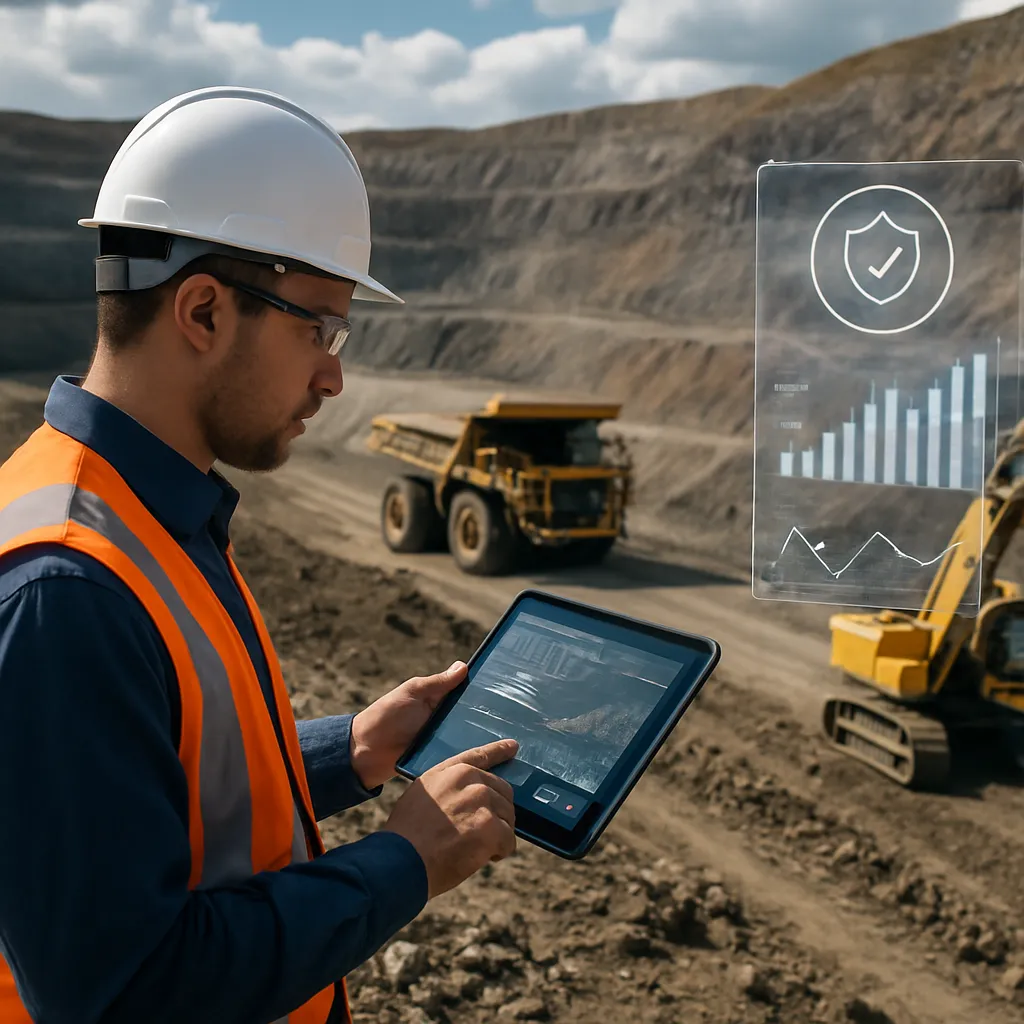
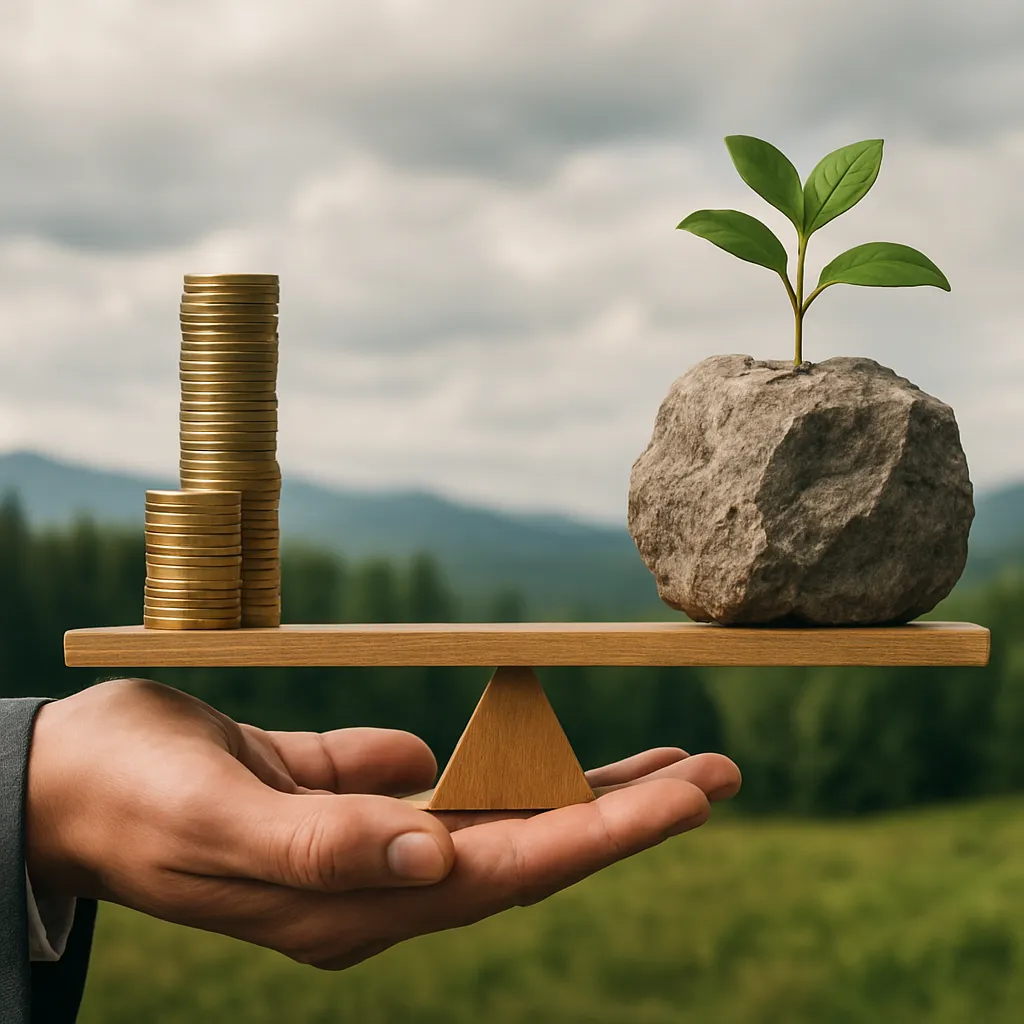
The global shift towards decarbonization has thrust the spotlight onto rare metals, with lithium at the forefront of this transformation. As demand from battery manufacturers and the electric vehicles sector soars, producers and policymakers confront unprecedented challenges. This article examines the evolving landscape of supply chain dynamics, explores cutting-edge extraction and recycling methods, and highlights the critical nexus of geopolitics and sustainability in shaping the next chapter of global lithium production.
Global Landscape of Lithium Production
The past decade has witnessed a dramatic increase in lithium output, driven by the proliferation of portable electronics and the rapid rise of electric vehicles. Traditional powerhouses like Australia, Chile, and China continue to dominate, accounting for over 75% of current production. However, new entrants from Africa, Europe, and North America are staking their claims in the race to secure future supplies.
- Australia: Leading producer, primarily from hard-rock spodumene mines.
- Chile: Home to vast brine deposits in the Salar de Atacama.
- China: Controls both domestic extraction and significant downstream processing capacity.
- Emerging players: Argentina, Canada, and Zimbabwe ramping up exploration efforts.
Regional Diversification
Efforts to diversify sources are motivated by concerns over geopolitics and resource security. Projects in the European Union aim to leverage domestic deposits, while North American initiatives seek to reduce reliance on imports from Asia and South America. Investment flows are increasingly targeting ultralow-carbon projects, reflecting a broader industry push towards carbon-neutral battery materials.
Emerging Technologies and Resource Development
Advances in extraction and processing promise to alleviate some supply constraints. Companies are piloting novel methods that could transform how lithium is harvested.
Alternative Extraction Methods
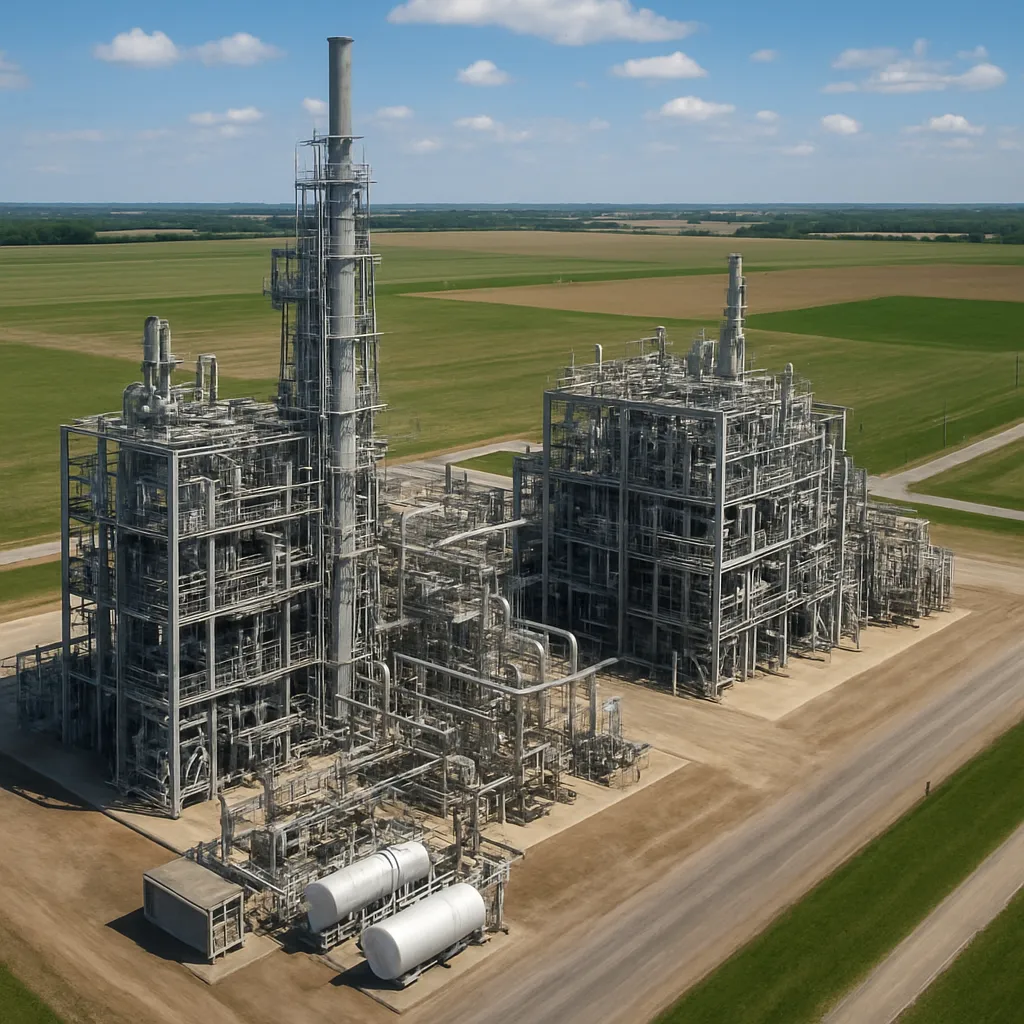
- Direct Lithium Extraction (DLE): Utilizes ion-exchange resins to recover lithium from brines with higher purity and lower water usage.
- Geothermal Brine Recovery: Integrates lithium extraction with geothermal power plants, offering a dual revenue stream and reduced environmental footprint.
- Hard-Rock Innovations: Enhanced hydrometallurgical techniques streamline spodumene processing, cutting energy consumption.
Battery Chemistry and Recycling
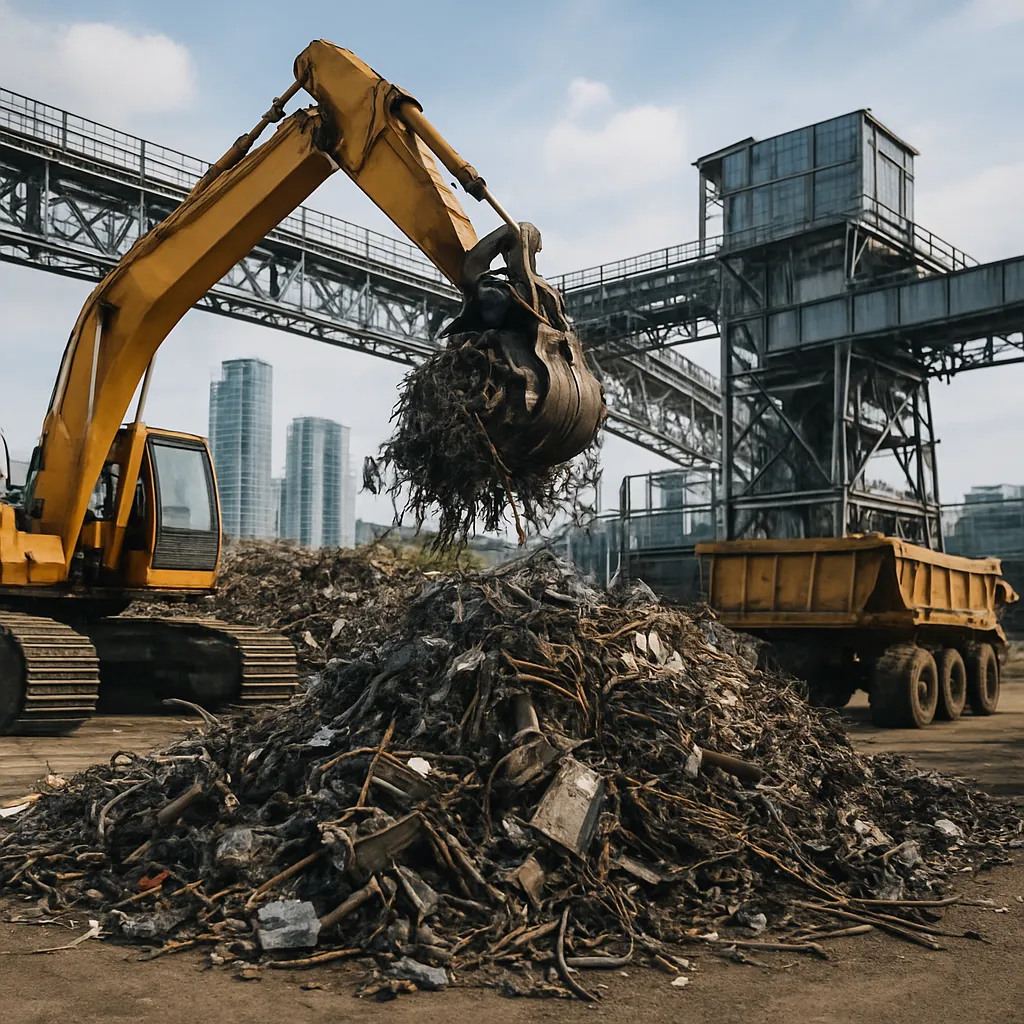
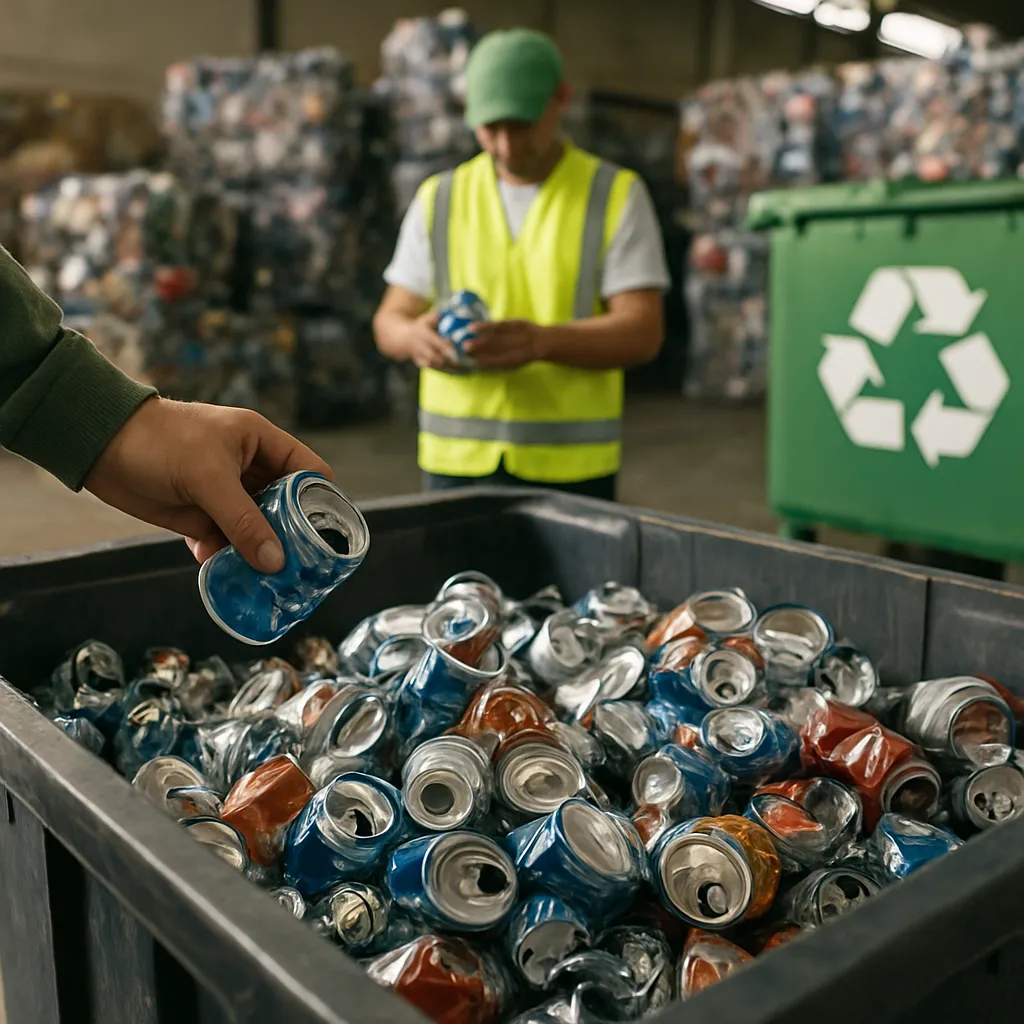
Forthcoming shifts in innovation are altering demand profiles. Solid-state batteries, with their promise of greater energy density, could change the ratio of lithium needed per kWh. Meanwhile, closed-loop recycling initiatives are gaining momentum. By recovering lithium, cobalt, and nickel from spent batteries, recyclers can supplement primary production, reduce waste, and minimize environmental impacts.
Environmental and Geopolitical Dimensions
The expansion of lithium operations is not without controversy. Concerns over water consumption, land disturbance, and community impacts have triggered regulatory reviews and local opposition.
Water and Land Use
Brine extraction in arid regions like Chile’s Atacama Desert can consume significant volumes of freshwater, aggravating local water stress. In Australia, open-pit mining disrupts habitats and necessitates large-scale rehabilitation efforts. To address these challenges, some operators are trialing sustainability-driven practices, such as water recycling, revegetation programs, and community benefit agreements.
Geopolitical Considerations
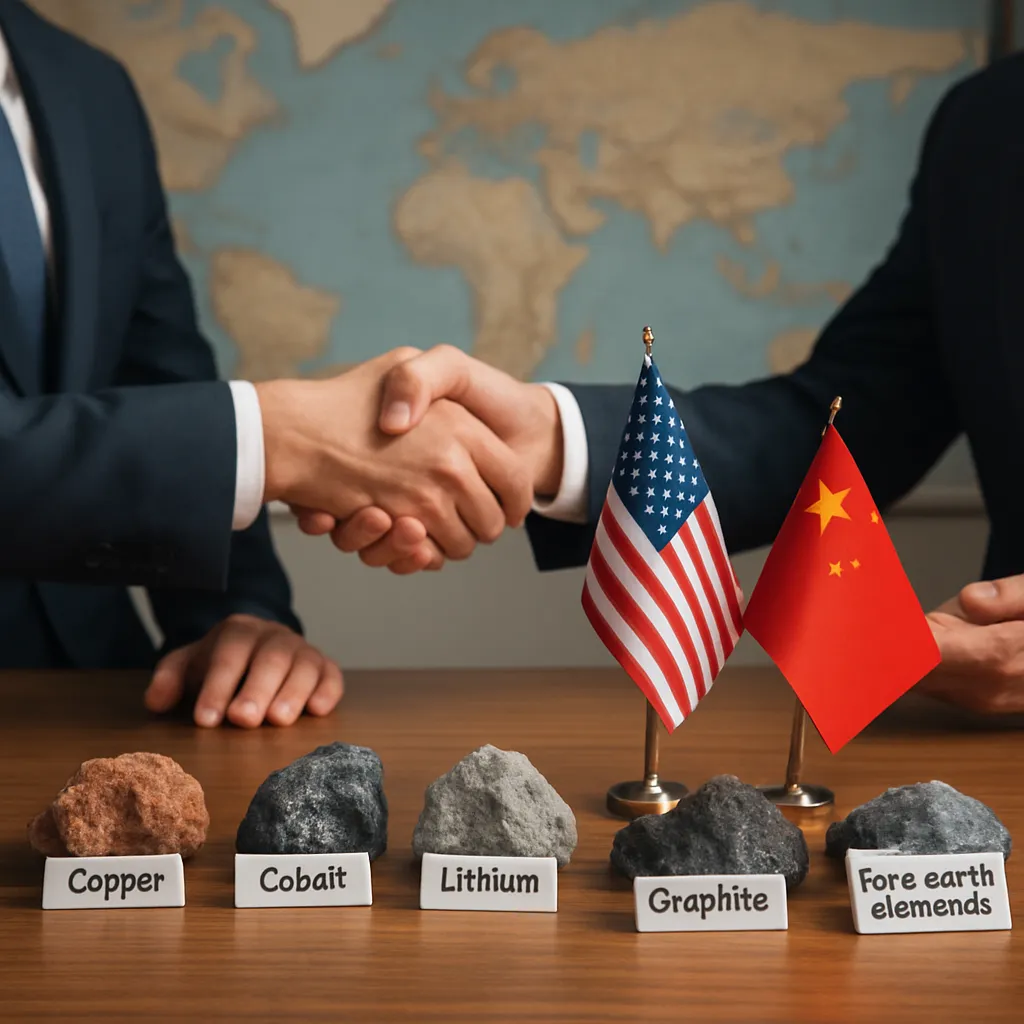
Securing reliable lithium supplies has become a strategic priority for major economies. China’s vertically integrated approach—from mining to battery cell production—has sparked concerns about supply chain resilience among Western nations. In response, alliances like the US-led Minerals Security Partnership are emerging to promote collaboration on critical minerals, while the EU advances its Critical Raw Materials Act to support domestic extraction and processing capacity.
Strategic Pathways for Future Growth
Meeting the projected surge in demand for electric mobility and grid-scale storage will require a multifaceted strategy encompassing policy, investment, and technology.
- Accelerated permitting processes balanced with stringent environmental safeguards.
- Public-private partnerships to fund pilot projects in Direct Lithium Extraction and geothermal-based recovery.
- Incentives for recycling infrastructure to create a circular economy for battery metals.
- International cooperation to secure critical mineral supply chains and share best practices in responsible mining.
Innovation Hubs and Investment
Research clusters in North America, Europe, and Australia are fostering collaboration between mining companies, battery manufacturers, and research institutions. Venture capital and sovereign wealth funds are channeling billions into next-generation technologies, from extraction innovations to advanced battery architectures that reduce overall material consumption.
Community Engagement and Social License
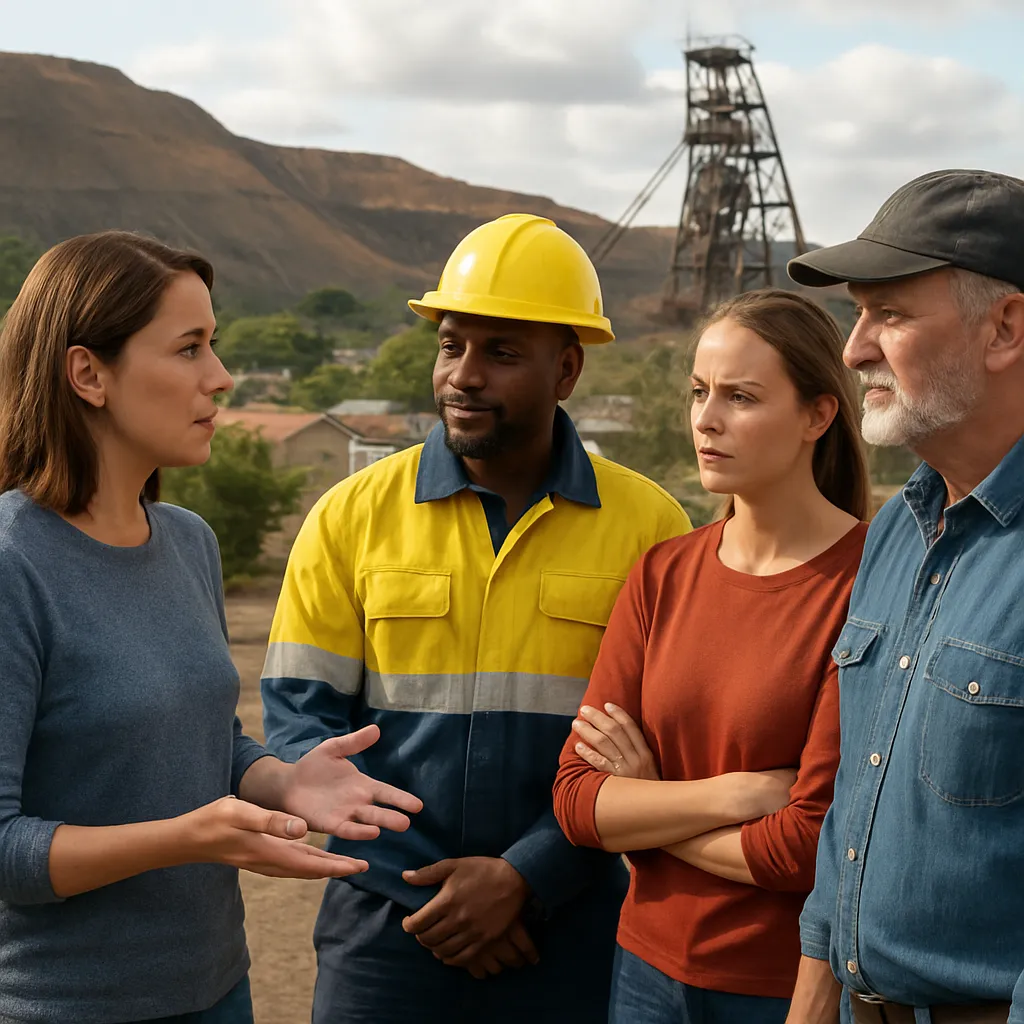
Building trust with local communities is essential. Proactive engagement—addressing concerns over environmental impacts, respecting Indigenous rights, and delivering tangible socioeconomic benefits—enhances the sustainability credentials of lithium projects and underpins long-term operational stability.
As the race for rare metals intensifies, stakeholders must navigate a complex interplay of technical, environmental, and geopolitical factors. The next phase of global lithium production will be defined by the ability to align innovation with responsible practices, ensuring that the backbone of the clean energy transition remains both robust and resilient.