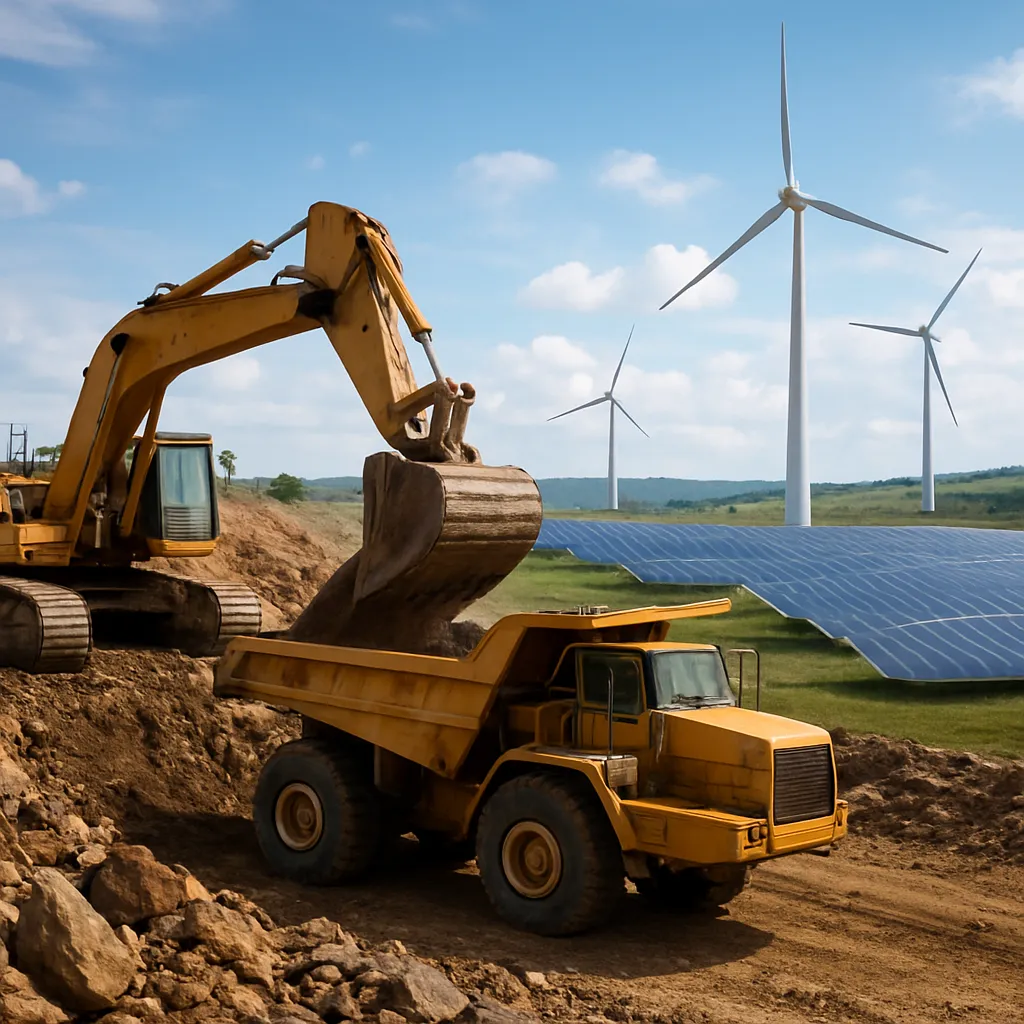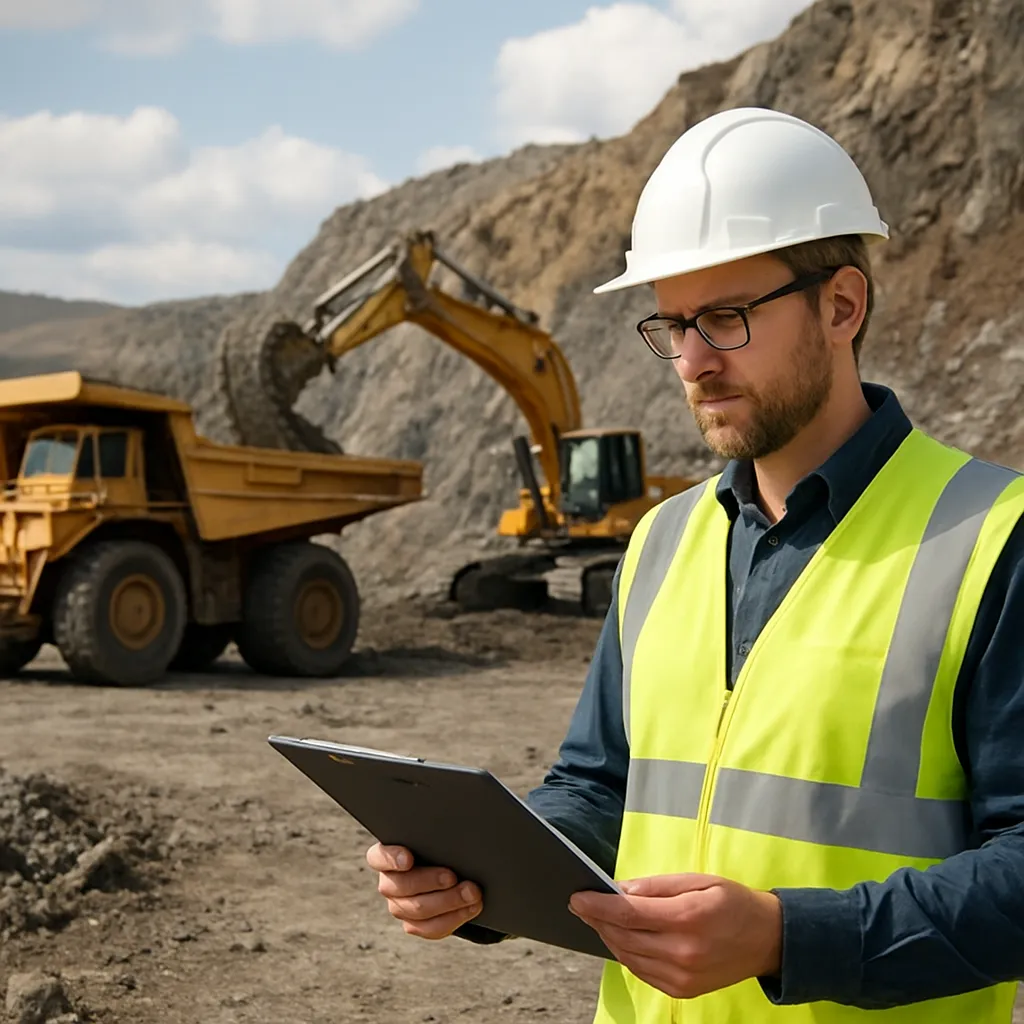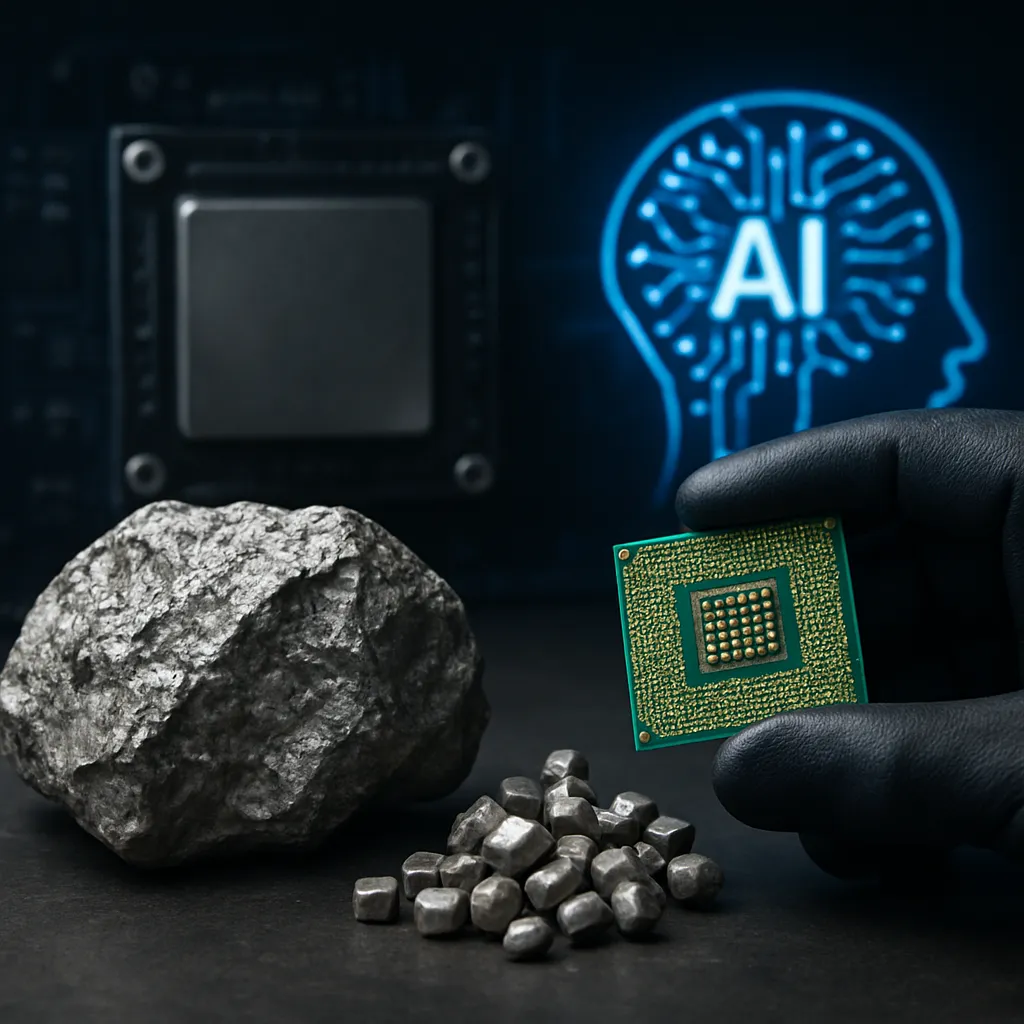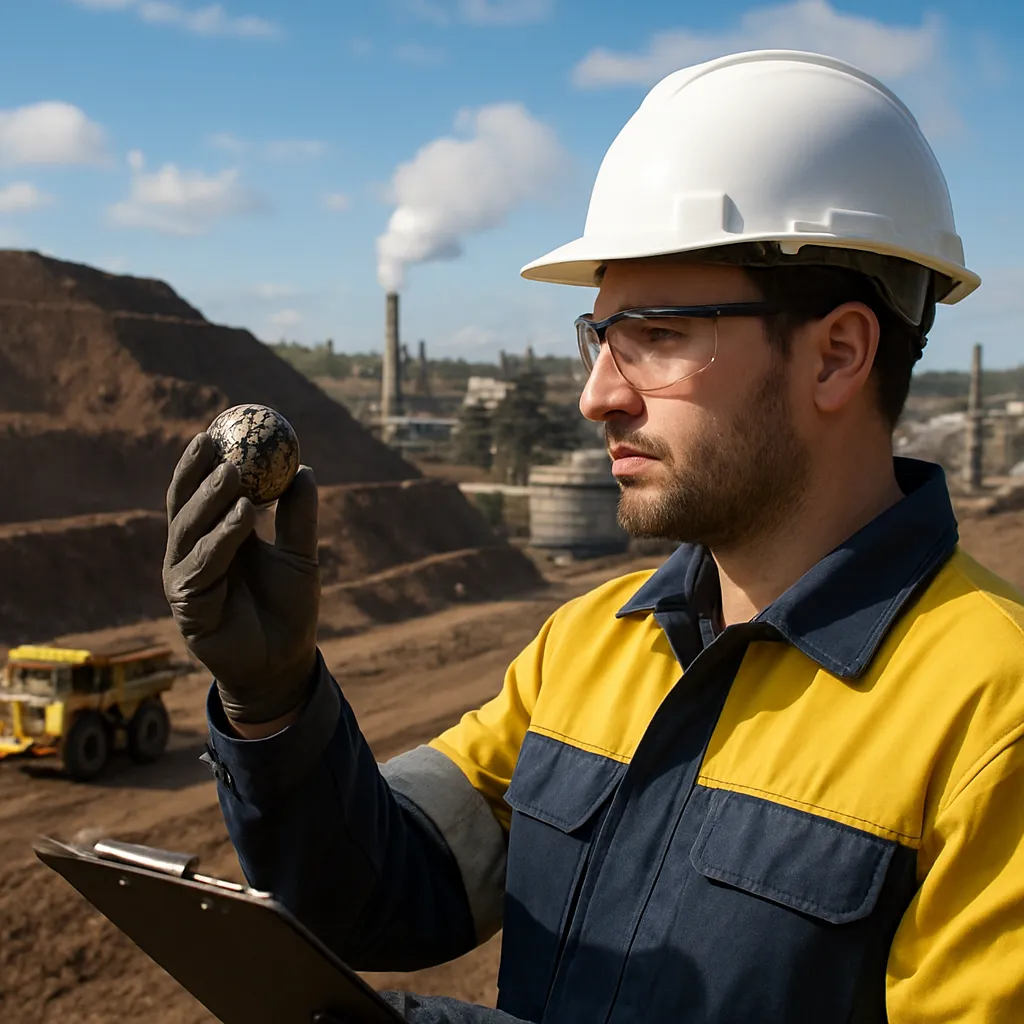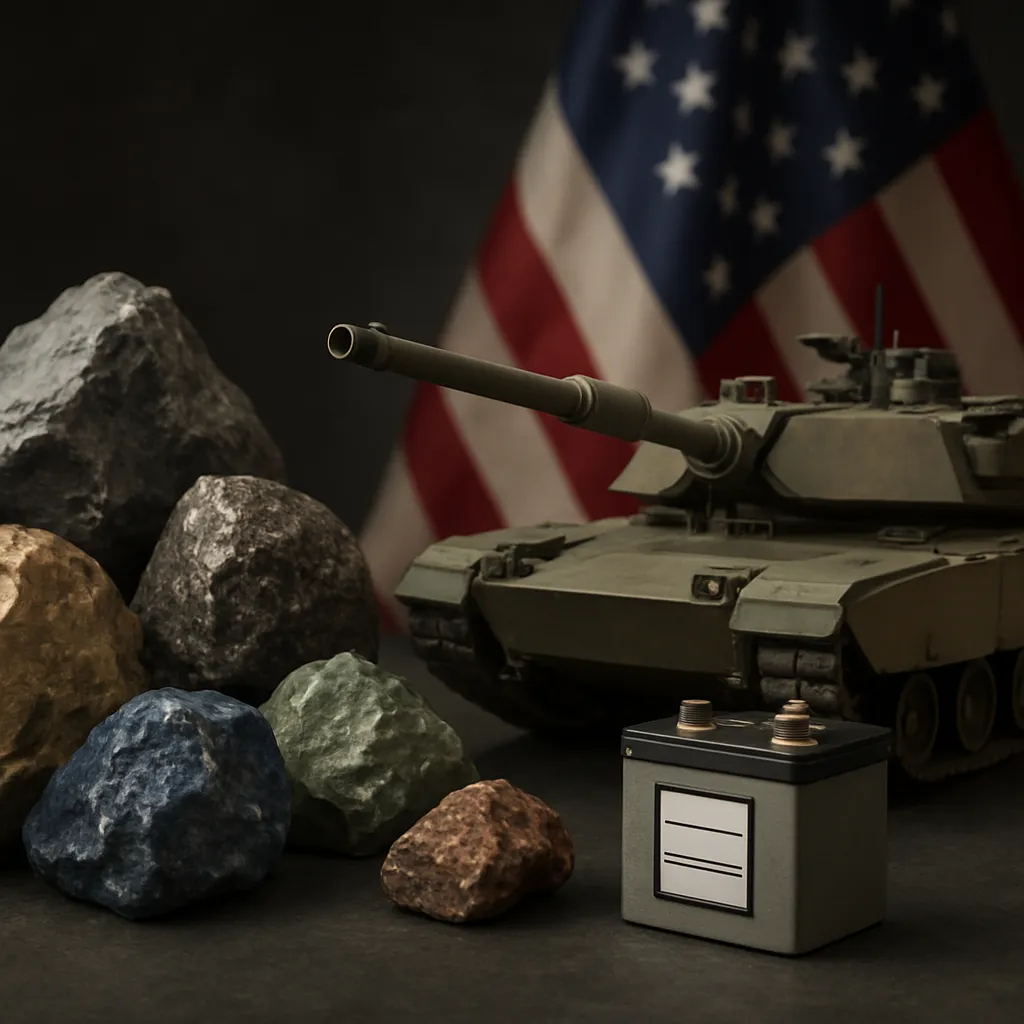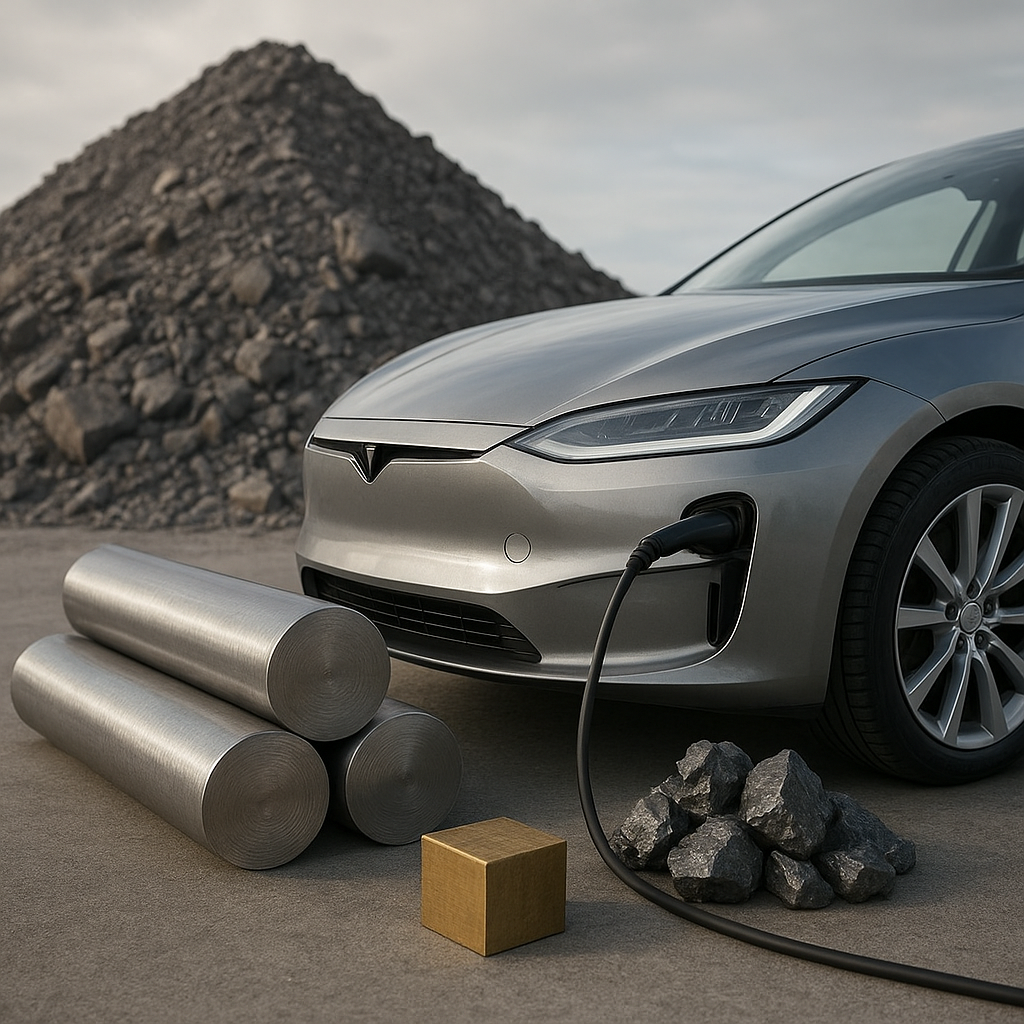
The accelerating transition towards zero-emission vehicles has propelled global interest in rare metals that underpin modern automotive technologies. From high-energy batteries to advanced catalysts, the demand for critical elements is skyrocketing as manufacturers strive for greater performance, range, and sustainability. This article explores how the automotive sector acts as a driving force behind the rare metal market, examining key applications, supply chain complexities, environmental considerations, and future outlooks.
The Role of Rare Metals in Electric Propulsion
Electric vehicles (EVs) rely on advanced battery chemistries and efficient electric motors, both of which depend heavily on lithium, cobalt, nickel, and rare-earth elements. The following subsections outline their specific functions:
Battery Cathode Materials
- Lithium: Serves as the primary charge carrier in lithium-ion cells, prized for its low atomic weight and high electrochemical potential.
- Cobalt: Stabilizes cathode structures and enhances energy density, though ethical mining issues have raised sustainability concerns.
- Nickel: Increases capacity and reduces reliance on cobalt, with high-nickel chemistries becoming increasingly popular.
Permanent Magnets and Electric Motors
- Neodymium and praseodymium: Key constituents of neodymium-iron-boron (NdFeB) magnets, enabling compact, high-torque electric motors.
- Dysprosium and terbium: Added to improve thermal stability and resist demagnetization under elevated temperatures.
Supply Chain Complexities and Geopolitical Dynamics
The rare metal supply chain spans continents and involves multiple stages from extraction to refining and component manufacturing. Critical vulnerabilities arise at each step:
Mining and Extraction
- Major reserves of lithium are concentrated in the “Lithium Triangle” of South America, leading to geographic risk.
- Cobalt mining in the Democratic Republic of Congo faces social and environmental scrutiny.
Processing and Refining
- Refinement capacity for rare-earth oxides is dominated by a handful of countries, creating a geopolitics challenge.
- Complex separation processes require significant energy and water, raising carbon footprint issues.
Manufacturing and Assembly
- Electric motor and battery producers often operate within integrated supply networks that can be disrupted by trade tensions.
- Diversification efforts seek to reduce dependency on single-source suppliers and promote innovation in material alternatives.
Sustainable Mining, Recycling, and Circular Economy
As demand for rare metals surges, the automotive industry must adopt responsible practices to minimize ecological damage and secure long-term resource availability. Key strategies include:
- Responsible Sourcing: Implementing traceability systems to ensure ethical labor conditions and environmental compliance at mining sites.
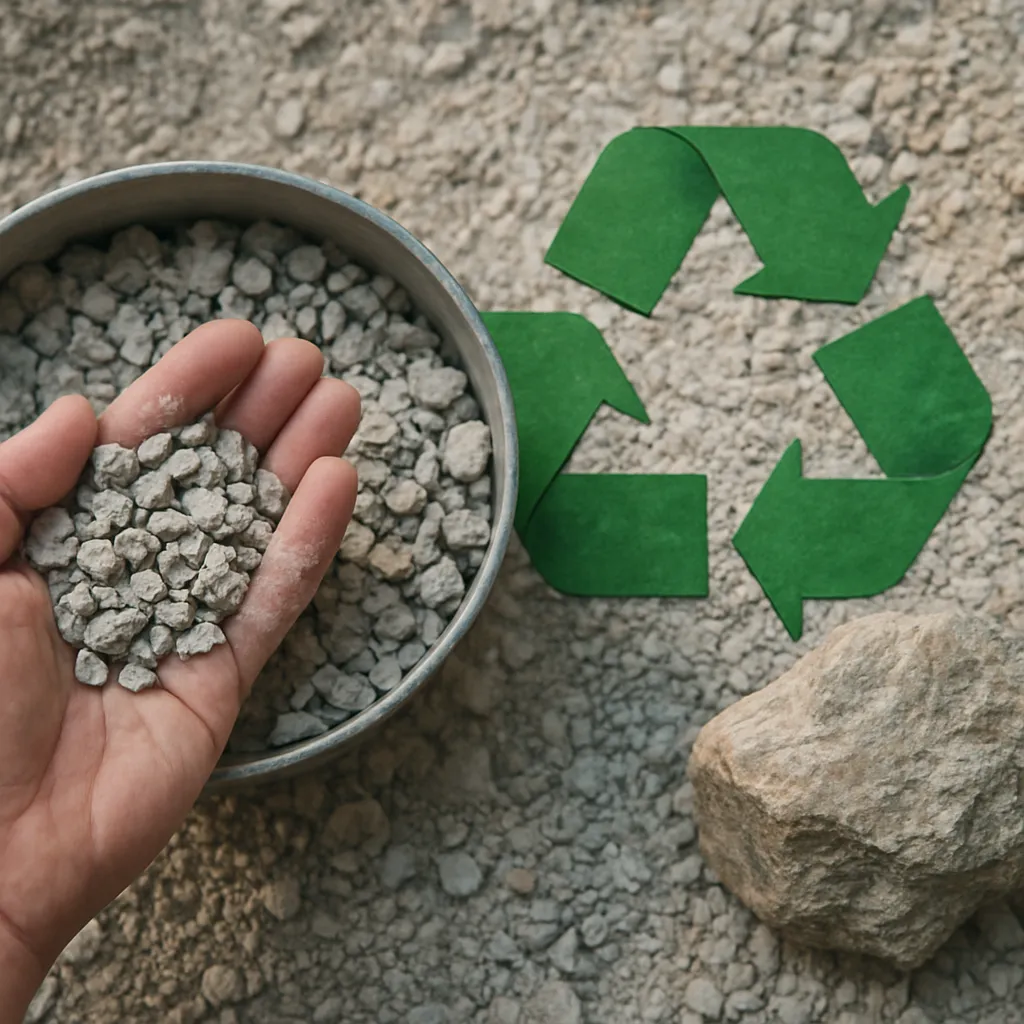
- Recycling: Developing efficient end-of-life processes to recover lithium, cobalt, nickel, and rare-earth magnets from spent batteries and motors.
- Alternative Materials: Researching low-cobalt or cobalt-free cathodes, and investigating novel magnet compositions that reduce reliance on scarce elements.
Battery Second Life Applications
Used EV batteries often retain significant storage capacity. Repurposing them for stationary energy storage can delay recycling and extract further value, supporting grid stability and renewable integration.
Advanced Recycling Technologies
Hydrometallurgical and pyrometallurgical processes are being refined to reclaim high-purity metals. Innovations in direct recycling aim to recover cathode materials with minimal reprocessing, significantly lowering energy consumption.
Future Trends and Technological Innovations
Looking ahead, the automotive sector’s insatiable appetite for rare metals will incentivize breakthroughs across extraction, material science, and sustainability domains:
Solid-State Batteries
- By replacing liquid electrolytes with solid materials, these batteries promise higher energy density and faster charging, potentially reducing reliance on cobalt and graphite.
- Solid electrolytes may utilize abundant elements like sulfur or sodium, diversifying the resource base.
Green Mining Practices
- Bioleaching uses microorganisms to extract metals from ore with lower environmental impact.
- Renewable-powered mining operations aim to slash greenhouse gas emissions associated with extraction and processing.
Supply Chain Digitalization
Blockchain and advanced tracking systems are enhancing transparency, enabling stakeholders to verify material provenance and enforce rigorous standards for supply chain integrity.
Conclusion
The automotive sector remains a pivotal force in shaping the global rare metal landscape. Balancing rapid electrification with ethical sourcing, environmental stewardship, and technological advancement will determine whether the industry achieves a truly sustainable future. Through collaboration among automakers, miners, recyclers, and policymakers, rare metals can continue to power innovation without compromising planetary health.