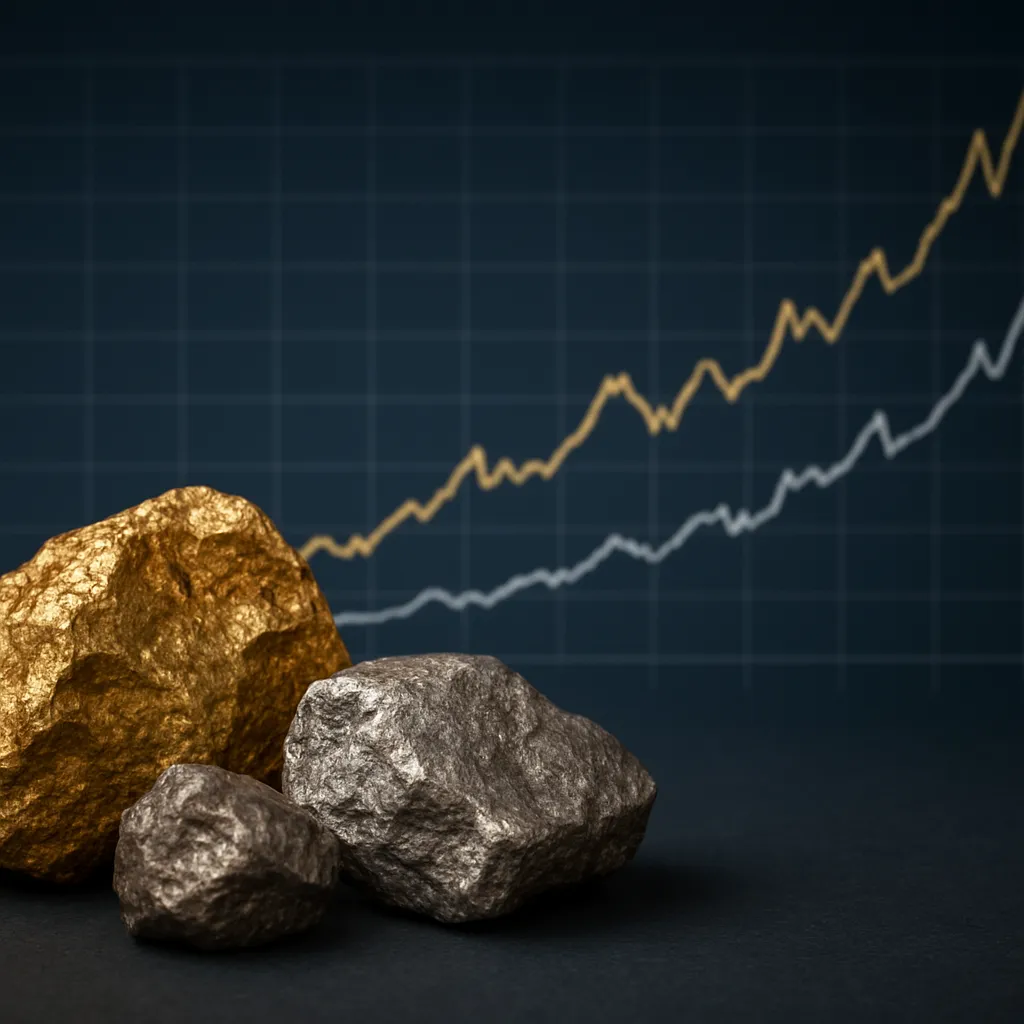
Amid rapid technological progress and escalating demand for critical elements, the field of rare metal extraction is undergoing a transformative phase. Fueled by the global energy transition and surging interest in electric vehicles, renewable power, and advanced electronics, researchers and industry leaders are unveiling a suite of breakthrough techniques designed to enhance efficiency, reduce environmental footprints, and secure supply chains. This article explores cutting-edge methodologies shaping the future of lithium, cobalt, nickel, and rare earth element recovery, delving into both their technical foundations and broader economic and geopolitical implications.
Innovative Extraction Technologies
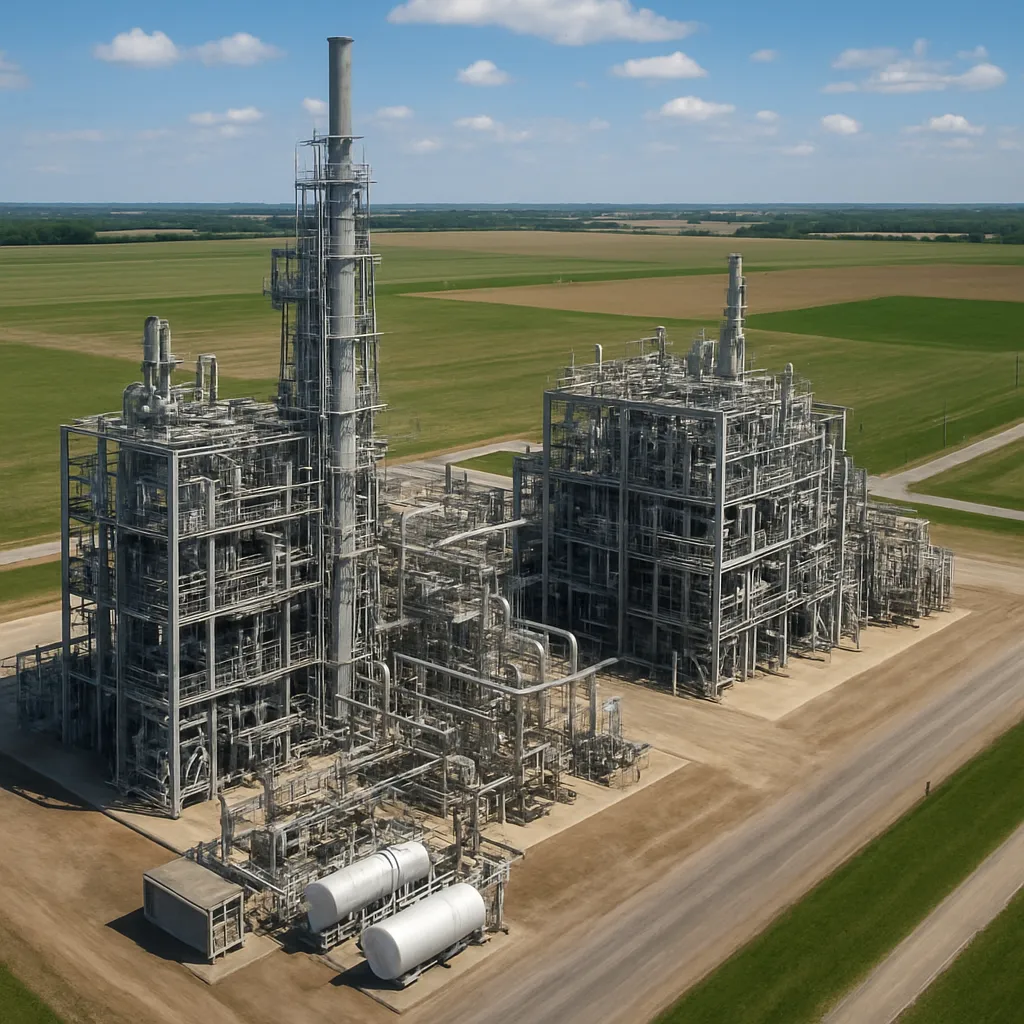
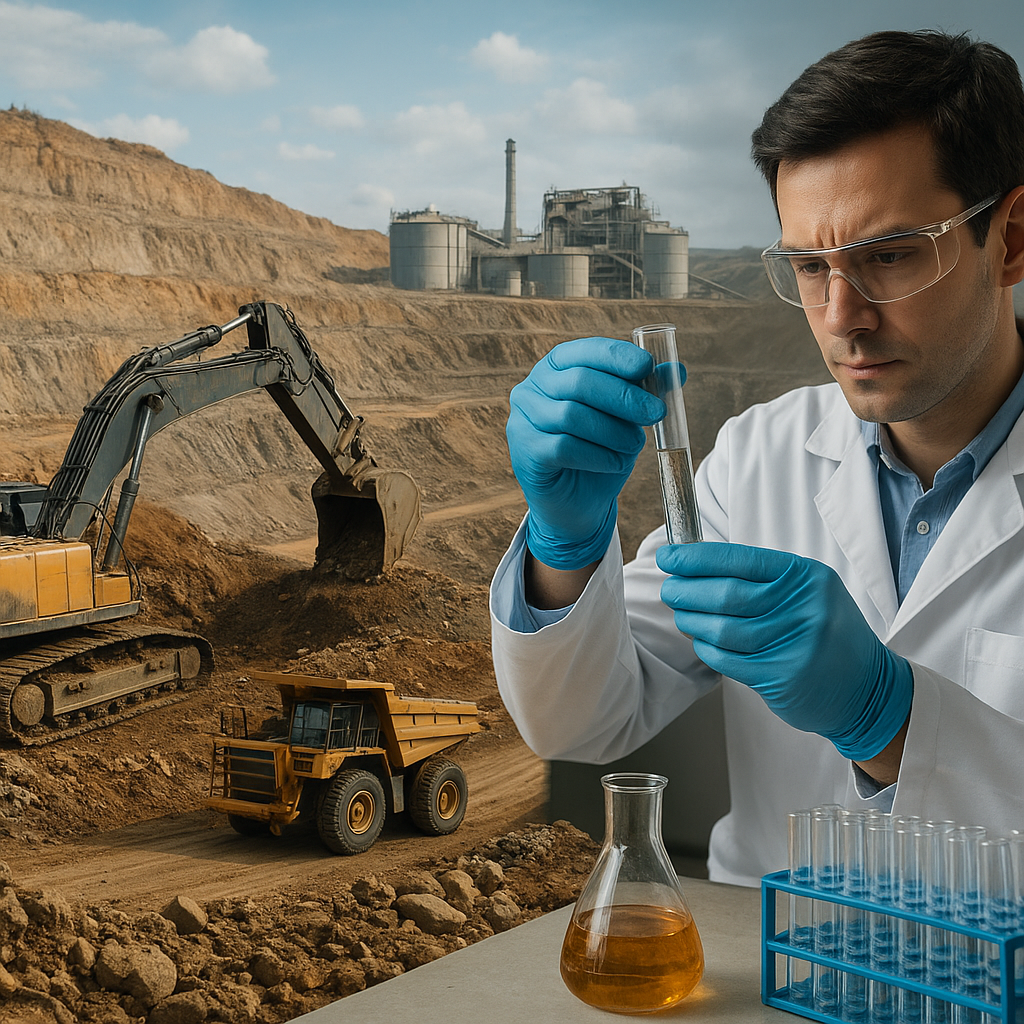
The past decade has witnessed significant strides in refining traditional mining practices. Conventional pyrometallurgy, while robust, carries a high carbon intensity and energy consumption. As a result, the industry is pivoting toward hydrometallurgy approaches that leverage aqueous chemistry to selectively dissolve target metals at lower temperatures. By deploying novel leaching agents—ranging from organic solvents to ionic liquids—researchers have achieved unprecedented purification levels, minimizing waste and enhancing metal yield by up to 20% compared to legacy processes.
Parallel advances in bioleaching harness extremophilic microorganisms capable of oxidizing sulfide ores and releasing valuable metals into solution. Strains of Acidithiobacillus ferrooxidans and engineered consortia demonstrate high tolerance to acidic environments, converting complex mineral matrices into extractable forms without harsh chemical additives. Pilot plants in Chile and Australia report 30–40% energy savings and significant reductions in greenhouse gas emissions.
Electrochemical recovery methods have emerged as another pillar of innovation. By applying controlled potentials, dissolved metal ions can be selectively plated onto electrodes, enabling direct refinement of battery-grade lithium and cobalt. Recent prototypes utilize 3D-printed electrode architectures and advanced membranes to boost deposition rates. This approach not only streamlines operations but also facilitates modular, scalable systems suitable for on-site processing at remote deposits.
Environmental and Economic Impact
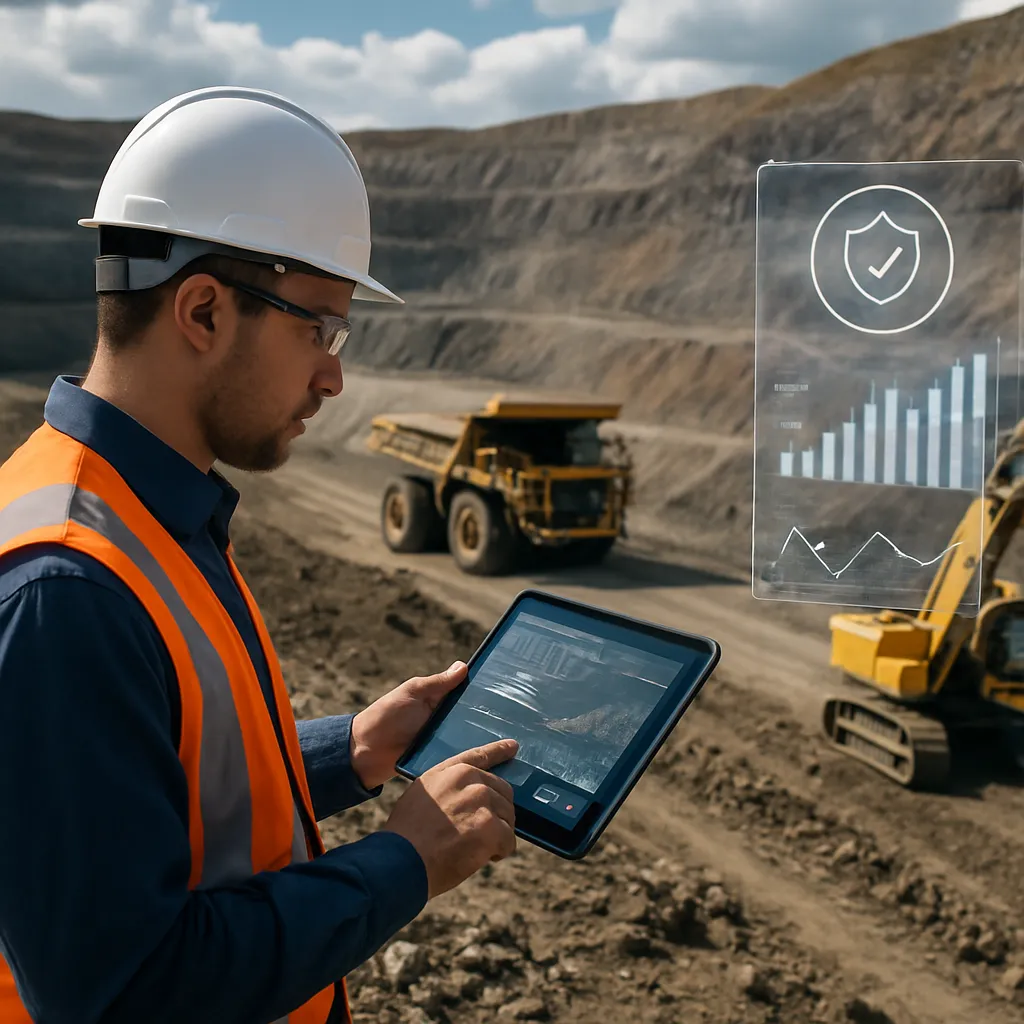
Reducing the ecological footprint of metal extraction is paramount, as mining operations have historically been associated with deforestation, soil contamination, and water scarcity. Novel techniques integrate closed-loop water recycling, advanced tailings management, and real-time monitoring powered by remote sensing and IoT sensors. These systems detect minute shifts in pH, turbidity, and dissolved solids, enabling proactive adjustments that prevent accidental spills and conserve freshwater resources.
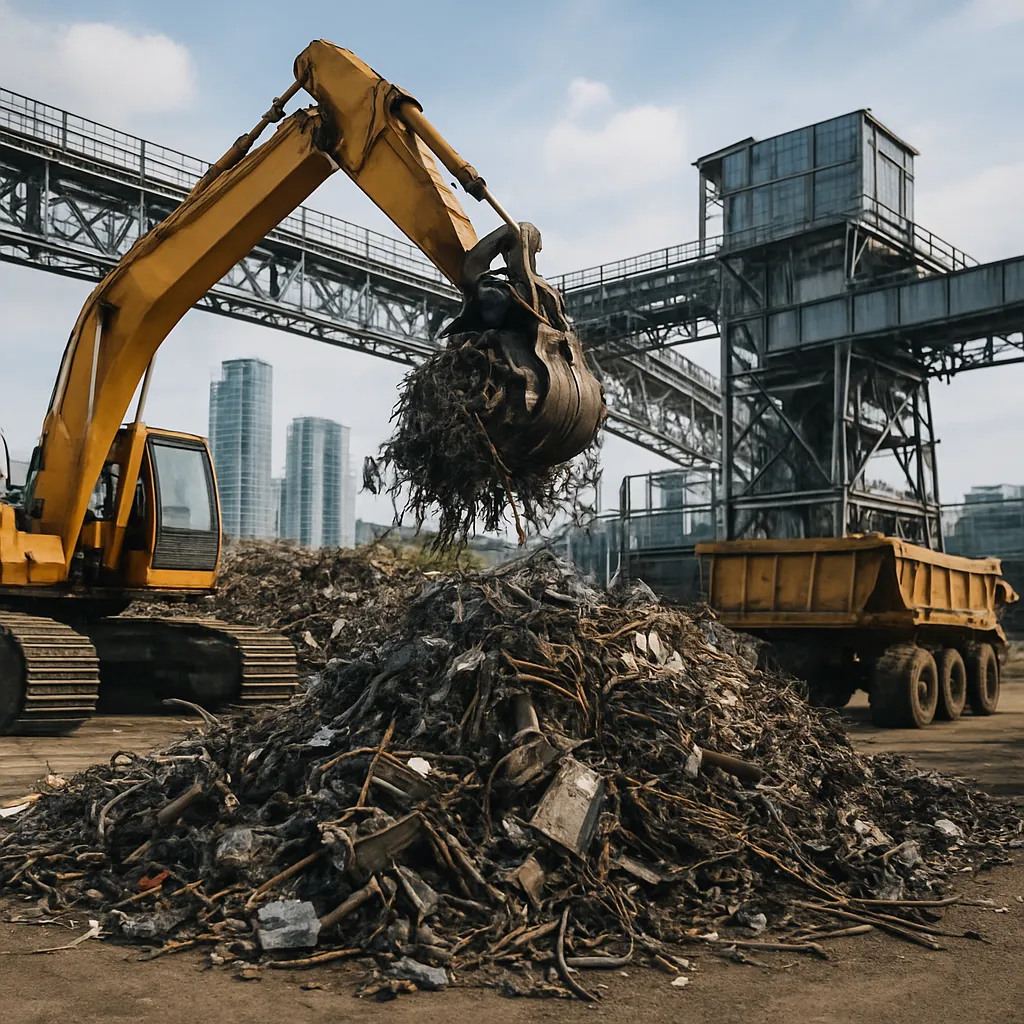
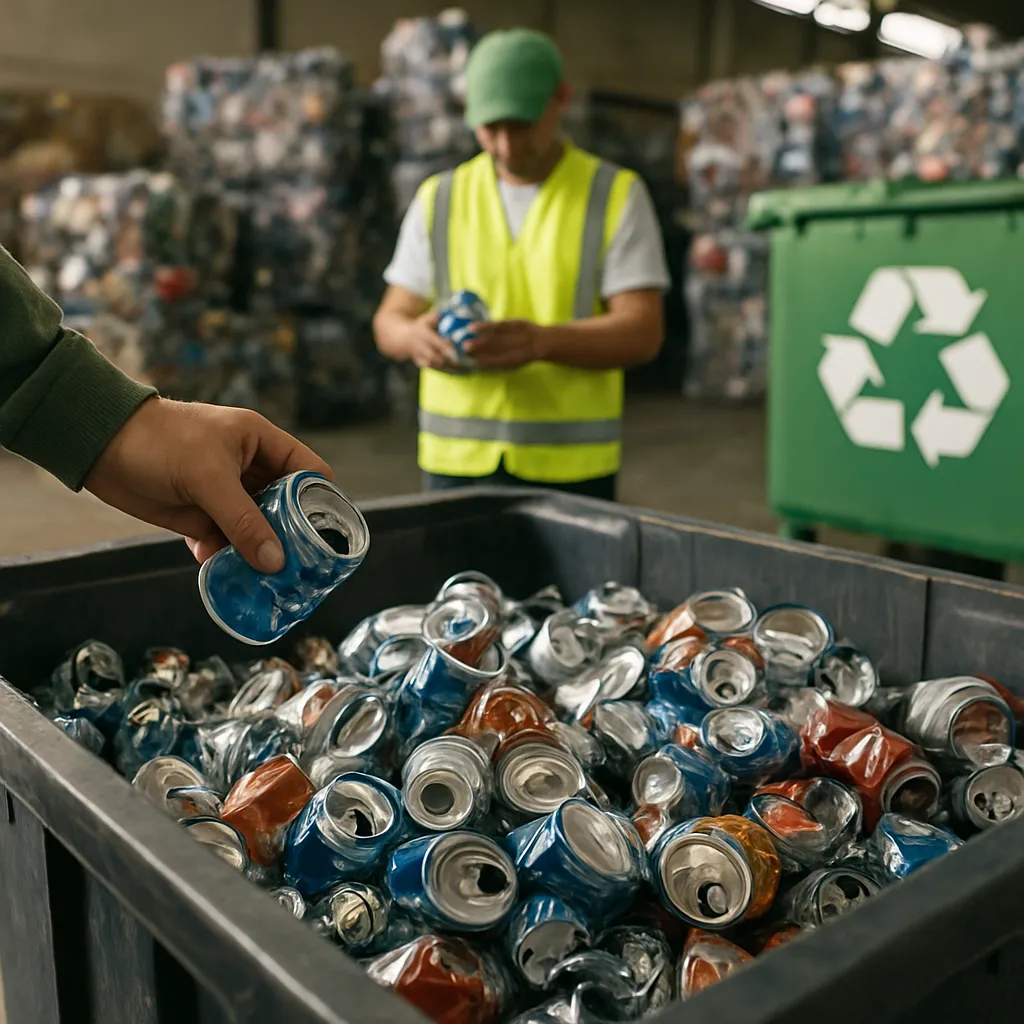
Moreover, embracing a circular economy model is shifting the focus from linear “mine-to-smelt” flows to cradle-to-cradle strategies. Spent electric vehicle batteries and electronic waste are now being targeted as secondary ore bodies, with specialized recycling facilities employing a combination of mechanical shredding, hydrometallurgical separation, and electrorefining. This integration of primary and secondary supply streams reduces reliance on virgin ore, alleviates ethical concerns around deep-sea or conflict-prone mining, and offers a hedge against volatile commodity prices.
From an economic standpoint, these technologies promise to lower operating costs by up to 25% over the next five years, according to industry analysts. Automation—powered by robotics, AI-driven process control, and machine-learning optimization—further drives down labor expenses while improving consistency and safety in extraction environments.
Geopolitical Implications and Supply Chain Security
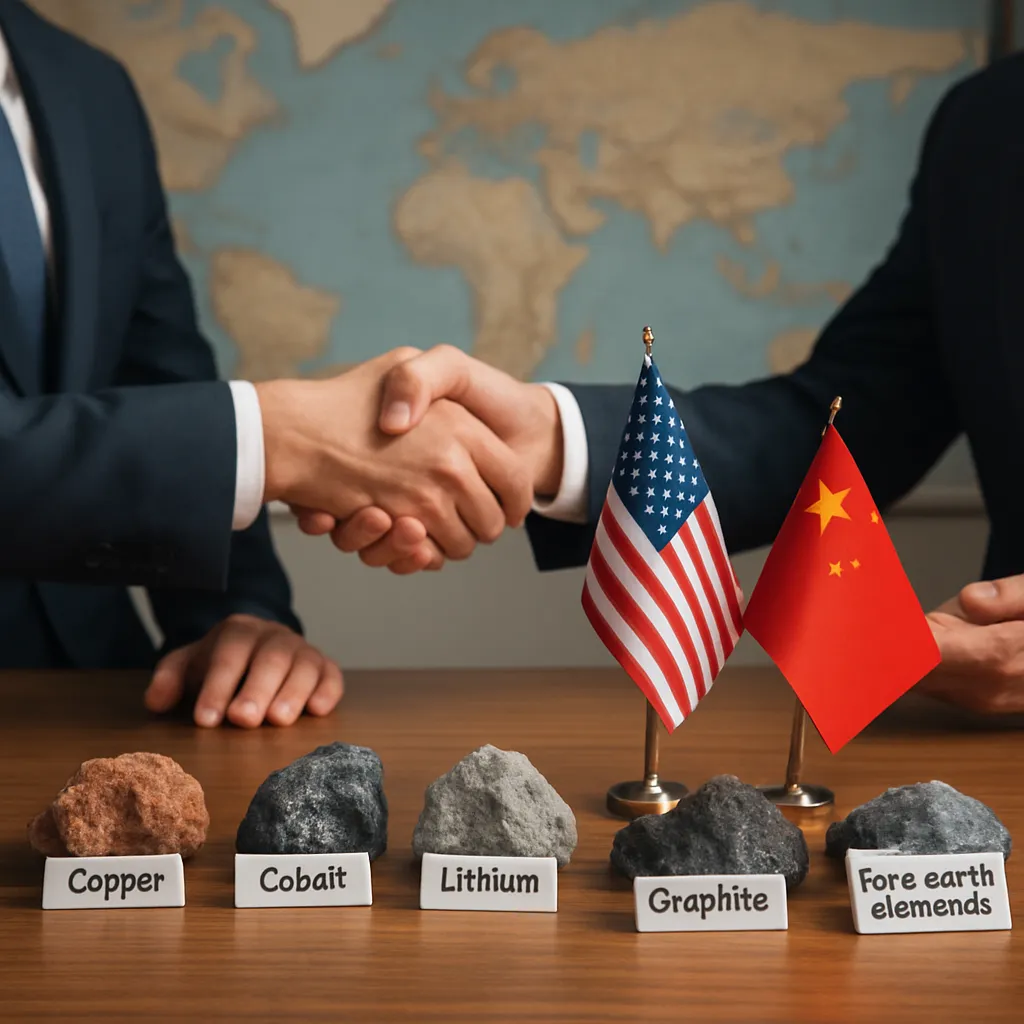
Rare metals are a strategic asset, underpinning everything from military systems to consumer electronics. Concentrated reserves—often located in geopolitically sensitive regions—have historically exposed downstream manufacturers to supply disruptions and price shocks. In response, national governments and multinational consortia are investing heavily in diversifying supply sources and developing domestic extraction capabilities.
- United States: Incentives for rare earth processing facilities, joint ventures with allied producers, and strategic stockpiling initiatives.
- European Union: The Critical Raw Materials Act emphasizing recycling quotas, R&D grants for low-impact extraction, and regional supply hubs.
- Asia Pacific: Expansion of deep-sea mining exploration for polymetallic nodules, coupled with stringent environmental regulations to mitigate seabed impact.
A critical trend is the integration of blockchain and advanced traceability tools to verify the provenance of each ton of ore. This ensures compliance with regulatory standards and ethical sourcing guidelines, reinforcing consumer trust in electric vehicles and green technologies.
Future Prospects and Research Directions
Looking ahead, the integration of nanotechnology and advanced materials science promises further leaps in extraction performance. Tailored nanoporous membranes and functionalized sorbents can achieve selective capture of individual rare earth ions, eliminating extensive downstream refining. Simultaneously, real-time AI analytics will optimize leaching kinetics, dynamically adjusting reagent concentrations and temperature profiles to maximize recovery.
Deep learning algorithms are also being deployed to analyze geological datasets, predict high-grade ore bodies, and guide autonomous drilling rigs toward optimal deposit locations. This confluence of digital and process innovation is elevating resource efficiency and reducing exploration costs.
Finally, multidisciplinary collaborations—spanning microbiology, chemical engineering, and environmental science—are unlocking next-generation biohybrid reactors, where enzymes and living cells synergize with inorganic catalysts to break down ore matrices at ambient conditions. Such systems could eventually enable decentralized extraction units in remote or underserved regions, democratizing access to critical metals and supporting local economic development.