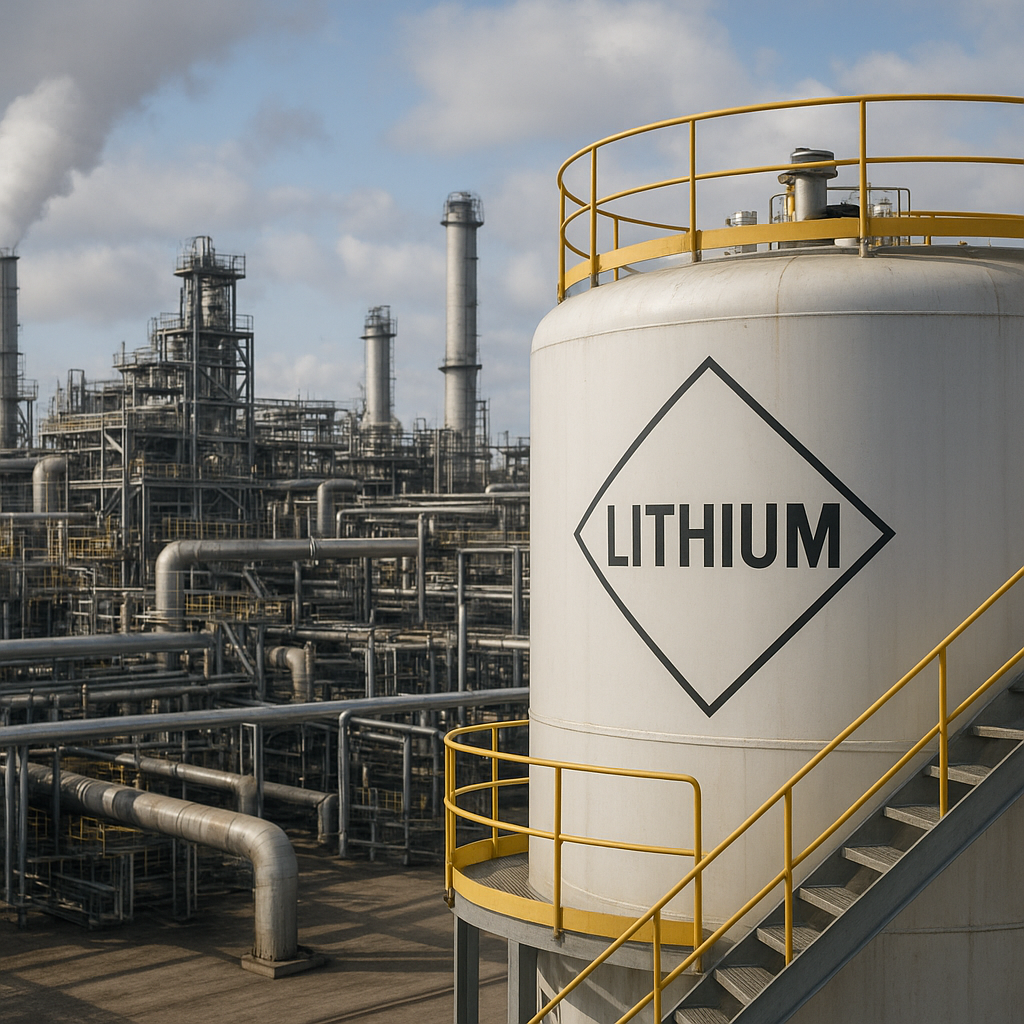
The global shift toward **electric vehicles** and **renewable energy** storage has ignited a fierce competition in securing and processing **critical** minerals. Among these, lithium stands out as the cornerstone of the modern energy transition. The race to expand refining capacity is not simply an industrial challenge; it intertwines with **geopolitics**, **innovation**, and environmental stewardship. This article examines the dynamics reshaping the **rare metals** supply chain, the technological breakthroughs in refining, and the strategic maneuvers of major players striving for dominance.
Market Dynamics and Demand Surge
Rapid electrification of transport and grid-scale storage has sent lithium demand skyrocketing. Annual consumption has grown at double-digit rates, with projections indicating a need for five to ten times current refining output by 2030. The upsurge is driven by several interrelated factors:
- Electric Vehicles: Carmakers worldwide have pledged to phase out internal combustion engines, creating a tidal wave of battery orders.
- Energy Storage: Renewable installations require large-scale batteries to stabilize grids, pushing utilities to secure long-term supplies.
- Consumer Electronics: Smartphones, laptops, and wearables continue to demand high-performance, lightweight batteries.
The imbalance between mining output and processing capacity has created persistent price volatility. Spot prices have occasionally tripled within months, reflecting the market’s sensitivity to any supply disruption.
Refining Capacity Bottlenecks
Existing Infrastructure Constraints
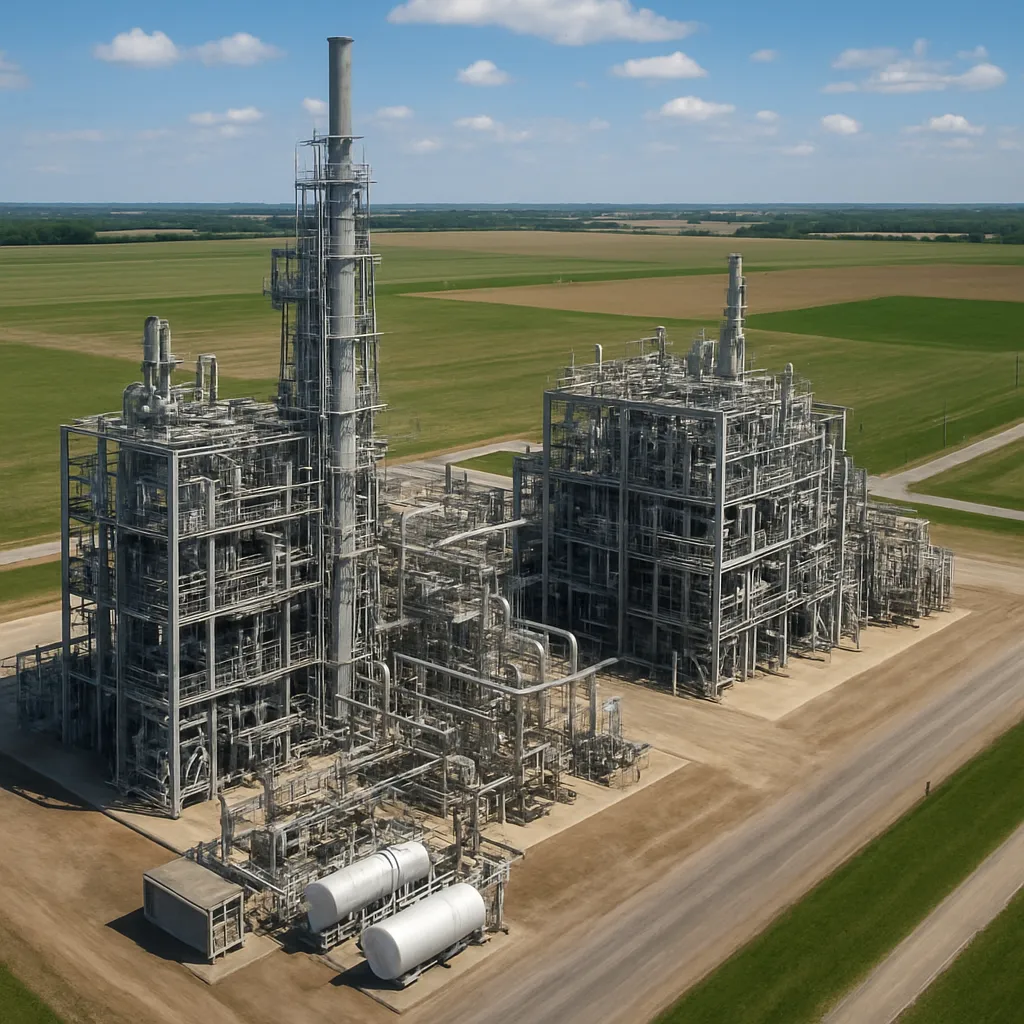
Most lithium raw material originates from brine extraction in South America and hard-rock mining in Australia. However, only a handful of refineries—primarily in China—can convert these ores into battery-grade salts such as lithium hydroxide and lithium carbonate. The bottlenecks include:
- Outdated processing lines with low yield and high waste streams
- Capital-intensive requirements for building new plants, often exceeding $1 billion per facility
- Regulatory hurdles and lengthy permitting processes in many jurisdictions
Environmental and Sustainability Challenges
Refining operations consume significant volumes of water and energy and produce chemical effluents. Communities near proposed plants frequently raise concerns over water depletion and toxic byproducts. To address these, developers are adopting closed-loop water systems and seeking sustainable catalysts to reduce toxic emissions.
Technological Innovations in Refining
Pioneering advancements seek to improve both the efficiency and environmental footprint of lithium processing. Key trends include:
Simplified Extraction Methods
Direct Lithium Extraction (DLE) techniques utilize sorbents or membranes to selectively capture lithium ions from brine, reducing evaporation pond footprints and accelerating recovery times from months to days.
Hydrometallurgical Breakthroughs
Next-generation hydrometallurgy enables higher-purity outputs with lower reagent consumption. Biometallurgical approaches harness specialized microbes to leach lithium, offering a novel path to reduce chemical waste.
Modular and Decentralized Plants
Smaller, transportable refining modules allow producers to co-locate processing near mines, cutting logistics costs and minimizing material handling risks. These units can be rapidly deployed, providing flexibility in responding to market shifts.
Geopolitical and Strategic Considerations
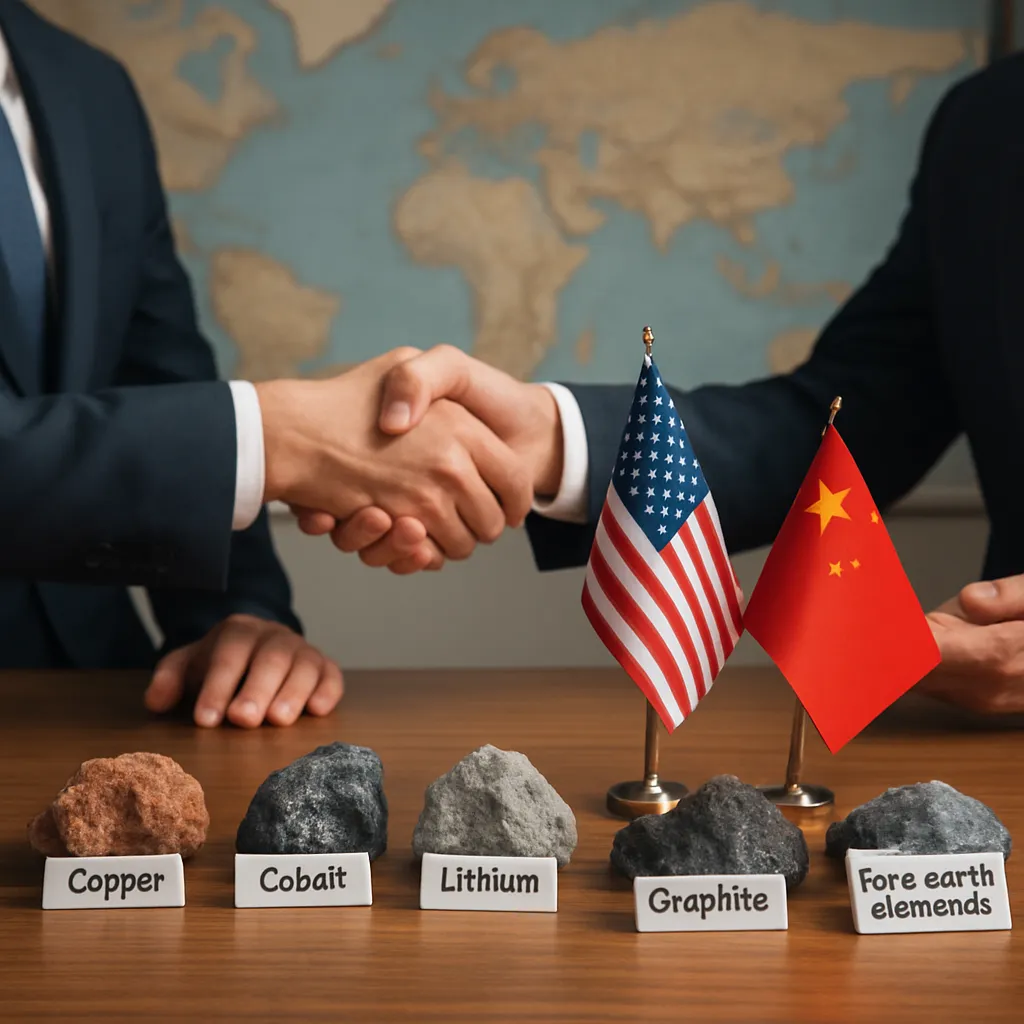
The control of refining capacity has become a geopolitical high ground. Governments are incentivizing domestic projects to avoid reliance on foreign refiners, particularly China, which currently processes over 60% of global lithium outputs. Key strategic moves include:
- State-backed investments in new refineries across North America and Europe
- Alliances between mining companies and battery producers to secure full supply chain integration
- Trade policies favoring critical mineral self-sufficiency, including tariffs and tax credits
The competition has even extended to cross-border deals, with resource-rich nations courting investors with generous terms. Meanwhile, nations lacking lithium reserves focus on recycling programs to recapture metals from end-of-life batteries, closing the loop on resource use.
Challenges and Future Outlook
Despite strong momentum, the lithium refining sector faces multifaceted challenges:
- Investment Risk: High capital costs and uncertain demand curves can deter financiers.
- Regulatory Complexity: Stringent environmental reviews and community opposition may delay projects by years.
- Technological Uncertainty: Emerging processes require validation at commercial scale to ensure consistent output quality.
However, the urgency of the climate crisis, coupled with the strategic imperative of securing battery materials, is propelling unprecedented collaboration among corporations, governments, and research institutions. Across the globe, dozens of new refining projects are in the pipeline, each promising to reshape the supply landscape.
Conclusion
The race for lithium refining capacity epitomizes the broader struggle for dominance in the global supply chain of critical metals. Success will hinge on the ability to innovate, invest responsibly, and navigate complex geopolitical currents. As the world accelerates toward a carbon-neutral future, securing robust and sustainable refining platforms will remain a top priority for industry leaders and policymakers alike.