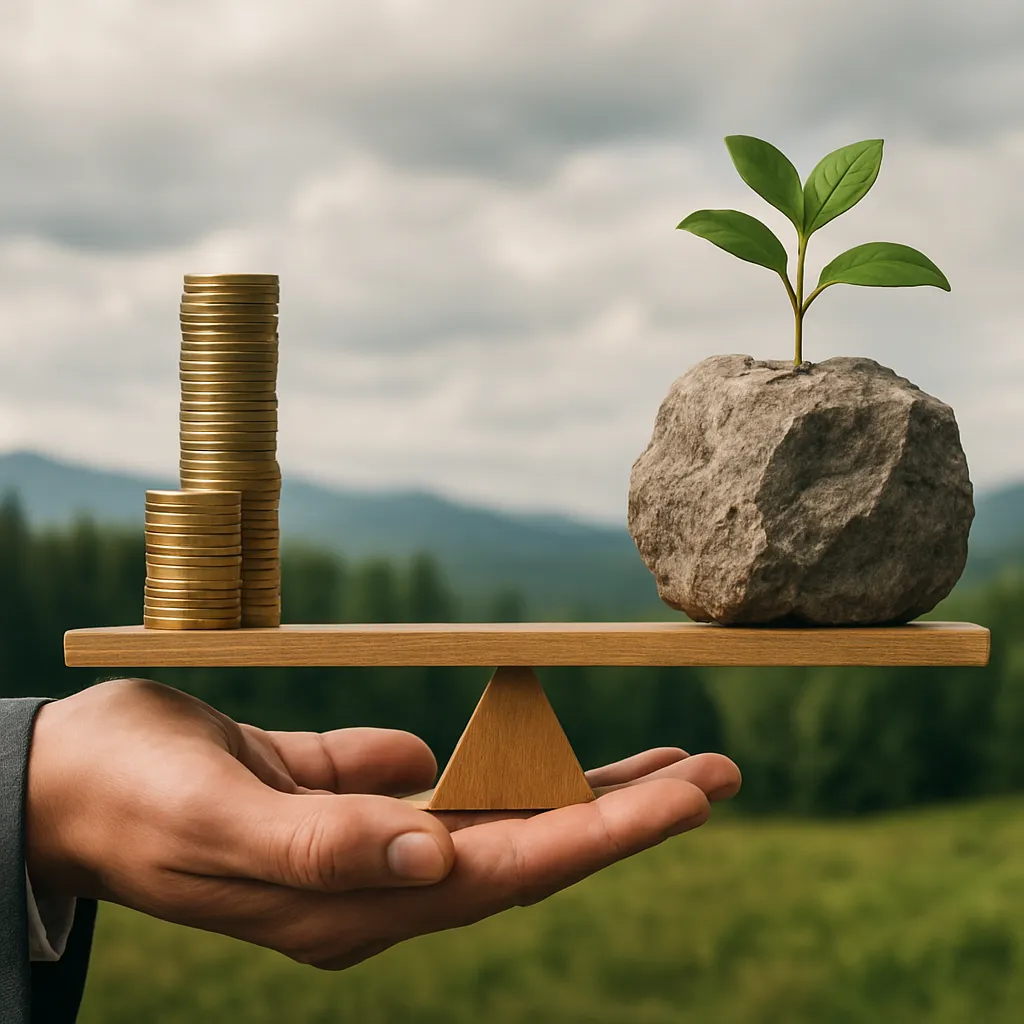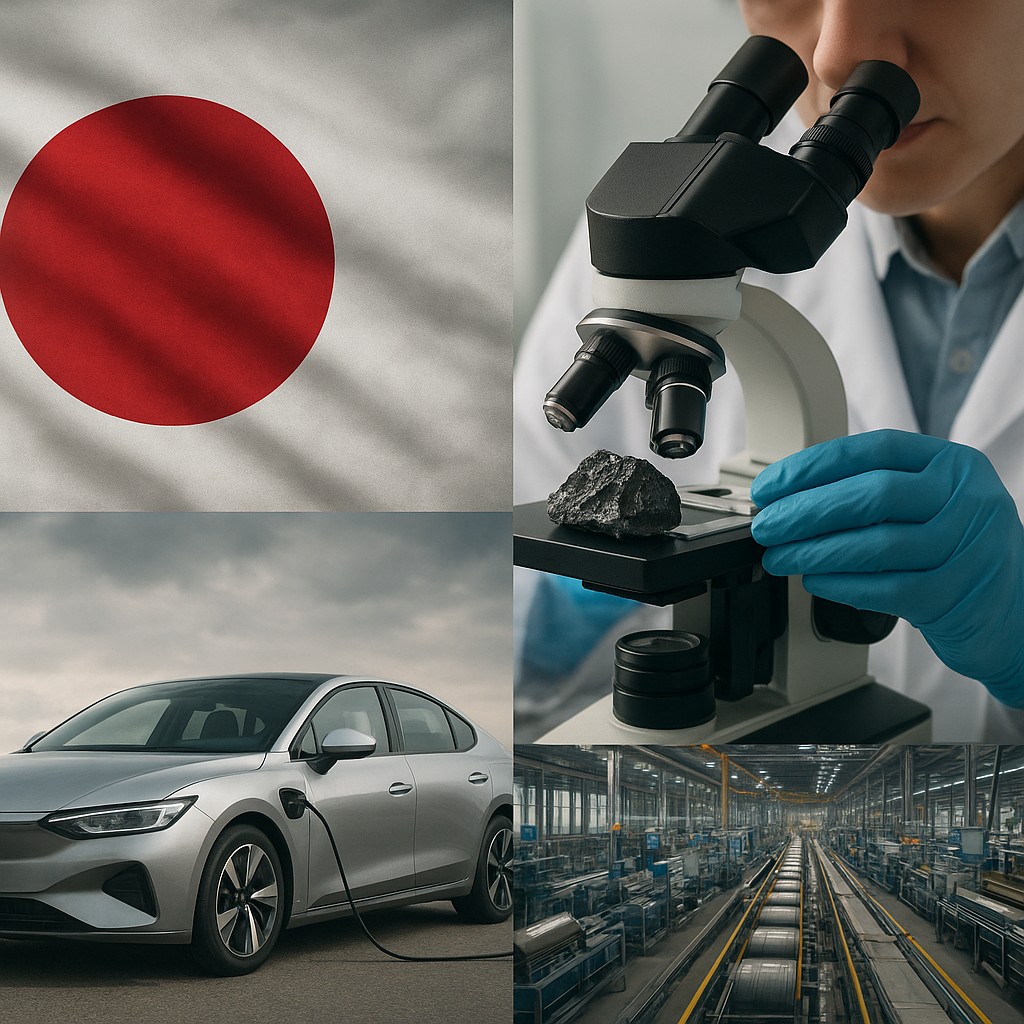
Japan’s pursuit of a robust strategy to secure **critical materials** has become a landmark case in the evolving landscape of global resource competition. With its heavy dependence on imports for minerals like **lithium**, **cobalt**, and **rare earth** elements, the nation has crafted a multi-layered approach that balances domestic innovation, overseas investment, and international **partnerships**. This article examines the key pillars of Tokyo’s strategy, highlighting the role of **geopolitics**, **supply chain** resilience, and the push towards a circular economy.
Geopolitical Context and Resource Vulnerabilities
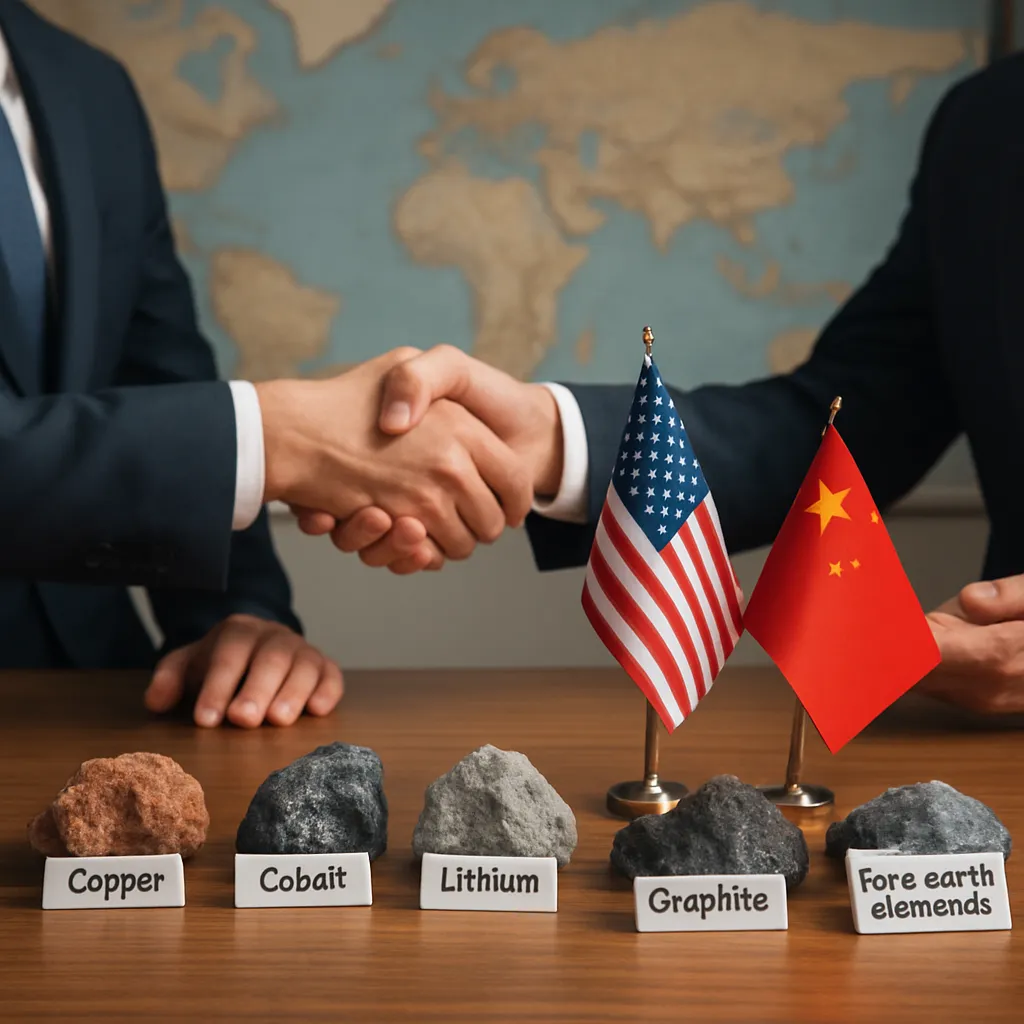
Japan imports more than 90% of its energy-related minerals, leaving it exposed to shifting diplomatic relations and export curbs. The global scramble for rare metals is intensifying as electrification and advanced manufacturing accelerate demand. China’s dominant processing capacity for **rare earth** elements has heightened anxieties in Tokyo, driving efforts to diversify sources and build stockpiles. While the nation lacks significant domestic reserves, it compensates through diplomatic engagement with resource-rich states.
Assessing Supply Risks
Japan’s Ministry of Economy, Trade and Industry (METI) classifies materials by criticality, assigning priority to those with high economic importance and unreliable supply. Key categories include:
- Rare earth elements (neodymium, dysprosium)
- Battery metals (lithium, cobalt, nickel)
- Platinum group metals (palladium, platinum)
By mapping global production and processing hubs, the government pinpoints potential chokepoints. This analytic framework informs both stockpiling targets and investment incentives.
Overseas Ventures and Diversification Efforts
To reduce reliance on any single supplier, Japan has forged resource agreements and joint ventures across multiple continents. The nation’s trading houses and conglomerates are active in exploration projects in Australia, Canada, and several African states. Through equity stakes and technical partnerships, Tokyo leverages Japanese **innovation** in extraction and refining technologies.
Investment Highlights
- AUS–JPN Lithium Consortium: Funding of brine and hard-rock operations in Western Australia
- Canadian Cobalt Alliance: Collaboration on high-purity cobalt sulfate facilities in Quebec
- Africa Rare Earth Initiative: Joint research with Malagasy authorities to develop eco-friendly separation processes
These ventures emphasize not only resource access but also technology transfer, ensuring that Japanese firms gain proprietary expertise in emerging extraction methods.
Domestic Innovation and the Circular Economy
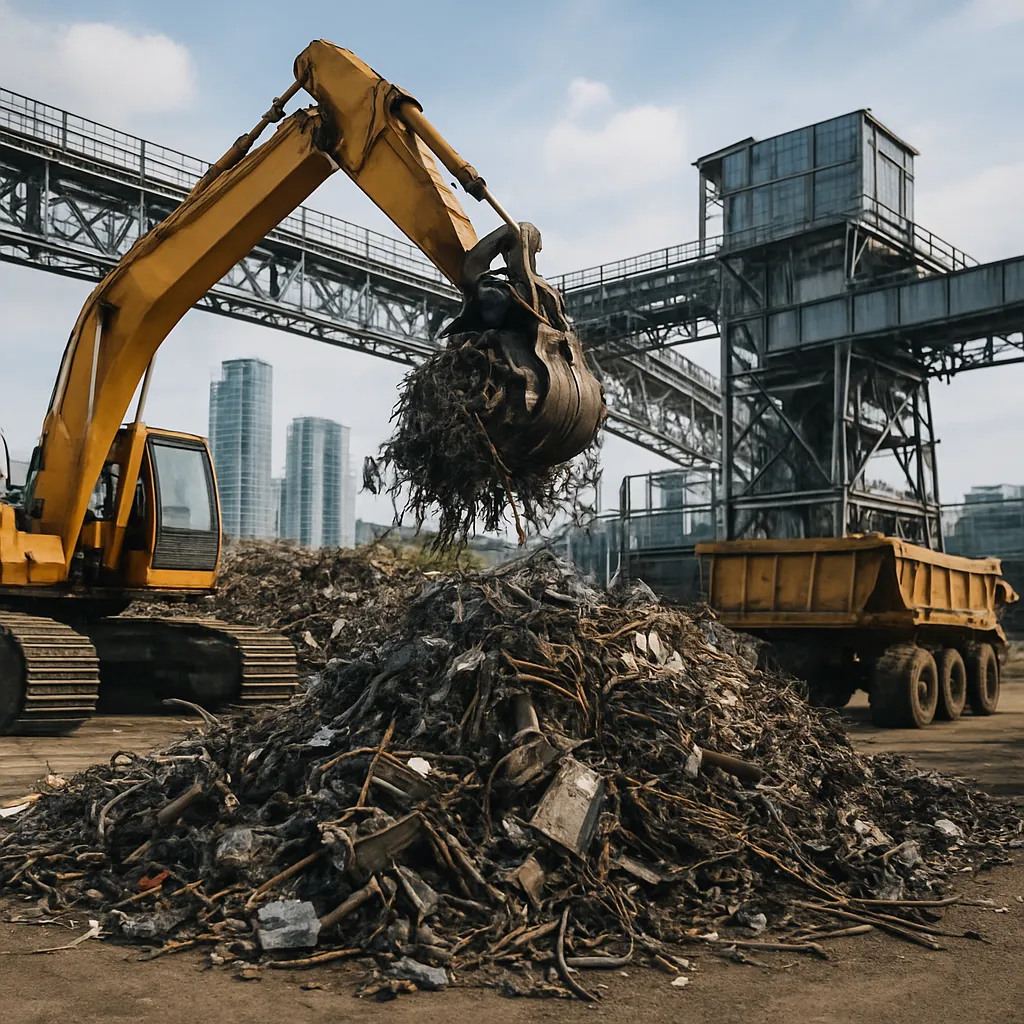
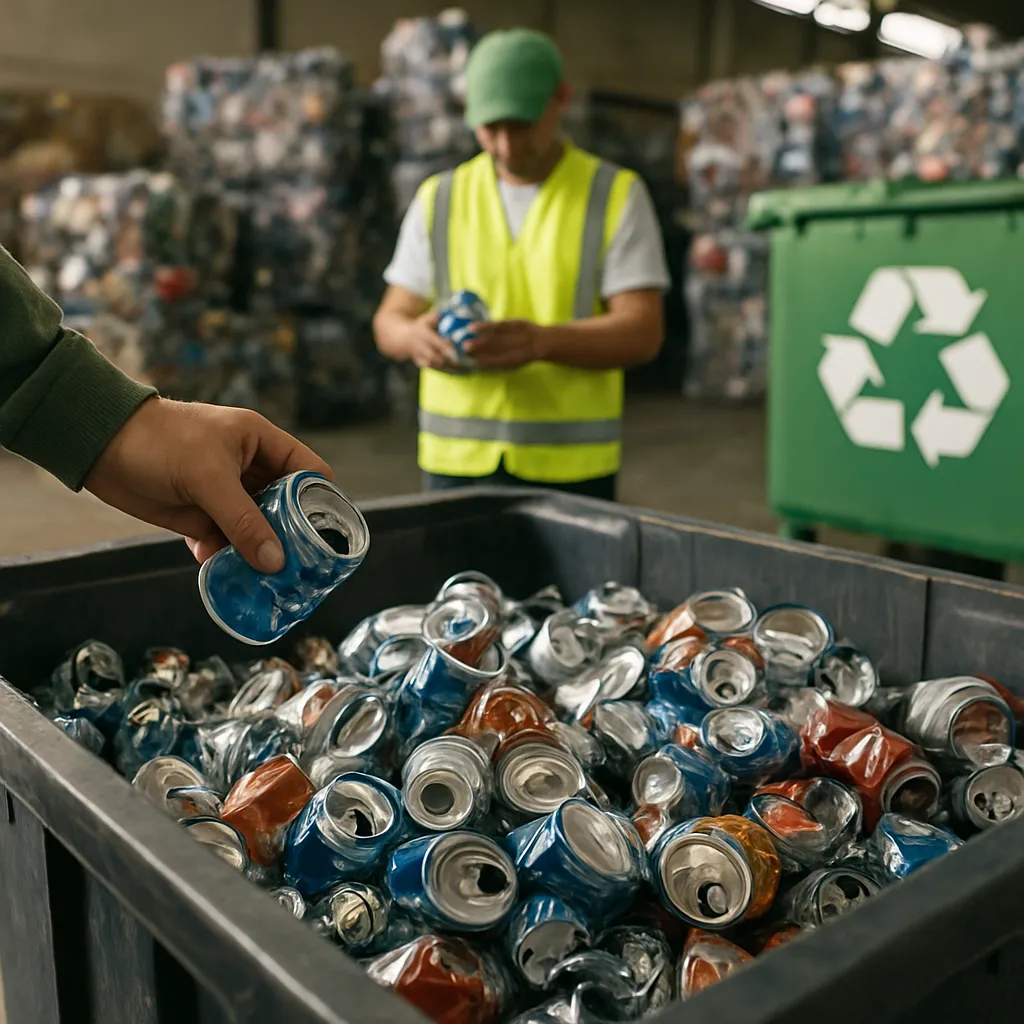
Beyond securing new sources, Japan is intensifying efforts to recover critical materials from end-of-life products. The shift towards a **sustainability** paradigm has sparked public–private programs aimed at maximizing resource **recycling** and minimizing waste.
Japan’s Domestic Recycling Framework
The government’s “Resource Circulation Vision” lays out targets for urban mining, focusing on discarded electronics and used batteries. Key measures include:
- Mandatory recycling quotas for manufacturers of electric vehicles and consumer electronics
- Subsidies for facilities that extract **rare earth** ions from spent magnets
- Collaborative R&D grants for universities and private firms developing closed-loop processes
This model reduces import dependency and fosters local **innovation** clusters that specialize in material recovery. By transforming waste into feedstock, Japan advances toward greater **resilience** in its mineral supply chain.
Strategic Alliances and Multilateral Cooperation
Recognizing that no country can tackle resource security alone, Japan has spearheaded several multilateral frameworks. These partnerships aim to harmonize regulations, share best practices, and coordinate emergency responses to supply disruptions.
Key International Platforms
- International Rare Metals Agency (IRMA): A forum co-founded by Japan, the EU, and Australia for data sharing and joint stockpiling strategies
- Supply Chain Resilience Initiative (SCRI): A trilateral pact with India and Australia to bolster critical material flows
- Asia-Pacific Circular Economy Partnership: Regional collaboration on recycling standards and waste-to-resource technologies
Through these channels, Tokyo reaches beyond bilateral deals, embedding its policies within a broader network that can collectively respond to export restrictions or market shocks.
Future Outlook and Emerging Challenges
Despite robust measures, Japan continues to face evolving hurdles. Global competition for new mining sites is fiercer, environmental concerns over extraction have intensified, and technological breakthroughs may shift demand toward alternative materials. To stay ahead, Tokyo is channeling funds into next-generation battery chemistries that reduce reliance on cobalt and nickel, as well as exploring deep-sea and asteroid mining concepts.
As the world transitions toward cleaner energy and smarter devices, Japan’s integrated strategy—melding **diversification**, domestic **recycling**, and international **geopolitics**—serves as a blueprint for resource-constrained nations. The interplay between public policy and private **innovation** will define how effectively Tokyo navigates the next phase of the critical materials race.