The growing demand for strategic minerals has thrust the realm of rare metals into the spotlight of national security discussions. Modern defense systems rely heavily on these elements for an array of critical roles, from advanced electronics to high-performance alloys. As global competition intensifies, understanding the nuances of supply, technological innovation, and geopolitical pressure becomes essential for decision makers and industry leaders alike.
Global Supply Dynamics and Market Structure
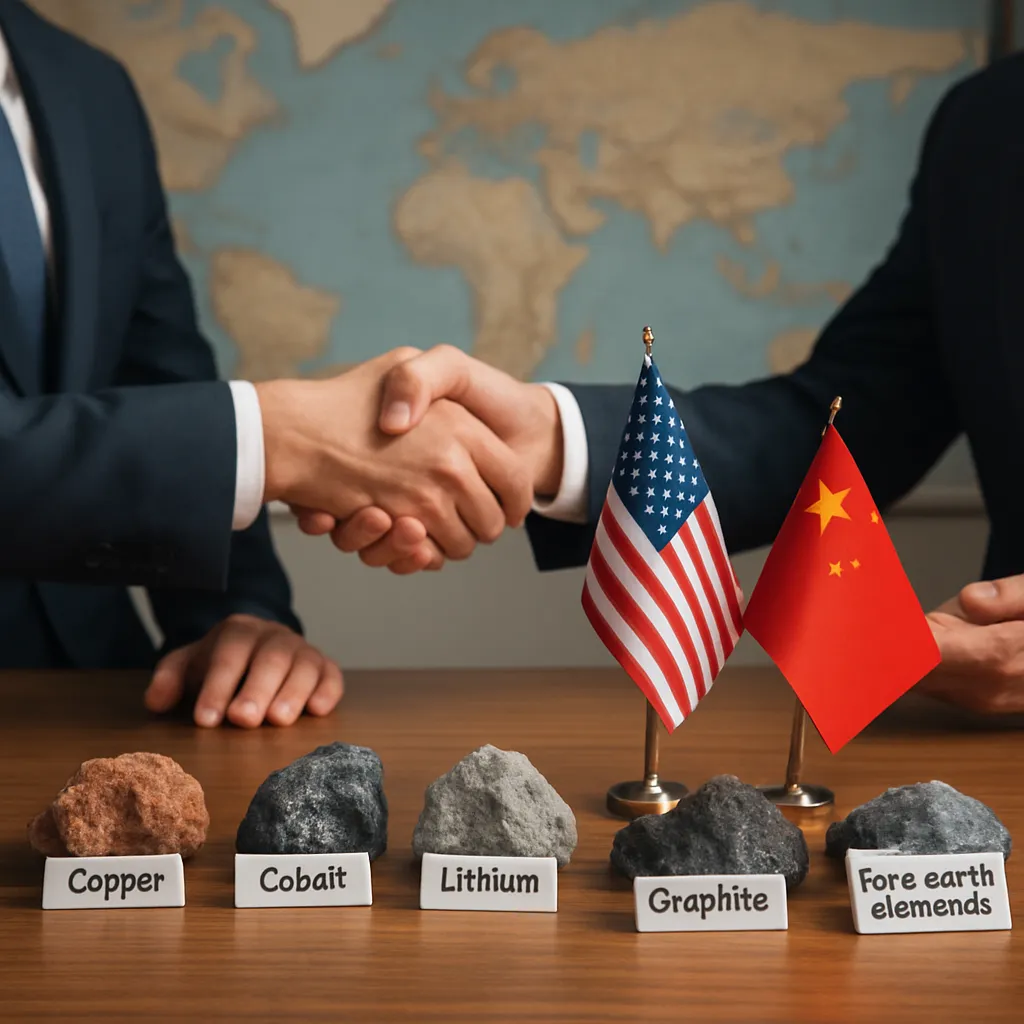
Securing a stable flow of critical raw materials is a formidable challenge. The majority of mining and processing operations for elements such as neodymium, dysprosium, and tantalum are concentrated in a handful of countries. This uneven distribution gives rise to vulnerabilities in the supply chain that can be exploited or disrupted by shifting trade policies and diplomatic tensions.
Dominant Producers
- China commands over 70% of rare earth oxide production, influencing pricing and export controls.
- Australia and the United States have ramped up exploration projects, yet processing infrastructure remains limited.
- A small number of African nations contribute significant percentages of coltan and other tantalum-bearing ores.
The processing stage is as crucial as mining itself. Without adequate facilities for separation, refining, and alloying, raw ore cannot meet the stringent purity requirements of modern weapons systems. This creates an incentive for countries to invest in domestic extraction and refining capabilities, but such endeavors demand substantial capital and environmental safeguards.
Applications in Defense Technologies
From guidance systems to electronic warfare, the defense sector has become increasingly dependent on high-performance materials. Integrating rare metals allows engineers to push the boundaries of speed, precision, and durability in combat vehicles, aircraft, and naval vessels.
Key Use Cases
- Permanent magnets incorporating neodymium and dysprosium generate powerful magnetic fields for electric motors in unmanned aerial vehicles (UAVs) and guided munitions.
- Gallium and indium are essential for high-frequency communication devices, enabling encrypted data transmission in contested environments.
- Tungsten and rhenium alloys deliver exceptional heat resistance in jet engine components, improving thrust-to-weight ratios and fuel efficiency.
- Platinum group metals serve as catalysts in on-board fuel cells, offering stealthy power generation without heat or noise signatures.
These applications underline the technological innovation that rare metals empower. Breakthroughs in materials science continue to unlock new performance levels, but they also amplify the need for secure access to these scarce resources.
Strategic and Geopolitical Considerations
In the context of global power competition, rare metals have become tools of statecraft. Export restrictions, stockpile management, and alliance-based procurement agreements all factor into a nation’s ability to sustain its defense-industrial base under stress.
Export Controls and Trade Policies
- Export quotas can influence global pricing, prompting importers to seek alternative suppliers or invest in recycling technologies.
- Sanctions on mining conglomerates in sanctioned states can ripple through international supply networks, leading to shortages and cost spikes.
- Multilateral frameworks—such as the WTO’s critical raw materials initiative—aim to stabilize markets but often fall short in crisis scenarios.
Alliances and strategic partnerships play a pivotal role. Joint ventures between allied nations can diversify supply sources, while research collaborations drive shared advancements in sustainability and processing efficiency. A resilient defense posture increasingly hinges on the trust and cooperation established among friendly states.
Environmental and Ethical Challenges
Mining for rare metals often occurs in ecologically sensitive regions, raising questions about habitat destruction, water contamination, and social impacts on local communities. Responsible sourcing must balance national security needs with corporate and governmental accountability.
Responsible Mining Practices
- Rigorous environmental impact assessments identify potential risks to soil and waterways before operations commence.
- Adoption of closed-loop water systems reduces waste discharge and preserves precious freshwater resources.
- Community engagement programs aim to ensure that indigenous populations receive fair compensation and cultural protections.
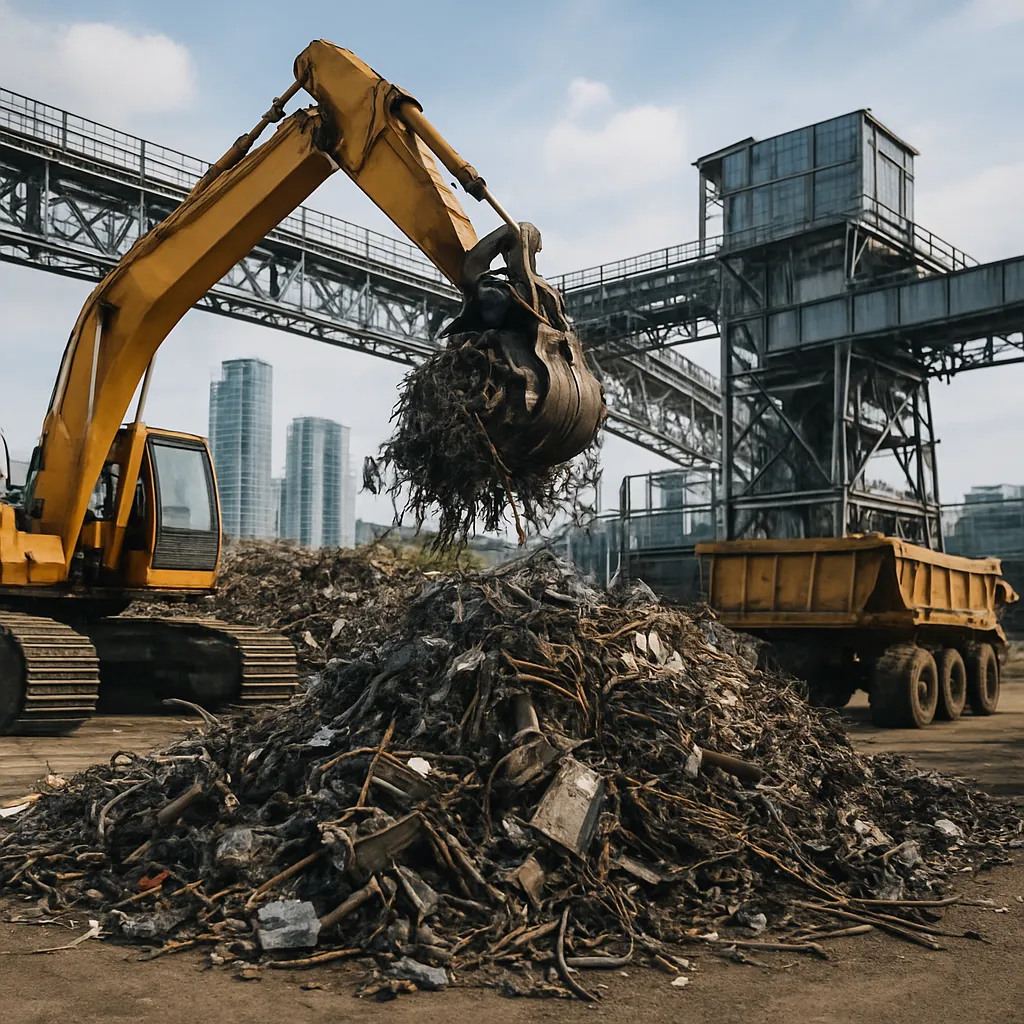
The push toward circular economy models emphasizes recycling of end-of-life electronics and defense hardware. Urban mining initiatives recover critical elements, mitigating reliance on virgin ore and reducing ecological footprints. Achieving true resilience in the supply chain will demand integrated efforts across extraction, processing, and reclamation industries.
Emerging Trends and Technological Frontiers
Advancements in computational materials science and additive manufacturing are reshaping how designers approach resource constraints. By leveraging high-throughput simulations and machine learning, researchers can predict novel alloy compositions that minimize rare metal content without sacrificing performance.
Alternative Materials and Substitution
- Research into iron-nitride-based magnets and high-entropy alloys seeks to reduce dependency on neodymium and dysprosium.
- Graphene and other two-dimensional materials show promise for next-generation sensors and communication components, potentially displacing scarce semiconductors.
- Bioleaching techniques employ microbes to extract metals from low-grade ores, offering a low-impact alternative to conventional smelting.
While these innovations hold great promise, transitioning from lab-scale prototypes to field-ready solutions requires sustained investment and cross-sector collaboration. The dual-use nature of many technologies ensures that breakthroughs in civilian sectors can bolster national defense capabilities.
Building Strategic Reserves and Policy Measures
To buffer against supply disruptions, several governments have established strategic reserves of rare metals. These stockpiles function as insurance policies, releasing critical materials into the market during emergencies or embargoes.
- Periodic audits and refresh cycles prevent degradation of stored materials.
- Public-private partnerships help maintain inventories while stimulating domestic processing ventures.
- Transparent reporting frameworks ensure that reserves align with projected defense and industrial consumption.
Prudent policy measures also encompass incentives for downstream manufacturers to invest in material substitution research, as well as grants for scaling pilot recycling facilities. By dovetailing economic, environmental, and security objectives, policymakers can foster a robust ecosystem that secures access to strategic resources for decades to come.