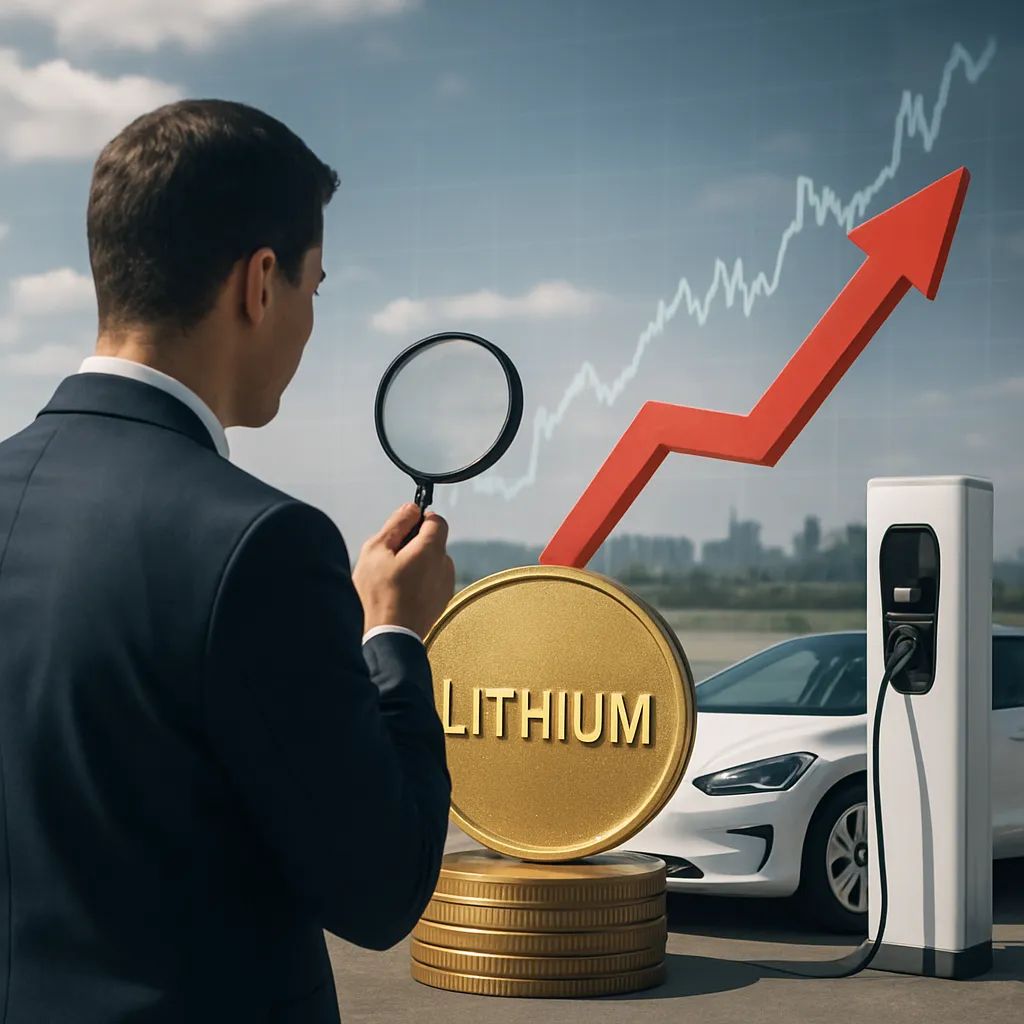
In recent years, the intersection of geopolitical tensions and the global market for rare metals has become a focal point for policymakers, investors, and industrial stakeholders alike. As demand for critical minerals surges—driven by technological innovation in sectors such as renewable energy, electronics, and defense—the vulnerability of complex supply chain networks is increasingly exposed. This article explores the spatial distribution of these materials, the mechanisms by which international disputes influence pricing, and the strategies that nations and corporations employ to mitigate price volatility and ensure market stability.
Global Distribution and Strategic Importance
Geographic Concentration of Supply
Rare metals—including cobalt, lithium, tantalum, and neodymium—are typically found in geographically limited regions. The Democratic Republic of Congo supplies over 60% of the world’s cobalt, while China controls more than 70% of the world’s rare earth elements processing capacity. This concentration leads to a situation in which a single nation’s policy changes, environmental regulation, or political unrest can ripple through global markets.
Industrial and Defense Applications
The strategic value of these materials cannot be overstated. Neodymium is essential for high-strength permanent magnets used in wind turbines and electric vehicles, while tantalum is crucial for capacitors in smartphones and military hardware. As countries race to build next-generation defense systems and green infrastructure, securing reliable access to these critical minerals becomes a matter of national security. Even minor disruptions in supply can translate into pronounced price spikes and production bottlenecks.
Impact of Geopolitical Tensions on Pricing
Export Controls and Trade Barriers
When major producers impose export controls or raise tariffs, global prices can surge precipitously. In 2010, China temporarily restricted exports of rare earth elements amid a maritime dispute with Japan, causing prices for several key metals to increase by more than 300% within months. Such measures serve dual purposes: they demonstrate a country’s leverage and encourage downstream industries to explore alternative sources or non-Chinese suppliers.
Case Study: China–US Rivalry
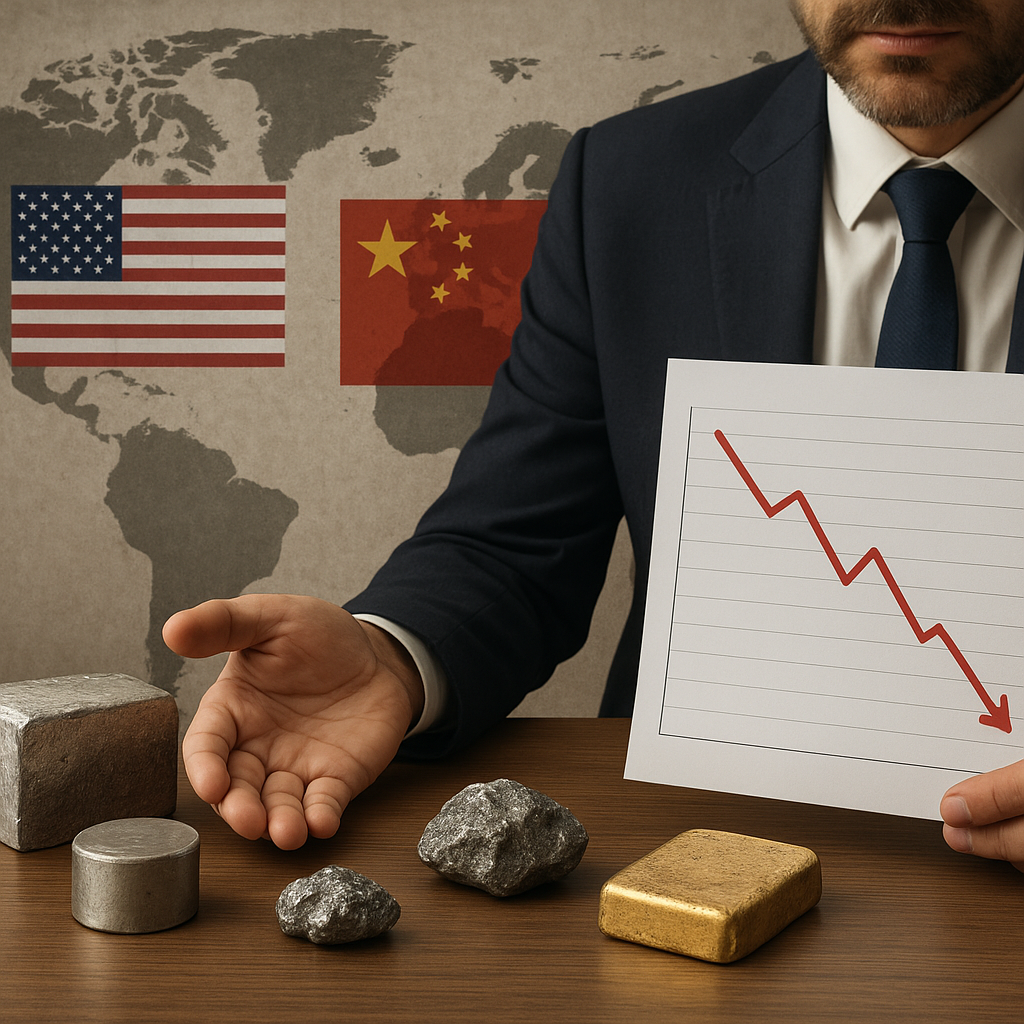
The intensifying trade tensions between the United States and China over the past decade have had profound effects on rare metal markets. In response to US tariffs, China threatened restrictions on rare earth exports, prompting American companies to seek domestic diversification through partnerships in Australia, Canada, and Greenland. The result has been a proliferation of exploration projects, but commercial-scale output remains years away from matching Chinese capacity. Consequently, spot prices remain sensitive to each diplomatic development.
Case Study: Russia–Ukraine Conflict
Russia is a leading producer of platinum group metals (PGMs) and a significant exporter of nickel. Following the 2022 invasion of Ukraine and subsequent Western sanctions, PGM and nickel prices experienced sharp increases as supply concerns mounted. With Western companies divesting from Russian operations and shipping constraints impeding exports, end-users faced higher input costs. This scenario underscored the broader principle that geopolitical flashpoints can instantly transform regional disputes into global pricing events.
Market Responses and Mitigation Strategies
Diversification of Supply Sources
In response to potential disruptions, many nations and firms are actively pursuing a strategy of geographical diversification. Key elements include:
- Investing in mining projects in underexplored regions of South America and Africa.
- Forming joint ventures between established companies in Australia and emerging players in Southeast Asia.
- Supporting domestic exploration programs in Europe and North America to reduce dependence on imports.
These initiatives aim to create a more resilient global network of production and reduce the influence of any single supplier.
Recycling and Circular Economy
Advancements in recycling technology offer another vital avenue for reducing exposure to supply shocks. Electronic waste reclamation facilities are being established worldwide to recover metals like cobalt and neodymium from discarded batteries and magnets. While current recycling rates remain low, improving efficiency could meaningfully lower overall demand for virgin materials over the coming decades, thereby dampening price volatility.
Strategic Reserves and Stockpiling
Certain governments have opted to build strategic reserves of rare metals, mirroring approaches taken in the oil markets. These state-controlled stockpiles can be deployed during acute shortages to stabilize prices. Japan, for instance, maintains stockpiles of rare earth elements to cushion domestic manufacturers against export disruptions. Similarly, the United States has expanded its National Defense Stockpile to include additional quantities of lithium and cobalt.
Technological Innovation and Substitution
Researchers and engineers are actively seeking substitutes for high-risk inputs. Examples include:
- Developing iron-based magnets that reduce reliance on neodymium.
- Formulating next-generation battery chemistries that minimize or eliminate cobalt content.
- Utilizing aluminum-lithium alloys to decrease dependence on critical metals in aerospace applications.
Innovations of this kind not only mitigate investment risk but also pave the way for more sustainable production practices.
Emerging Challenges and Opportunities
Environmental and Social Governance (ESG)
Heightened scrutiny over mining operations has elevated environmental and social governance standards. Local communities often protest against projects that threaten water resources or ecosystems, leading to delays and increased compliance costs. As a result, companies must navigate complex permitting processes and build robust community engagement plans to secure long-term access to deposits.
Digitalization and Market Transparency
Advances in digital supply chain tracking, such as blockchain-based provenance systems, are improving transparency. These tools allow buyers to verify the origin of materials and ensure adherence to ethical mining standards. Enhanced visibility can reduce the likelihood of abrupt supply disruptions by flagging potential risks early in the logistics pipeline.
Investment and Finance
Financial institutions are increasingly integrating geopolitical risk assessments into their lending decisions for mining projects. Loans and equity financing often include covenants tied to risk mitigation measures, such as securing off-take agreements or demonstrating concrete plans for community benefit. This approach helps align financial incentives with broader stability objectives.
Conclusion
The nexus between geopolitical tensions and rare metal prices underscores a fundamental reality: in a world of concentrated supply and surging demand, even localized disputes can generate global ripples. By pursuing strategic diversification, bolstering recycling efforts, and investing in technological substitutes, stakeholders can reduce exposure to acute price swings. At the same time, building strategic reserves and bolstering digital transparency help create more resilient markets. As nations and companies continue to adapt, the evolution of policy frameworks and industrial practices will shape the future dynamics of these indispensable resources.